Clause 01 · Scope
What a Dropshipping Agent Owns and What Stays With You
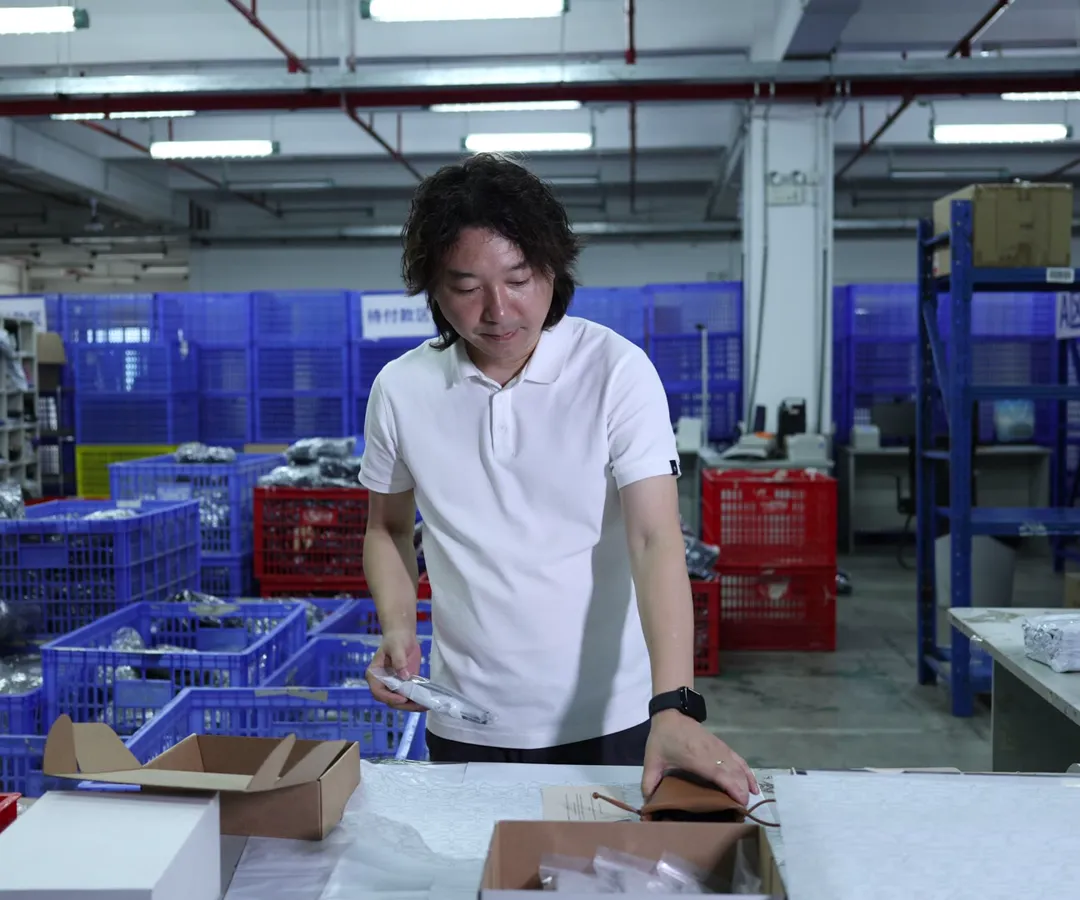
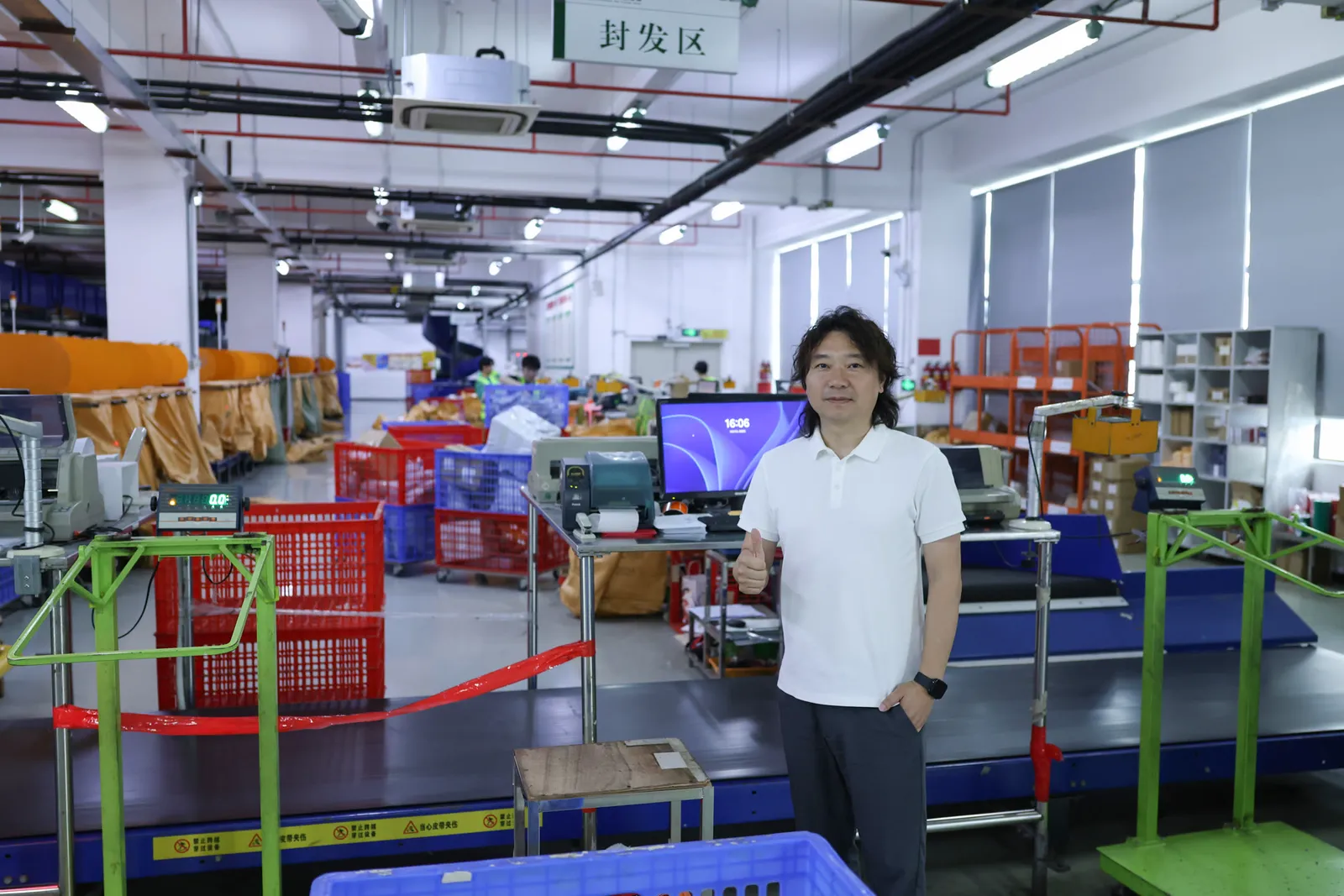
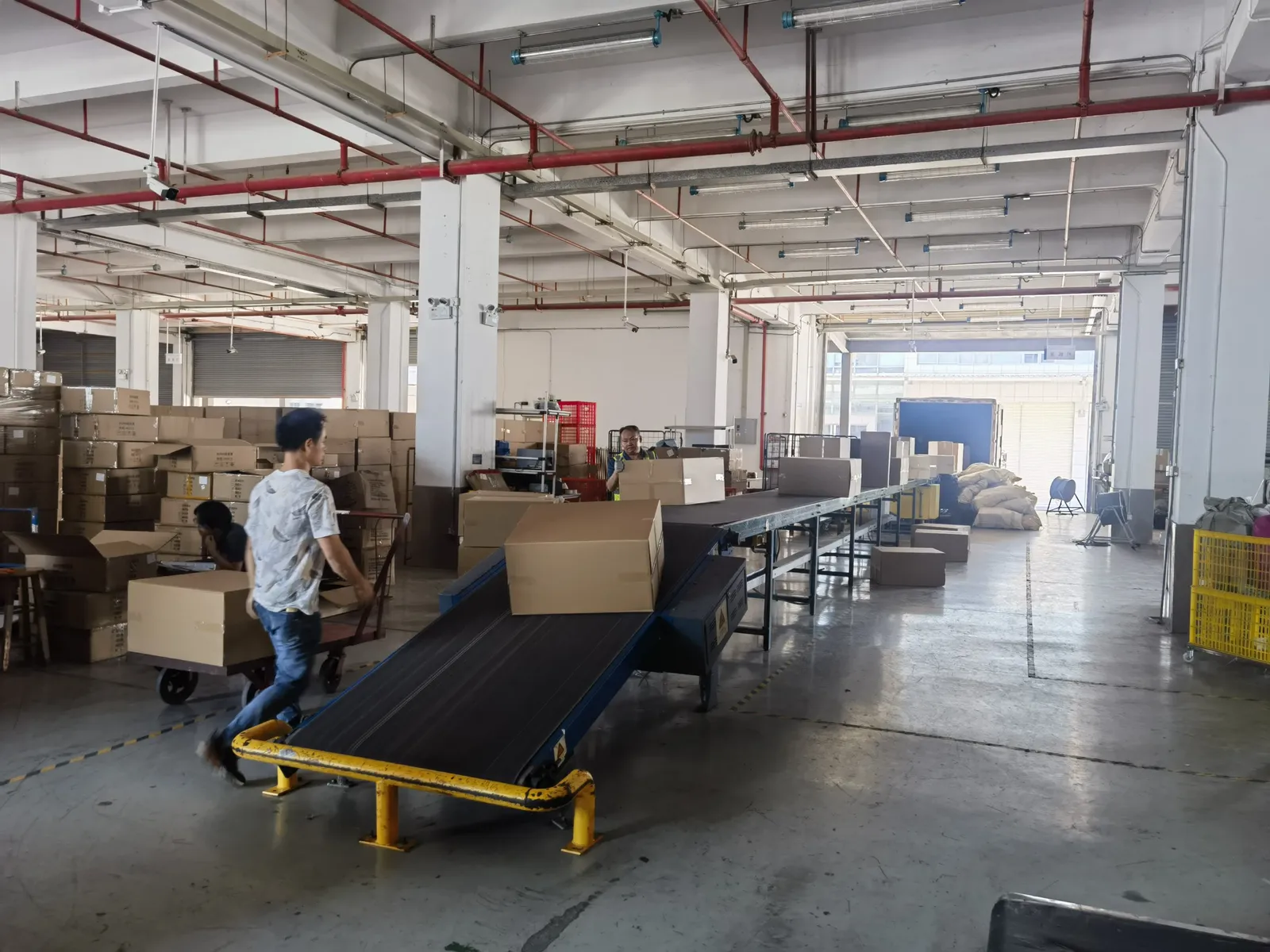
An agent is a coordination layer between your store and its suppliers: supplier search, purchase follow-up, receiving, checks, storage, pick and pack, packaging, dispatch, tracking and exceptions. Which tasks you buy, and at what depth, is set by the written scope, not by the word on a website.
Four things do not move unless written down: product decisions and claims, channel policy, importer and compliance duties, and your checkout promise. Responsibility is allocated in writing or stays with you. Supplier identity still needs its own supplier verification path.
Clause 02 · Fit compass
The Fit Compass: Platform, Direct Supplier or Private Agent
None of the three routes is automatically the upgrade. Read each row against your catalog, then mark the cells you cannot evidence today.
| Decision input | Supplier platform | Direct supplier | Private agent | Settling evidence |
|---|---|---|---|---|
| Catalog complexity | Few standard variants | One factory's category | Many suppliers, bundles | Live SKU list |
| Customisation | Standard packing, inserts | What that factory prints | Materials, versions if contracted | Packaging spec owner |
| Quality control | Self-check to paid inspection | Supplier checks itself | SKU-level checks if scoped | Defect classes, disposition |
| Inventory | Per order, little holding | Held on factory terms | Held stock, named reconciler | Exportable stock ledger |
| Integration | Standard app or connector | Files and messages | App, ERP or written procedure | Test-order event log |
| Exception ownership | Ticket queue under policy | One relationship decides | Named owner if cutoffs exist | Escalation and closure record |
A private dropshipping agent is worth considering when several rows need one owner; where rows are covered, another party adds a handoff, not control. Three constraint sets, one compass:
- Single market, standard catalog. Few variants, no custom materials. Points at staying put until exceptions repeat.
- Branded multi-supplier catalog. Bundles, inserts, label versions. Points at whoever counts packaging versions as inventory.
- Fragile or paperwork-heavy items. Protective packing, destination documents, peaks. Points at whichever route shows route-specific evidence.
Clause 03 · Overhead test
When an Agent Adds Coordination Instead of Control
Every handoff needs a cutoff, an owner and a record. An agent earns that overhead only when it removes more coordination than it creates.
- If specifications live in chat, then an agent inherits the ambiguity, because nobody enforces an unwritten standard.
- If your route already evidences receiving, checks, inventory and exceptions, then a second layer adds latency, because you pay to relay decisions you control.
- If you cannot describe the failure to remove, then no route can be measured, because selection needs a baseline first.
- If volume sits in one fragile relationship, then a second source, not a coordinator, is the fix.
Want the ASG team to check this step for your store?
Clause 04 · Scorebook
The Ten-Point Vetting Scorebook
Treat this as a dropshipping agent checklist completed with documents, not impressions: a question, evidence, a pass condition, a flag and an owner.
| Question to ask | Evidence requested | Pass condition | Red flag | Owner |
|---|---|---|---|---|
| 1 Who signs the contract? | Agreement with entity, scope | Entity and signatory agree | Scope stays verbal | Buyer |
| 2 Where is the work done? | Walkthrough tied to your order | Areas match the claim | Only promotional footage | Buyer |
| 3 Who approves supplier changes? | Change rule with approver | You approve before production | Substitution arrives unannounced | Agent |
| 4 What is checked per SKU? | Checklist with defect classes | Criteria and disposition written | One generic quality line | Agent |
| 5 How is stock recorded? | Inventory ledger extract | Counts reconcile and export | Stock lives in messages | Agent |
| 6 How do orders map? | Test-order log, timestamps | One order in, fields intact | Re-entry or duplicates | Both |
| 7 Who owns packaging materials? | Material list, version rule | Versions separated and counted | Silent substitution | Agent |
| 8 What happens when it breaks? | Cutoffs, escalation, closure rule | Named owner closes with evidence | Response depends who answers | Both |
| 9 Which records do you get? | Sample set, retention period | Routine and exportable | Evidence follows complaints | Agent |
| 10 How does it end? | Exit terms for data, stock | Return and export routes written | Exit treated as unlikely | Buyer |
A line is unscored until evidence arrives. Nine strong lines and one unscored line is not a pass; it is one exposure needing an owner.
Can demonstrate: one walkthrough reconciled against a specific order. Cannot prove: that every order is handled that way.
Clause 05 · Claim ledger
The Claim-to-Proof Ledger
A claim is what a provider says it does. Proof is the record you read afterwards. Uncertainty remains even with a good record.
| Claim area | Typical claim | Evidence that would support it | What stays uncertain |
|---|---|---|---|
| Sourcing | Better suppliers | Brief, options, sample against spec | Whether the quoted factory produces |
| Quality control | Everything is inspected | Checklist, result, photos, disposition | Defects outside the sampled scope |
| Warehousing | We handle your goods | Receiving note, storage label | Who else moves that stock |
| Inventory | Stock is accurate | Ledger with movements, adjustments | Counts between reconciliations |
| Tracking | Full visibility | Events from label to first scan | Carrier behaviour after handoff |
| Packaging | Custom packaging | Approved sample, version list | Version mixing during a change |
| Refunds and rework | We fix problems | Liability terms, worked examples | Who pays when fault is shared |
| Integration | We connect to your store | Field mapping, error handling | Behaviour under bulk orders |
| Communication | Fast replies | Cutoffs, owners, escalation path | Whether a reply carries authority |
| Exception closure | Issues get resolved | Cause, action, evidence, closure | Whether the fix survives |
Inspection depth is the row most often assumed. Decide it against written quality control criteria per SKU, and check that failed units have a disposition rule.
Can demonstrate: written criteria and a recorded disposition for failed units. Cannot prove: batch consistency or future defect rates.
Clause 06 · Quote normalization
The Normalized Quote Sheet
Headline price is not proof of the cheapest operation. Rebuild every quote on identical scope lines and record each exclusion.
| Scope field | What must be stated | Exclusion to ask about |
|---|---|---|
| Unit price basis | Specification, quantity, validity | Tooling, samples, artwork |
| Order handling | What one order includes | Multi-item orders, kitting |
| Quality control | Depth, sample basis, inspector | Re-inspection after failure |
| Packaging materials | Ownership, minimum, storage | Obsolete stock after a change |
| Storage | Unit, free period, billing start | Slow-moving stock |
| Exceptions and rework | Included cases, who pays | Address changes, reshipment |
| Shipping assumptions | Route, weight basis, surcharges | Remote areas, peak, oversize |
| Billing trigger | When the charge is raised | Adjustments, credits, disputes |
Rank the sheet by how much each provider will put in writing, not by the total: a quote missing rework, storage or exception terms describes another operation. Align route assumptions with your shipping optimization constraints first.
Can demonstrate: quotes rebuilt on identical scope lines with exclusions listed. Cannot prove: that any provider is cheaper in operation.
Want the ASG team to check this step for your store?
Clause 07 · Custody trace
The Warehouse-to-Order Trace
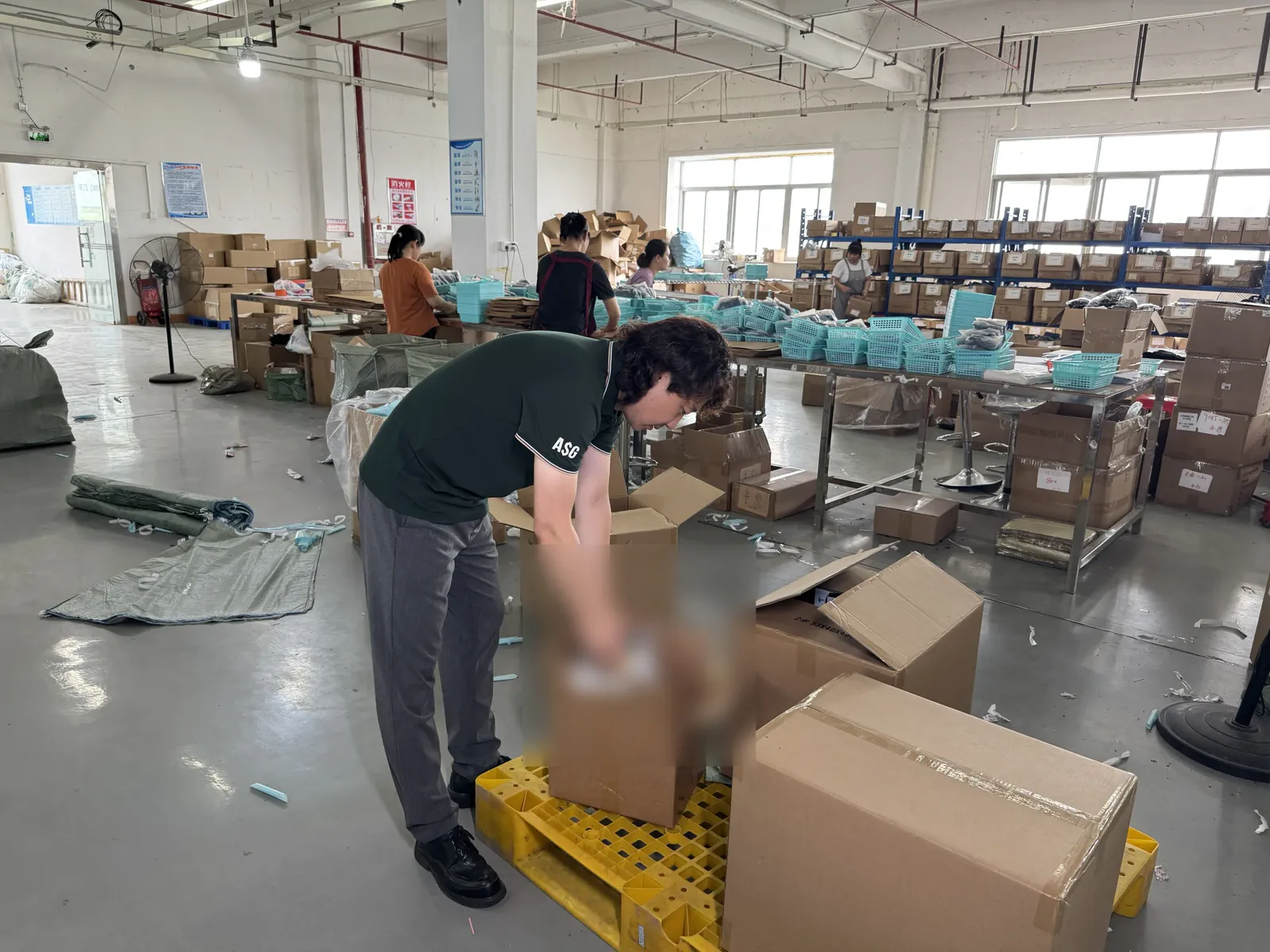
Control is visible where custody changes hands. Trace one order from intake to closure, asking who holds the goods and what record proves it.
| Stage | Physical custody | Record that proves it | Where the trace breaks |
|---|---|---|---|
| Intake and putaway | Goods arrive, are stored | Receiving note, location label | Stored but never entered |
| Order receipt | Nothing moves yet | Order log with ID, mapping | The order is retyped |
| Pick and pack | Operator holds the items | Pick record, count, photo | Staff work from memory |
| Quality evidence | Unit held before release | Checklist result linked to order | Photos match no order |
| Carrier handoff | Carrier takes custody | Manifest or acceptance scan | Label made, never accepted |
| Tracking events | Parcel is in the network | Event history from first scan | A number, no movement |
| Exception closure | Depends on the case | Owner, action, evidence, date | Closed on verbal assurance |
A walkthrough, a dashboard screenshot and a quotation are separate items; none closes the trace. Where it meets storage and dispatch, read it against your order fulfillment requirements.
Can demonstrate: one order traced through mapping, stock movement, dispatch and tracking. Cannot prove: delivery outcomes or that orders trace alike.
Clause 08 · Pilot board
Design a Controlled Pilot, Not a Trial Order
A pilot tests a defined cohort against criteria written beforehand, on a frozen specification. Size it by coverage — each product type, route, integration path and exception you will run — not by a borrowed order count.
| Pilot element | How to define it | Evidence to file | Stop condition |
|---|---|---|---|
| Representative cohort | Product types, routes, order shapes | Cohort list with reasons | It skips a workflow you need |
| Baseline | Current performance, same lines | Your pre-pilot records | Nothing to compare against |
| Evidence set | Which record proves each stage | Named record and owner | A stage produces no record |
| Exception tests | Address change, shortage, failure | Timestamped case files | A customer finds it first |
| Rollback route | How an order returns | Written trigger and caller | Fallback removed early |
| Decision point | Who decides, when, on what | Dated decision record | The review slides |
Read the result as one of three states, with the evidence behind it.
- GO — critical controls passed and corrections retested. Approve one further cohort; a pass unlocks the next step, not unlimited volume.
- HOLD — coverage incomplete or a correction unverified. Keep the current route and rerun the failed scenario on a dated review.
- NO-GO — wrong-order risk, uncontrolled inventory or unproducible evidence. Stop the migration and reopen the compass.
Can demonstrate: one pilot judged against pre-written pass conditions. Cannot prove: performance at larger volume or an uninterrupted switch.
 Mohammed Salim
 James A. Blackwood
 Ethan Santos