
CJDropshipping Alternative: Should You Stay, Pilot, or Switch?
Searching for a CJDropshipping alternative? The useful question is which operating model your store needs, not which provider is better. The answer usually lands on one of four moves: stay, split, pilot, or switch.
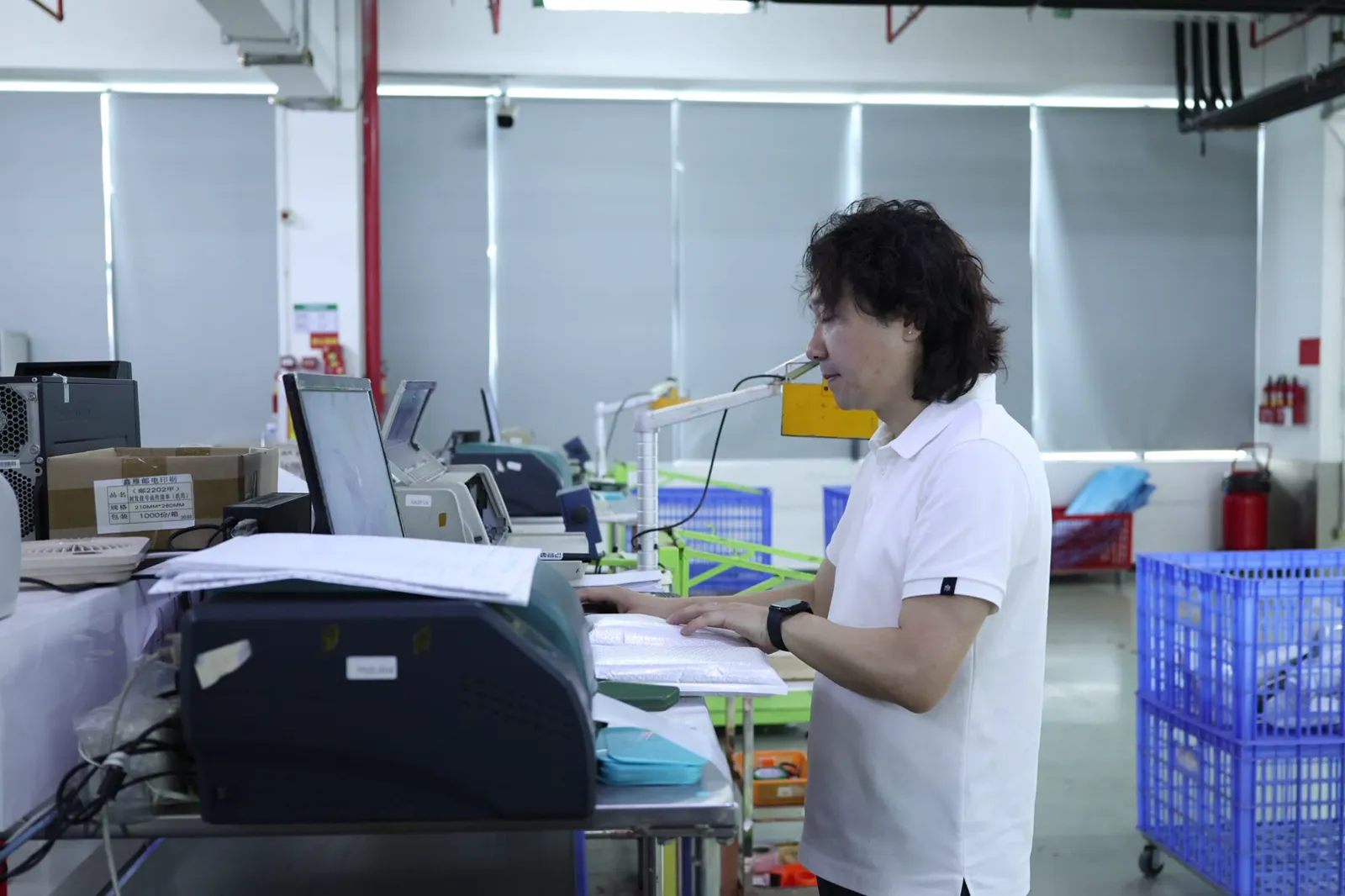
ASG sourcing context; not CJDropshipping evidence.
01–11
?
01 · Name the gap
Start With the Gap, Not the Provider
Before comparing anyone, write one sentence describing what your setup lacks. “Shipping feels slow” is not usable. “Three of my top five SKUs had returns for the same defect last month, and I have no inspection record to show the supplier” is testable—and it guards against repeating the same gap under a new provider.
02 · The incumbent’s own scope
What CJDropshipping’s Official Pages Describe
CJDropshipping’s official pages describe product sourcing, order fulfillment, warehousing including private inventory, print-on-demand, custom packaging, quality checking and third-party logistics, with fee categories and shipping terms set by agreement—so what you actually get depends on your agreement.
The structural differences: who selects your supplier, who owns your stock, what you can get in writing, and what a change costs.
03 · Four operating models
The Four Operating Models You Are Choosing Between
Platform model.
You contract with a platform that mediates supplier relationships and runs a fast, standardized order flow. It may also hold private inventory or act as your logistics provider.
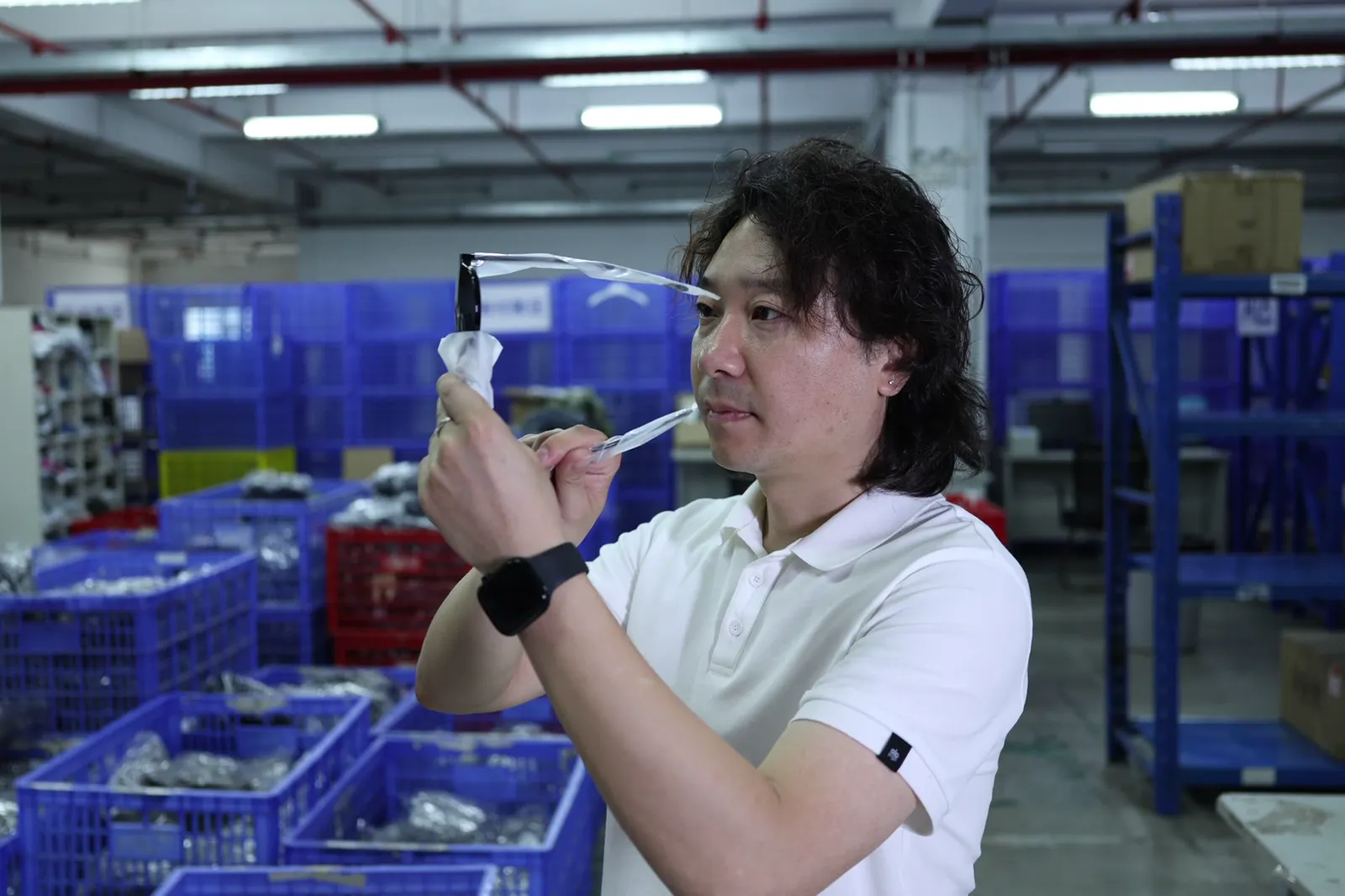
ASG fulfillment context; not CJDropshipping evidence.
Private agent model.
A named China-side team sources against your spec and coordinates purchasing, inspection and shipping. Scope is negotiated—verify it in writing.
Direct supplier or factory.
You buy from the manufacturer. A lower unit price is not a lower landed cost: you take on MOQ, prepaid stock and freight.
3PL or overseas warehouse.
You pre-position inventory near the customer. The final leg can be shorter, but it still depends on inbound replenishment: if a SKU runs out locally, delivery slows. You also carry inventory capital and slow-moving stock risk.
These are not ranked or mutually exclusive—hybrid setups are common.
04 · Scope verification
Compare on Control, Cost, Evidence and Migration Risk
Treat the table as scope-verification questions: answers depend on your account and agreement.
Four operating models compared on control, cost, evidence and migration risk
Dimension
Platform account
Private agent
Direct supplier
3PL / overseas warehouse
Supplier selection
Catalogue-mediated, or a named supplier?
Approved against a spec, or agent-decided?
You choose the factory
You supply the goods
Inventory ownership
Held until dispatch, or private inventory bought? Check your account
Title passage set by agreement, not by label
Yours from the factory gate
Yours; you pay to store it
Evidence you can request
Order, inspection, packing, dispute history — ask for a redacted sample
Which records, what format, what time?
Whatever you specify and pay to inspect
Receiving and outbound records, not sourcing
How cost is quoted
Every fee category on your account, not the listed price alone
Component quote, and what triggers a re-quote
Ex-works, plus freight, duties, inspection, financing
Storage, handling, pick-pack, inbound freight
Exception handling
Tickets, dispute workflow, named contact, or a mix?
Response scope in writing; who bears a reship or refund?
Direct to the supplier, subject to your leverage
Warehouse-side only; sourcing issues stay yours
Change effort and fit
Low within one account, higher if moving owned stock
Spec and pilot work up front; scope-dependent
MOQ and freight setup; volume- and cash-dependent
Inventory commitment; demand-dependent
Use it to name what you are buying: a warehouse will not supply inspection evidence, and changing your sourcing model won’t fix delivery time in one country.
Want the ASG team to check this step for your store?
You cannot compare what you have not measured: assemble two records first.
The first is your product and order baseline: every SKU and variant, mapped to what your platform has fulfilled.
Record to request · 01
Current-platform SKU, variant and order export
Helps verify which variants your platform has actually fulfilled.
The second is your stock position: what exists, where it sits, who owns it, and what is committed to unshipped orders—the record most sellers skip.
Record to request · 02
Inventory ownership, location and status reconciliation
Helps verify who owns each unit and what is committed to unshipped orders.
With both in hand you can tell whether the issue is sourcing, inspection, packing or transit—and whether the fix sits in supplier sourcing and purchasing or downstream.
06 · One worksheet
Rebuild the Cost Comparison So It Is Comparable
Two quotes are rarely for the same scope.
Put both on one worksheet with the same rows: goods cost, handling, inspection, packaging, freight, duties, storage, and expected returns. Compare totals, not unit prices.
Record to request · 03
Side-by-side quote scope and landed-cost worksheet
Helps verify that two quotes cover the same scope before you compare totals.
07 · Decision matrix
Decision Matrix: Stay, Split, Pilot, or Switch
Your situation and the recommended action
Your situation
Recommended action
Still testing products; volume low and unstable
Stay — migration cost exceeds the benefit
One SKU has a recurring quality or packaging problem; the rest are fine
Split — move that SKU only
Your current provider offers a service that would close the gap, but it is not enabled or priced on your account
Ask first — cheaper than changing providers
Two or more proven SKUs have documented issues needing supplier-level control
Pilot before committing
The pilot met your criteria across several order cycles, and the gap is structural
Switch SKU by SKU, by revenue contribution
Delivery time in one market is the problem and your SKUs are stable
Consider a warehouse arrangement instead
You cannot state your gap in a testable sentence
Do not move yet — diagnose first
Want the ASG team to check this step for your store?
A pilot exists to produce evidence: keep current fulfillment running at full volume.
1Step one
Approve samples. Order samples of one to three core SKUs against a written specification, and record what was checked—dimensions, materials, finish, acceptance and reason. This baseline tests whether pre-shipment quality control exists in writing.
2Step two
Run real orders in parallel. Route a small share of live orders through the new setup while the incumbent handles the rest, tracking time, delivery and every exception.
3Step three
Decide against written criteria. Set pass conditions before the pilot starts; if it does not clearly pass, extend or stop.
Record to request · 04
Sample QC, packaging and acceptance record
Helps verify what was checked against the written specification.
Record to request · 05
Parallel-pilot order tracking and exception log
Helps verify how exceptions were handled, not only successful orders.
09 · Cutover and rollback
Plan the Cutover and the Rollback Together
Cutover
If the pilot passes, migrate in stages: move highest-volume SKUs first, hold the long tail until stable across a replenishment cycle.
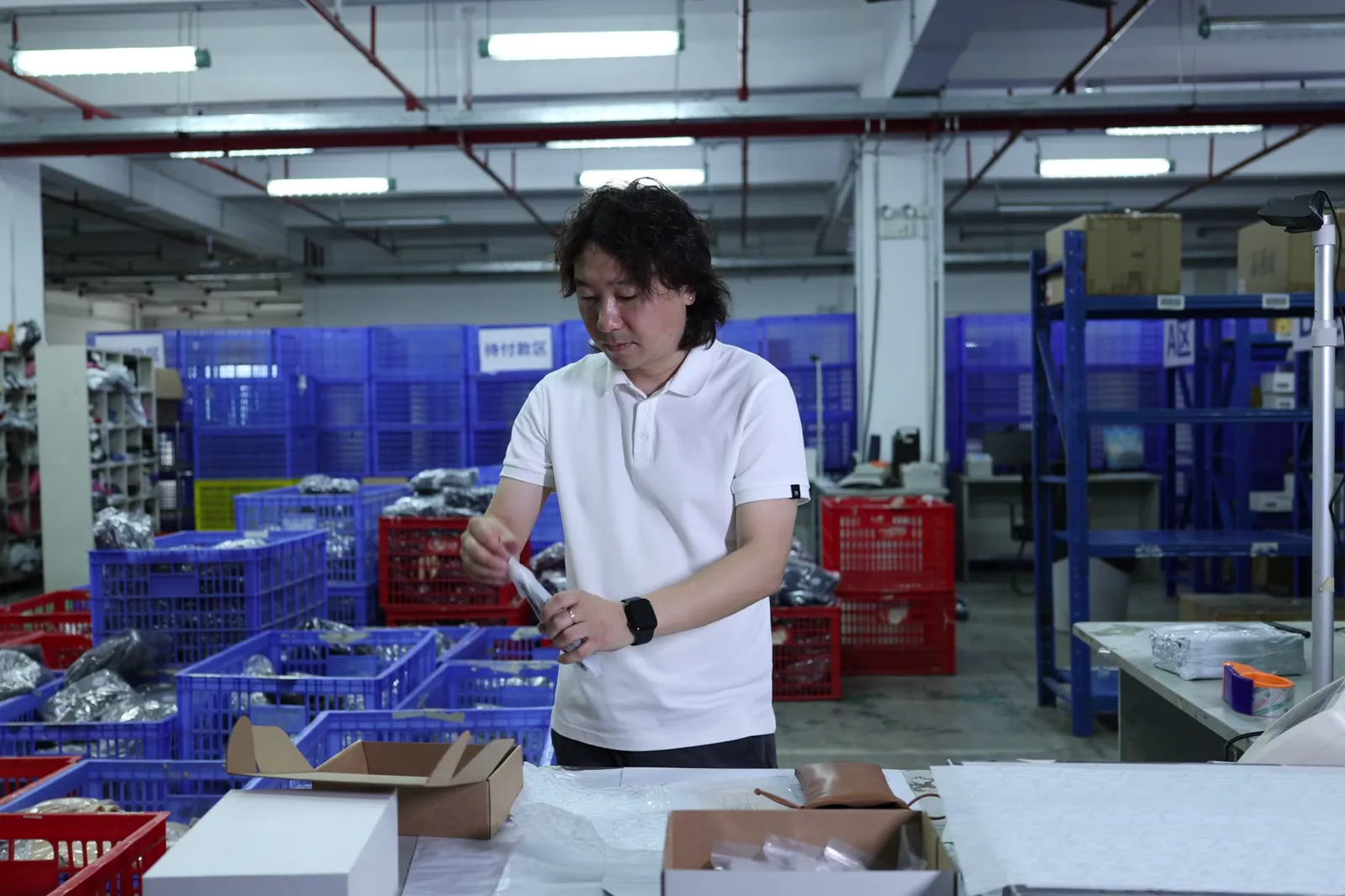
ASG warehouse context; not CJDropshipping evidence.
Before the first SKU moves, agree how open orders are handled—who ships what’s placed, and how stock and tracking stay accurate. This is where order fulfillment handoffs break; fix it with a reconciliation record.
Rollback
Define the rollback too: name the conditions that send you back — a defect pattern above threshold, a processing-time miss, an unresolved exception.
Record to request · 06
Cutover, rollback and open-order reconciliation
Helps verify who ships open orders and how stock stays accurate.
Want the ASG team to check this step for your store?
Switching is often the wrong move. Stay if you are still validating products, your volume suits a standardized workflow, the problem sits outside your supply chain, the service you need already exists on your account, or you cannot yet supply the records above.
Explore ASG
Services and Guides Before You Switch
Each card opens an existing ASG page: the services behind each operating model, and the guides for testing them.
“Excellent dropshipping agent Stenfan. Last year, I worked with Lucy to find resources and products. ASG is always reliable and their products are of high quality.”
Mohammed Salim
“Through ASG, I found new suppliers. Their service was perfect, providing top-notch brand customization and global logistics coverage.”
James A. Blackwood
“High quality products and prompt service. ASG’s production follow-up helped solve quality problems and saved us time.”
Robert F. Underwood
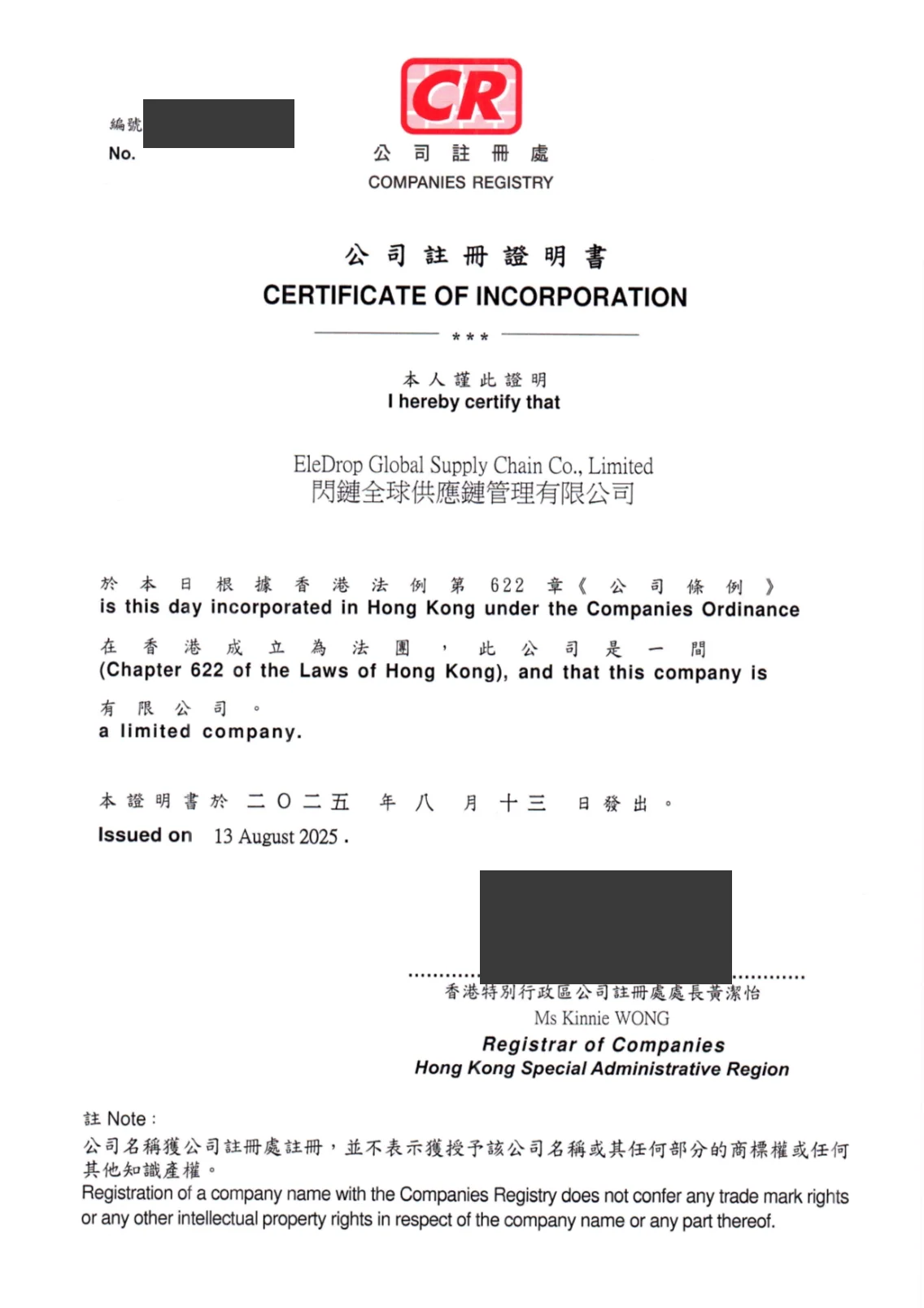
Certificate of IncorporationEleDrop Global Supply Chain Co., Limited · Hong Kong · issued Aug 2025 · some details masked
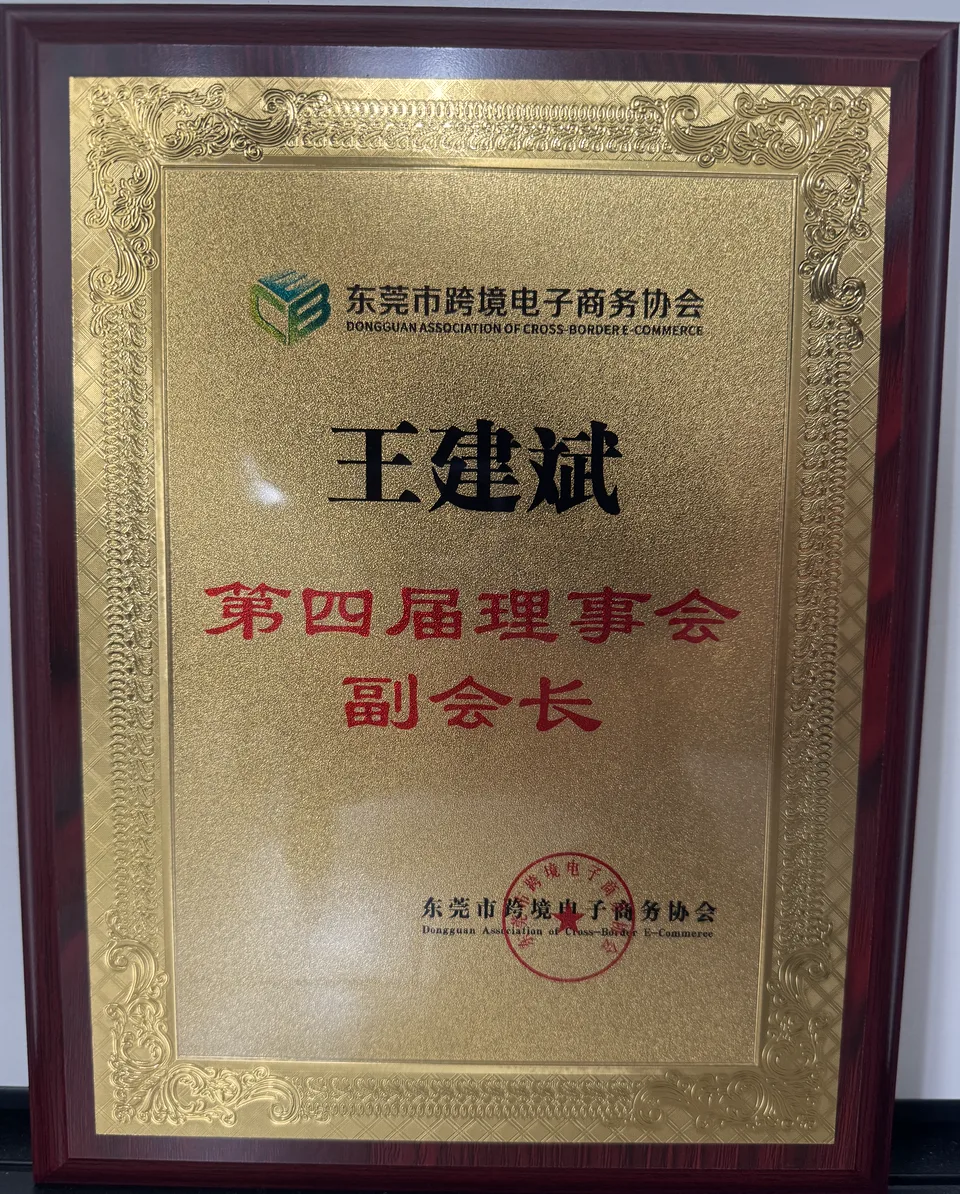
Vice President, 4th CouncilDongguan Association of Cross-Border E-Commerce
Industry MentorBusiness School, Dongguan City University
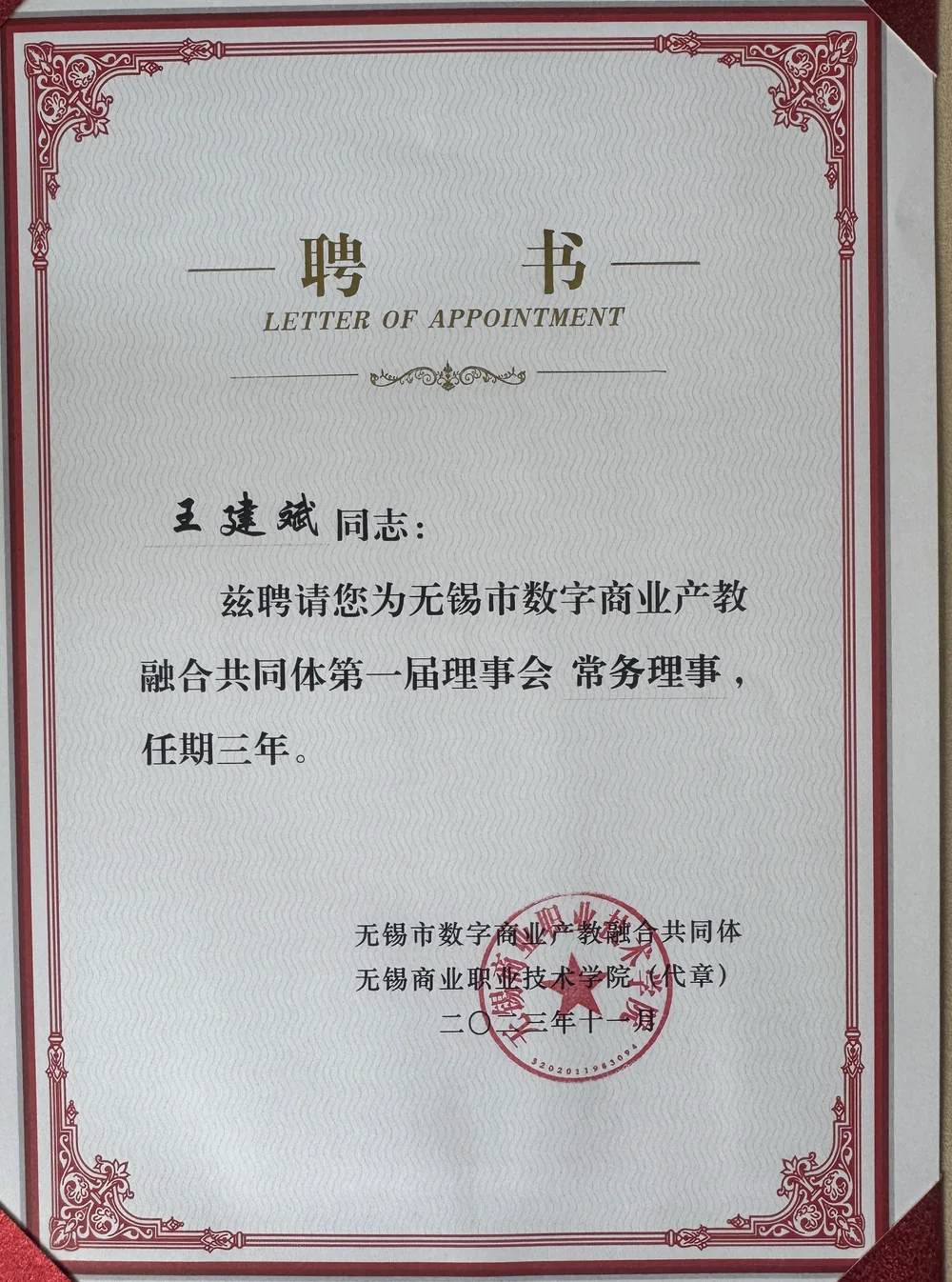
Executive Director, 1st CouncilWuxi Digital Commerce Industry–Education Integration Community
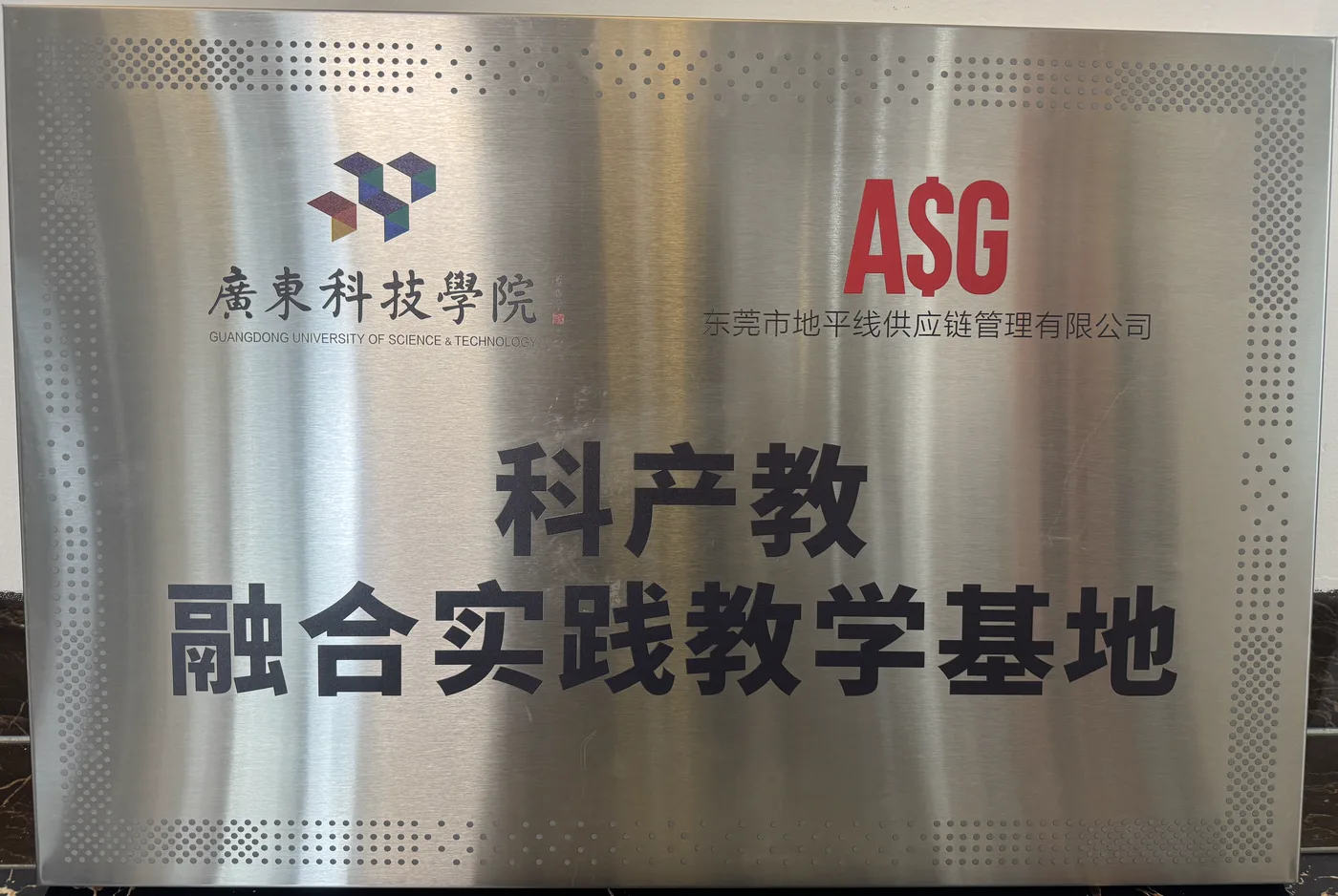
Industry–Education Practice BaseGuangdong University of Science & Technology
Want the ASG team to check this step for your store?
No single best one: the four models — platform, private agent, direct supplier, 3PL — solve different problems. Identify the missing control, then pick the arrangement that supplies it in writing: a dropshipping fulfillment partner for supplier-level control, a warehouse for delivery issues.
Should I switch all my SKUs at once?+
No—move one to three core SKUs first, confirm results over several cycles, then expand by revenue. A full switch removes your ability to compare.
How long should a pilot run?+
Long enough to cover a full replenishment cycle and enough orders to see exceptions, not only successful ones.
What evidence should I ask for before committing?+
A written spec and sample acceptance record, batch-tied inspection records, and a documented exception with its resolution—redacted real records, not marketing images.
Is a private agent always cheaper than a platform?+
No. Quotes vary by scope; the honest comparison is total landed cost, including returns and support time.
Can I use two providers at the same time?+
Yes—many stores deliberately split by SKU. It costs overhead but gives you a fallback.
12 · Next step
Next Step
For a second opinion on which arrangement fits your stage, bring your SKU list, order data and the gap you wrote down.
We use optional analytics to understand which pages and whitepapers are useful. Analytics stays off unless you accept. We never send form answers, names, email addresses, phone numbers, or messages to analytics. Privacy policy.