

What a China Fulfillment Center Is — and Is Not
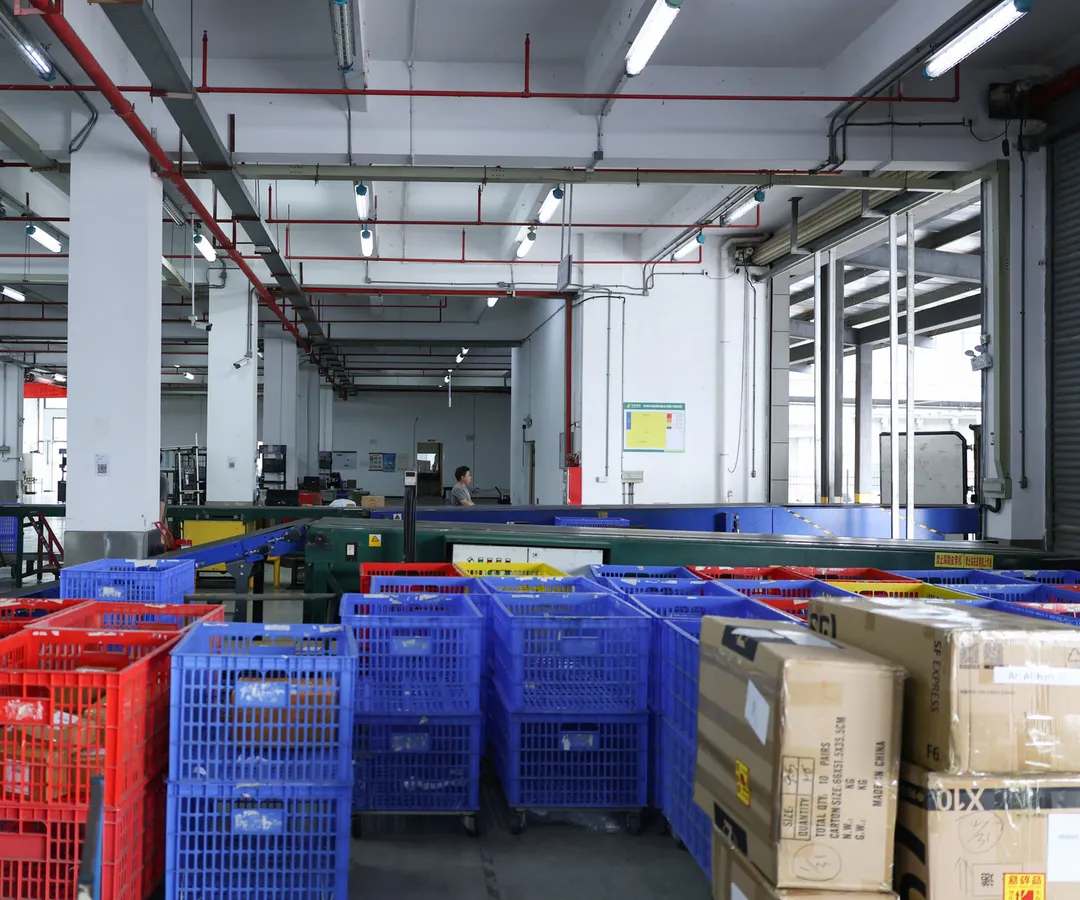
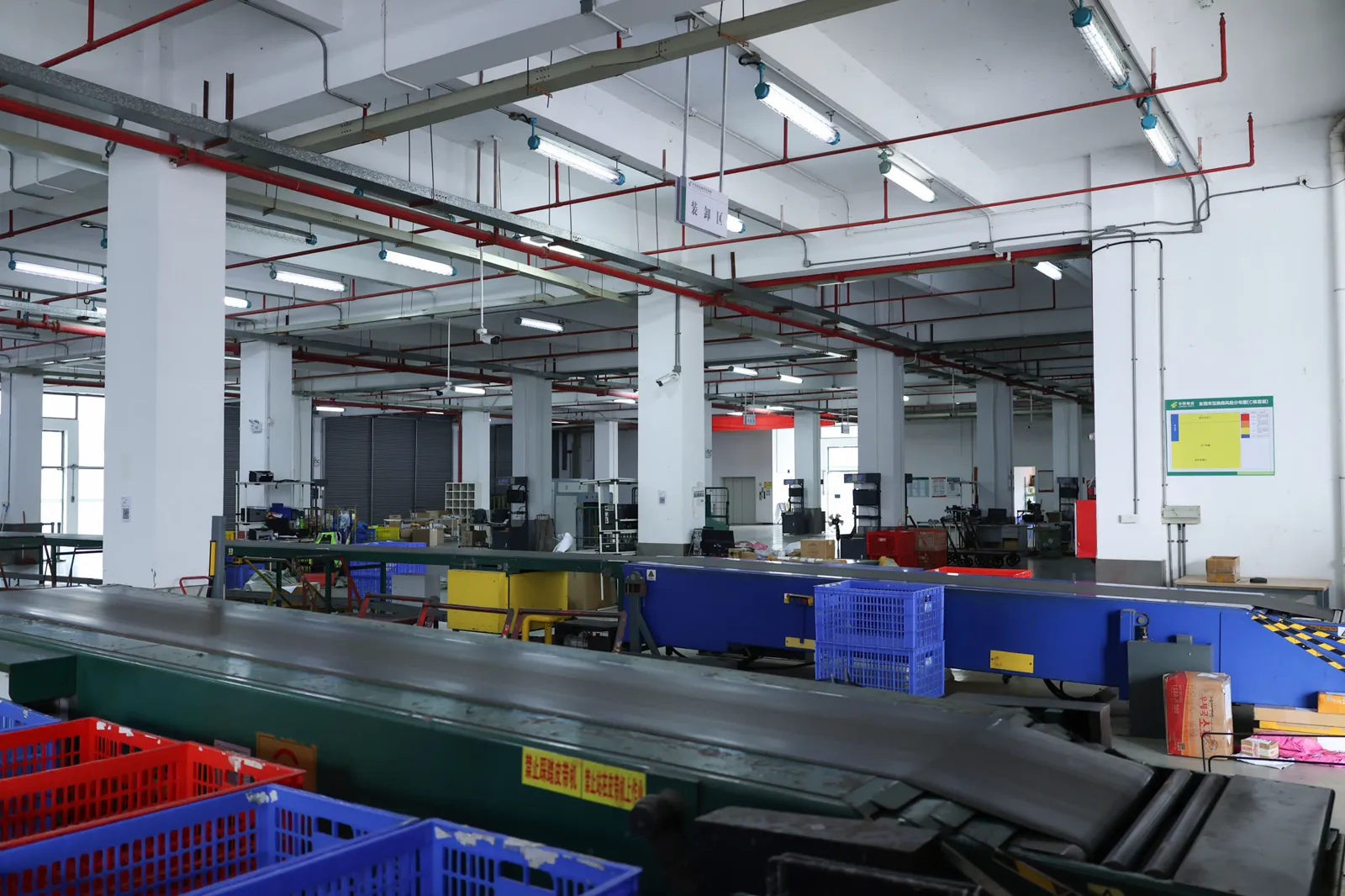
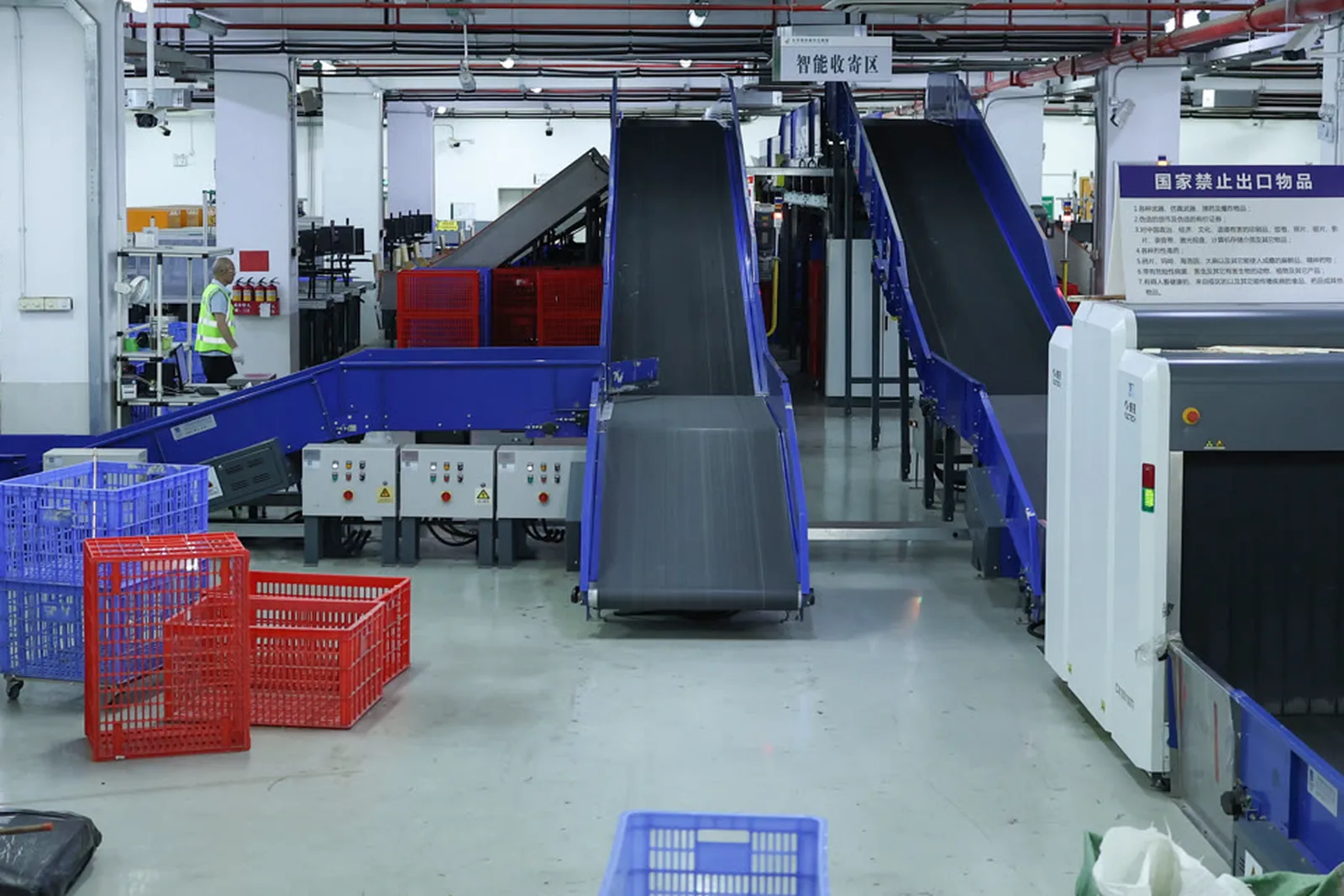
A China fulfillment center coordinates a scoped chain: receive, identify, count, hold on QC failure, store, pick, pack and dispatch. Holding stock in China absorbs the gap between production and order timing.
Scope must be written, not inferred from the label; unassigned decisions stay with the seller.
- Receiving and identity/count records
- QC hold and release within agreed scope
- Put-away and inventory states
- Order, pick-pack and dispatch records
- Supplier selection or production
- Product design or compliance
- Factory-stage inspection
- Sourcing, pricing or seller decisions
Keep two tests separate: receipt is not acceptance, and a system connection is not a reserved, dispatched or closed order.
Who Owns What: Supplier, Sourcing Agent, Fulfillment Center and Destination-Country 3PL
Role labels do not settle scope. Read the agreement and operating records.
| Role | Primarily owns | Does not automatically own |
|---|---|---|
| Supplier | Manufacturing to the approved specification | Fulfillment, receiving or destination delivery |
| Sourcing agent | Vetting, quotes and supplier handoff | Warehouse operations or returns |
| China fulfillment center | Receiving, storage, pick-pack and outbound dispatch within scope | Sourcing, compliance or unspecified QC standards |
| Destination-country 3PL | Local storage, last-mile delivery and returns within scope | Upstream sourcing, QC or China-side packaging |
Assign a named owner and record to each boundary, even when one company holds several roles.
First, verify the supplier handoff. Then compare China fulfillment with a destination-country 3PL.
Want the ASG team to check this step for your store?
The Eight-Node Order Control Trace
Eight linked control points, each with an input, an action, evidence and a stop condition.
 Supplier handoff
- Input:
- Shipment notice
- Control:
- Match order quantity and reference
- Evidence:
- Supplier handoff notice
- Stop:
- Notice mismatch
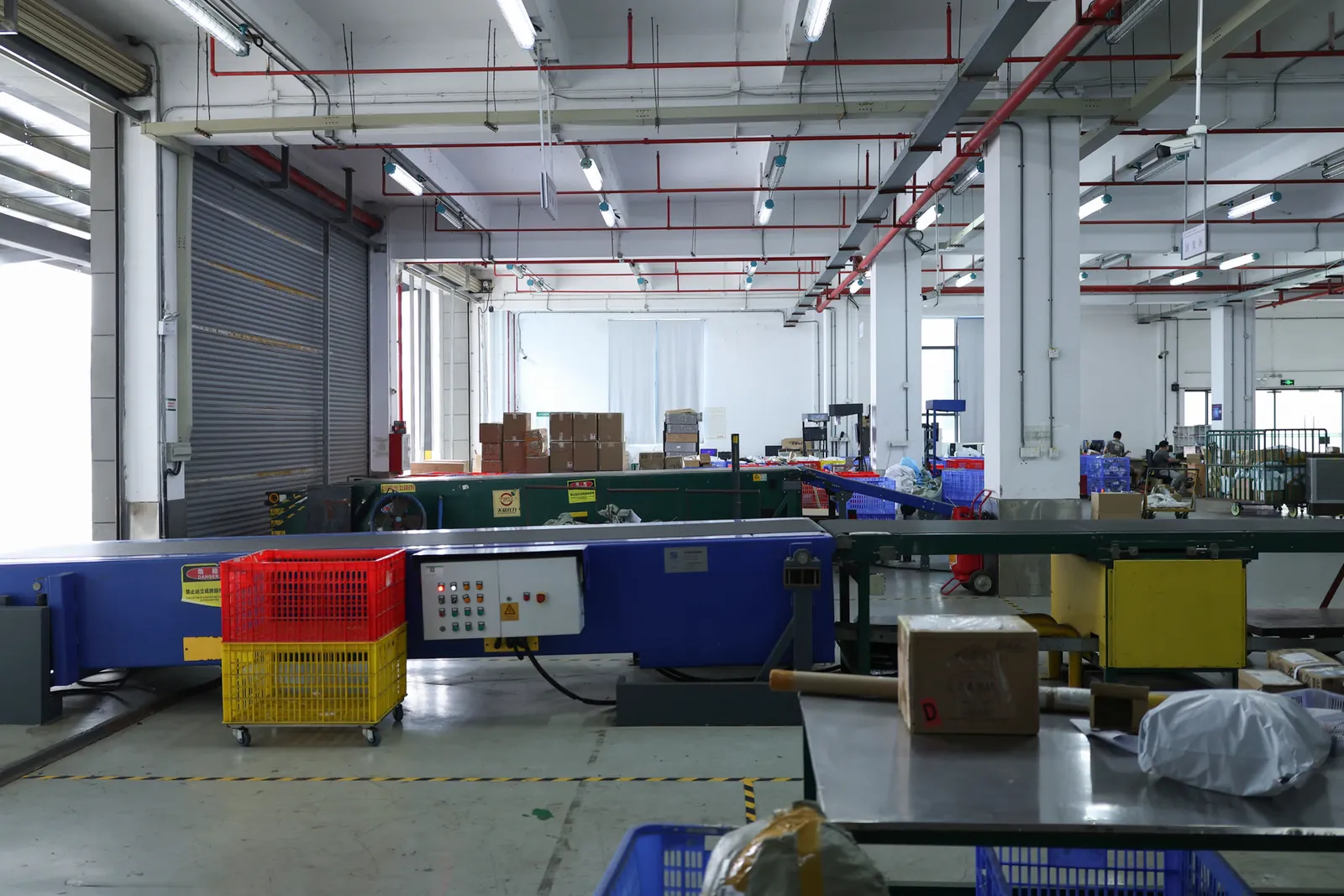 Receiving
- Input:
- Physical arrival
- Control:
- Create a receiving record
- Evidence:
- Arrival and reference log
- Stop:
- No matching reference
 Identity and count
- Input:
- Unpacked units
- Control:
- Identity and quantity check
- Evidence:
- SKU/variant scan
- Stop:
- Count or SKU mismatch
 QC and hold
- Input:
- Counted units
- Control:
- Apply checklist and isolate failures
- Evidence:
- Hold/release record
- Stop:
- Failed unit enters stock
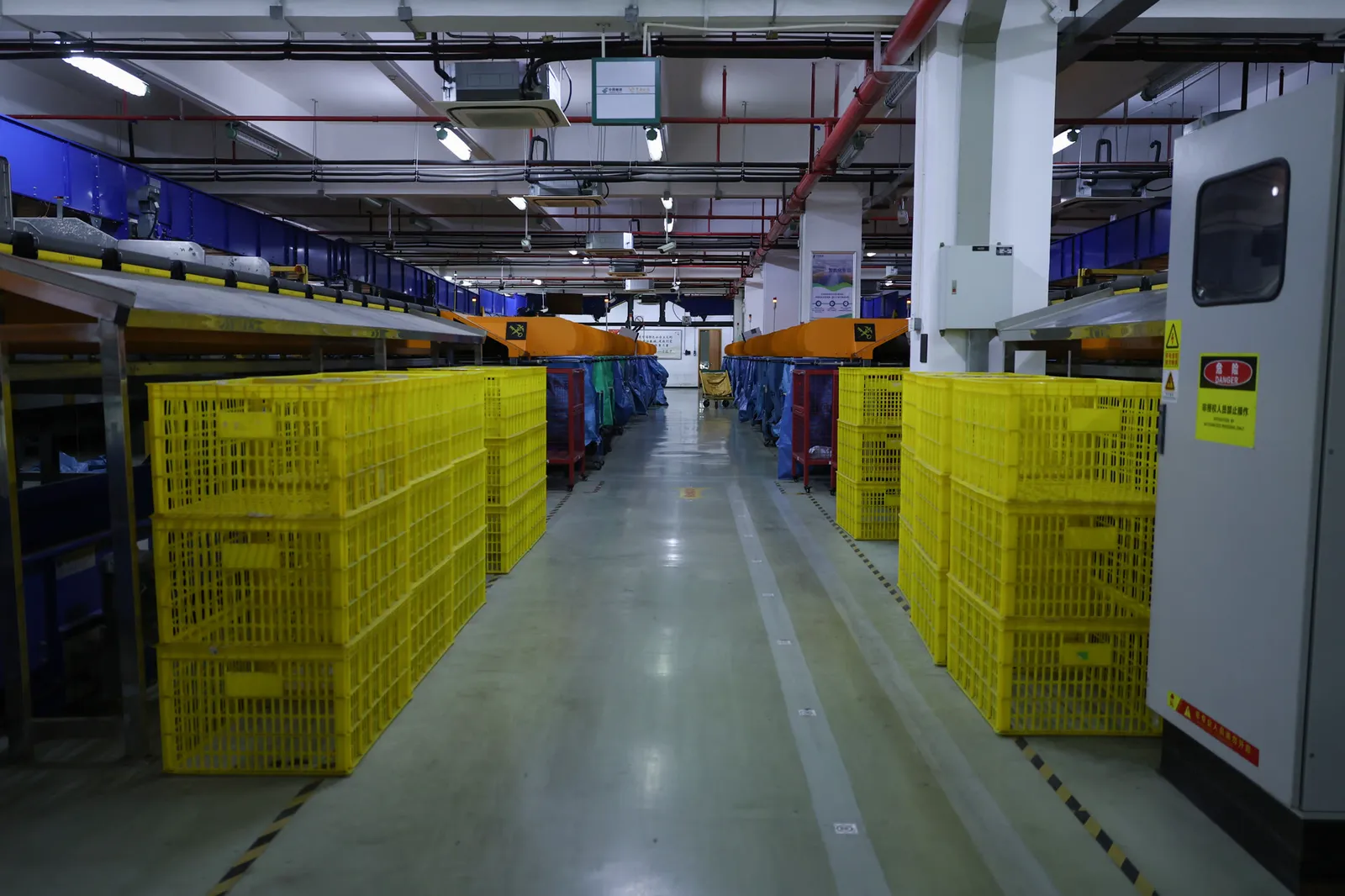 Put-away and inventory
- Input:
- Released units
- Control:
- Assign location and state
- Evidence:
- Put-away confirmation
- Stop:
- Inventory updates before put-away is confirmed
 Order sync
- Input:
- Store order
- Control:
- Match to available stock
- Evidence:
- Order/SKU mapping
- Stop:
- Order uses unavailable stock
 Pick and pack
- Input:
- Confirmed order
- Control:
- Pick and pack to approved spec
- Evidence:
- Pick-pack record
- Stop:
- Packaging mismatch
 Dispatch and exception
- Input:
- Packed order
- Control:
- Carrier handoff and tracking event
- Evidence:
- Dispatch scan
- Stop:
- No tracking or exception owner
At QC/hold, define the receiving QC checklist. At dispatch, compare shipping routes from China.

 Ethan Santos
 James A. Blackwood
 Robert F. Underwood