
How a China Fulfillment Center Works for Growing Stores
A China fulfillment center receives supplier goods, checks and counts them, holds what fails inspection, stores what passes, then picks, packs and dispatches orders worldwide. It is not automatically the supplier, sourcing agent or destination-country 3PL. Expect a receiving record, QC-hold evidence and carrier handoff.
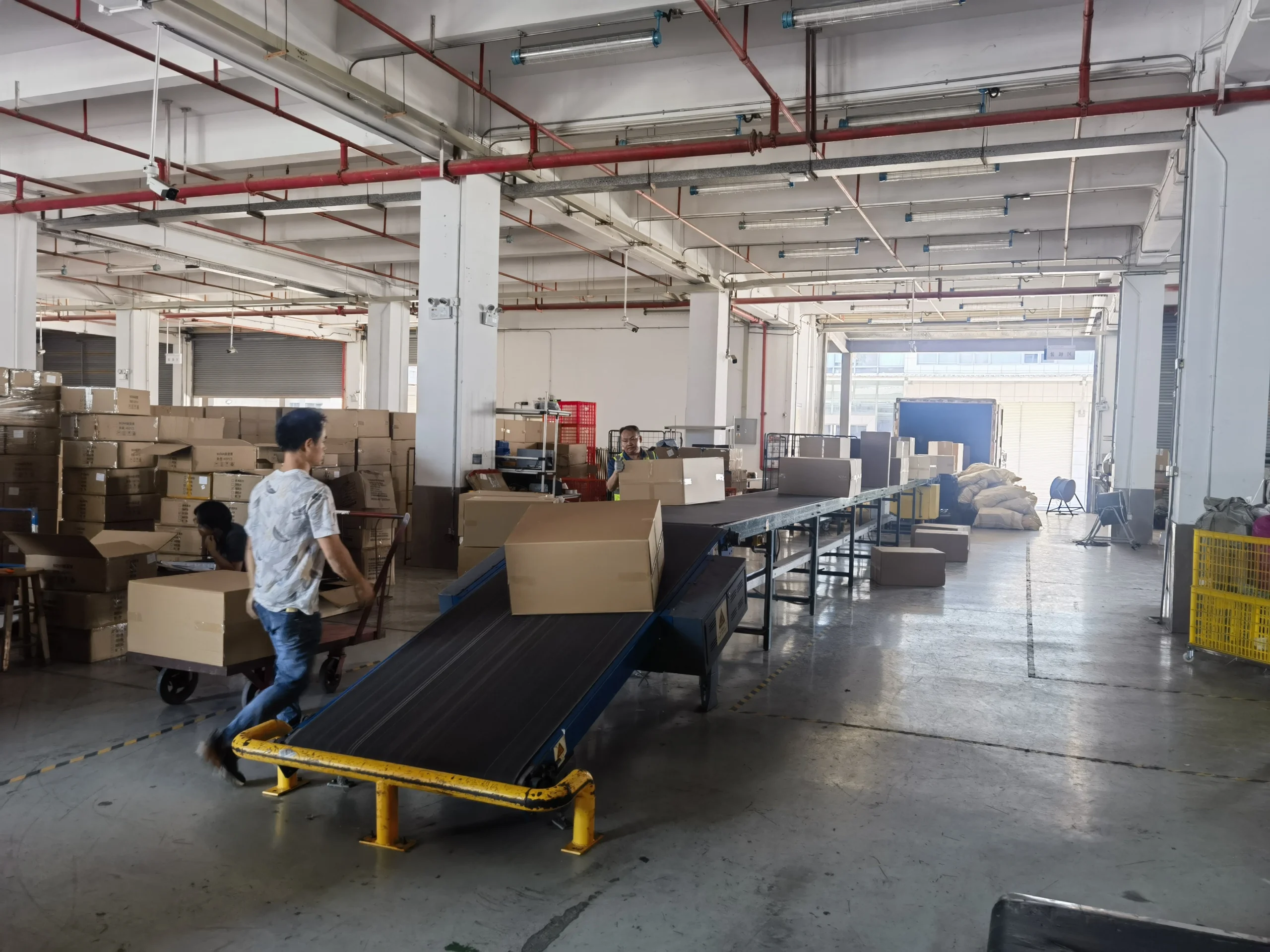
01–10
Boundary first. Physical receipt is not sellable inventory, and a store-to-warehouse connection proves only that data can move.
What a China Fulfillment Center Is — and Is Not
A China fulfillment center coordinates a scoped chain: receive, identify, count, hold on QC failure, store, pick, pack and dispatch. Holding stock in China absorbs the gap between production and order timing.
Scope must be written, not inferred from the label; unassigned decisions stay with the seller.
- Receiving and identity/count records
- QC hold and release within agreed scope
- Put-away and inventory states
- Order, pick-pack and dispatch records
- Supplier selection or production
- Product design or compliance
- Factory-stage inspection
- Sourcing, pricing or seller decisions
Keep two tests separate: receipt is not acceptance, and a system connection is not a reserved, dispatched or closed order.
Who Owns What: Supplier, Sourcing Agent, Fulfillment Center and Destination-Country 3PL
Role labels do not settle scope. Read the agreement and operating records.
| Role | Primarily owns | Does not automatically own |
|---|---|---|
| Supplier | Manufacturing to the approved specification | Fulfillment, receiving or destination delivery |
| Sourcing agent | Vetting, quotes and supplier handoff | Warehouse operations or returns |
| China fulfillment center | Receiving, storage, pick-pack and outbound dispatch within scope | Sourcing, compliance or unspecified QC standards |
| Destination-country 3PL | Local storage, last-mile delivery and returns within scope | Upstream sourcing, QC or China-side packaging |
Assign a named owner and record to each boundary, even when one company holds several roles.
First, verify the supplier handoff. Then compare China fulfillment with a destination-country 3PL.
The Eight-Node Order Control Trace
Eight linked control points, each with an input, an action, evidence and a stop condition.
- Supplier handoff
- Input:
- Shipment notice
- Control:
- Match order quantity and reference
- Evidence:
- Supplier handoff notice
- Stop:
- Notice mismatch
- Receiving
- Input:
- Physical arrival
- Control:
- Create a receiving record
- Evidence:
- Arrival and reference log
- Stop:
- No matching reference
- Identity and count
- Input:
- Unpacked units
- Control:
- Identity and quantity check
- Evidence:
- SKU/variant scan
- Stop:
- Count or SKU mismatch
- QC and hold
- Input:
- Counted units
- Control:
- Apply checklist and isolate failures
- Evidence:
- Hold/release record
- Stop:
- Failed unit enters stock
- Put-away and inventory
- Input:
- Released units
- Control:
- Assign location and state
- Evidence:
- Put-away confirmation
- Stop:
- Inventory updates before put-away is confirmed
- Order sync
- Input:
- Store order
- Control:
- Match to available stock
- Evidence:
- Order/SKU mapping
- Stop:
- Order uses unavailable stock
- Pick and pack
- Input:
- Confirmed order
- Control:
- Pick and pack to approved spec
- Evidence:
- Pick-pack record
- Stop:
- Packaging mismatch
- Dispatch and exception
- Input:
- Packed order
- Control:
- Carrier handoff and tracking event
- Evidence:
- Dispatch scan
- Stop:
- No tracking or exception owner
At QC/hold, define the receiving QC checklist. At dispatch, compare shipping routes from China.
Inventory Truth: Five States, Not One Stock Number
One stock number in a China fulfillment warehouse can hide five operational truths.
Received, QC-cleared, put away, unallocated.
Matched to an order, not yet picked.
Held for QC disposition or exception.
Failed inspection or unsellable after receipt.
Physical count and system record disagree.
One reconciliation screenshot shows one SKU at one point in time, not continuous accuracy.
Received ≠ released ≠ available. Promise stock only from the approved source of inventory truth.
Data a Seller Should Prepare Before Onboarding
Stale data becomes a warehouse-floor exception. Give each field a source of truth, an update owner and a rejection rule.
- SKU mapping and variants. Current specifications, barcodes and active/discontinued status.
- Stock truth. Available, allocated, held, damaged and unknown states.
- Order data. Order/cancellation sync rule and source of truth.
- Exception rules. Notification, decision owner and next action.
- Packaging requirements. Approved materials, inserts and labels by SKU.
- Carrier rules. Destination and product restrictions by route.
- Returns handling. Landing location, inspection and return disposition.
Cost Components: What Drives the Total
Cost is a structure, not one headline price; ask what triggers each line.
No price or savings claim is made here. Itemize all seven components before comparing totals.
When the Model Fits — and When It Doesn't
Fit depends on operating conditions, not an order-volume threshold.
| Condition | Fits the model | Poor fit |
|---|---|---|
| Sourcing location | Products are already sourced in China | Products are mainly sourced elsewhere |
| QC posture | Needs hold/release evidence before dispatch | Chooses supplier-direct shipping without an independent check |
| Packaging | Needs China-side pack-out, inserts or private-label execution | Uses unmodified supplier packaging |
| Order mix | Ships to several destination countries from one stock pool | Concentrated in one market served by a local 3PL |
| Data maturity | Can provide clean SKU, stock and order data | Cannot produce the readiness manifest |
A fulfillment center in China can fit one SKU and not another.
Evidence to Request Before You Trust the Chain
Six records turn a claim into evidence, and each one proves a limited fact. Request redacted examples before onboarding.
| Required record | Helpful for | Verify separately |
|---|---|---|
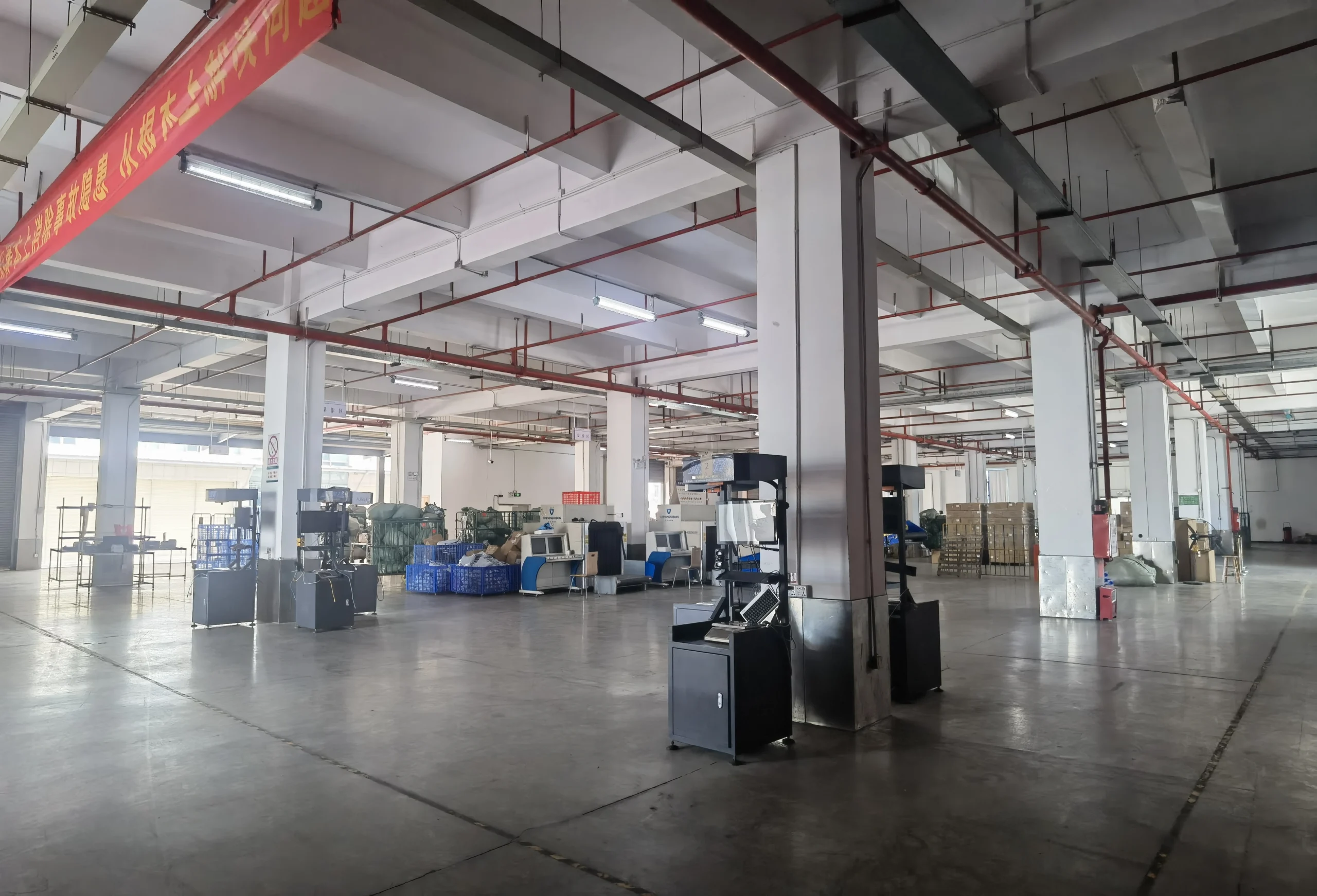
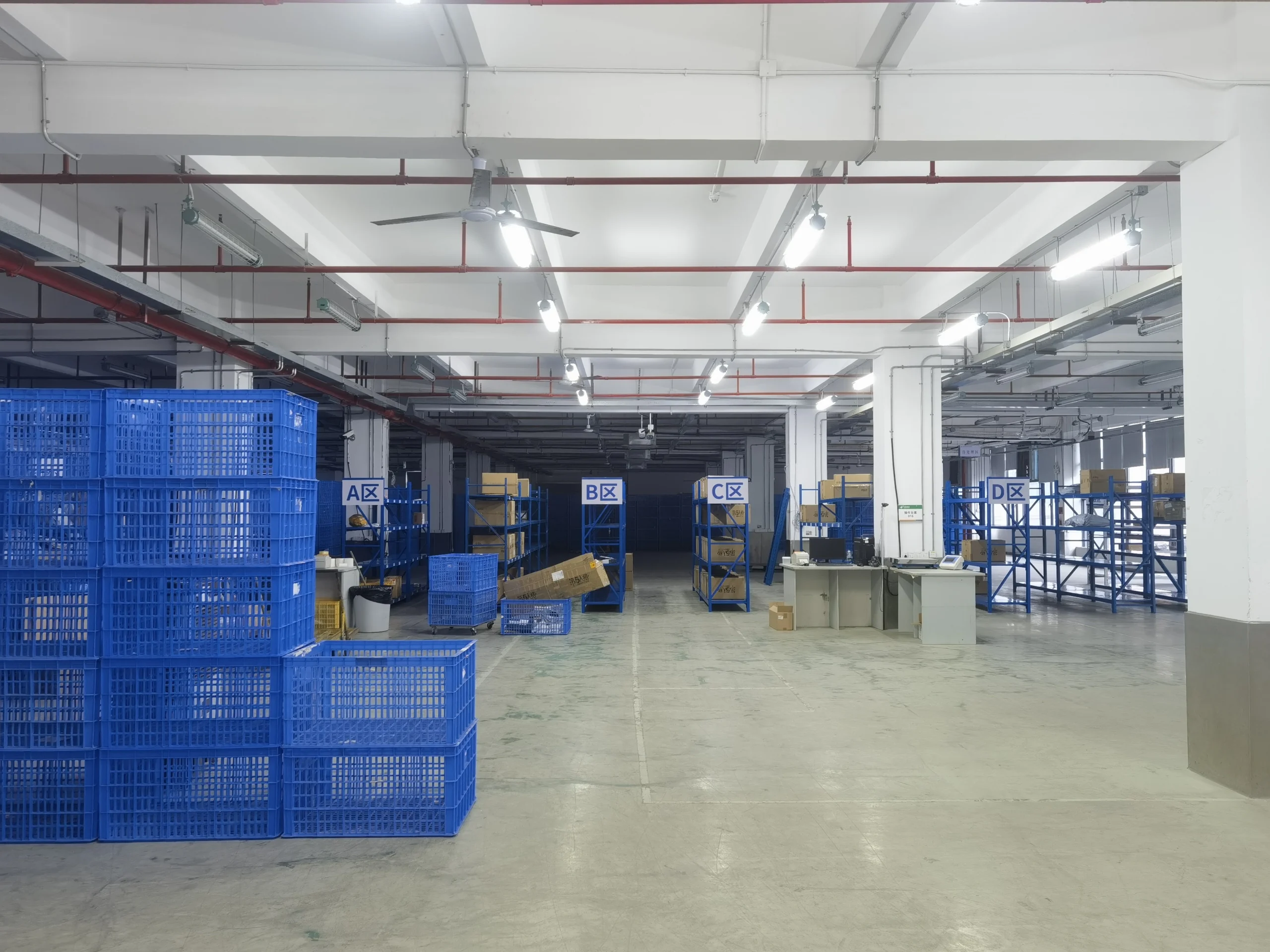
China warehouse receiving-zone photo | How one receiving area logs units | Every shipment is handled the same way |
SKU inventory reconciliation screenshot | How one SKU reconciles at a point in time | Continuous accuracy for that or every SKU |
QC hold-and-release record | One documented hold and disposition | Every failed unit is caught consistently |
Pick-pack and packaging approval record | One order matched an approved packaging spec | Every order receives the same check |
Dispatch-to-carrier handoff record | One packed order reached a named carrier | The carrier leg's later speed or reliability |
Fulfillment exception and corrective-action log | How one exception was owned and closed | Exceptions are rare or the action always works |
A stock photo or AI image is an illustration, not warehouse evidence.
Run a Controlled Pilot Before You Scale
The gate is evidence clearing at each stage, not a calendar date or order count.
Name the SKUs, destinations and order types covered.
Record the current process and evidence trail first.
Route the scoped orders through all eight nodes, keeping each record.
Compare evidence with the baseline before expanding volume.
A pilot proves only its scoped conditions. Scaling still requires inventory reconciliation, exception ownership and a stop condition.
Frequently Asked Questions
What does a China fulfillment center do?
A China fulfillment center receives, checks and counts supplier goods, holds failures, stores what passes, then picks, packs and dispatches orders. It does not automatically handle sourcing, compliance or seller decisions.
How is a China fulfillment center different from a supplier or sourcing agent?
A supplier manufactures to scope; a sourcing agent vets suppliers and coordinates quotes. A China fulfillment center starts after production. Confirm in writing who owns each step.
How does a China fulfillment center differ from a destination-country 3PL?
A China fulfillment center sits upstream and dispatches cross-border. A destination-country 3PL stores near the end customer and handles last-mile delivery and returns. Many sellers use both.
When does storing inventory in China make sense?
It fits when products are sourced there, packaging or QC needs China-side execution, or orders ship to several countries from one pool. It fits less when demand sits near one market.
What data and cost components should a seller review before onboarding?
Review SKU and variant data, stock states, order sync, exception rules, packaging, carrier rules and returns. Ask the provider to itemize each cost component.
What evidence should a seller request before scaling fulfillment?
Request the receiving, reconciliation, QC hold-and-release, pick-pack, dispatch-handoff and exception records. Each shows a limited fact, not a guarantee.
Weighing whether a China fulfillment center fits your setup? Bring your SKU list, current stock truth and order mix to an ecommerce fulfillment review.