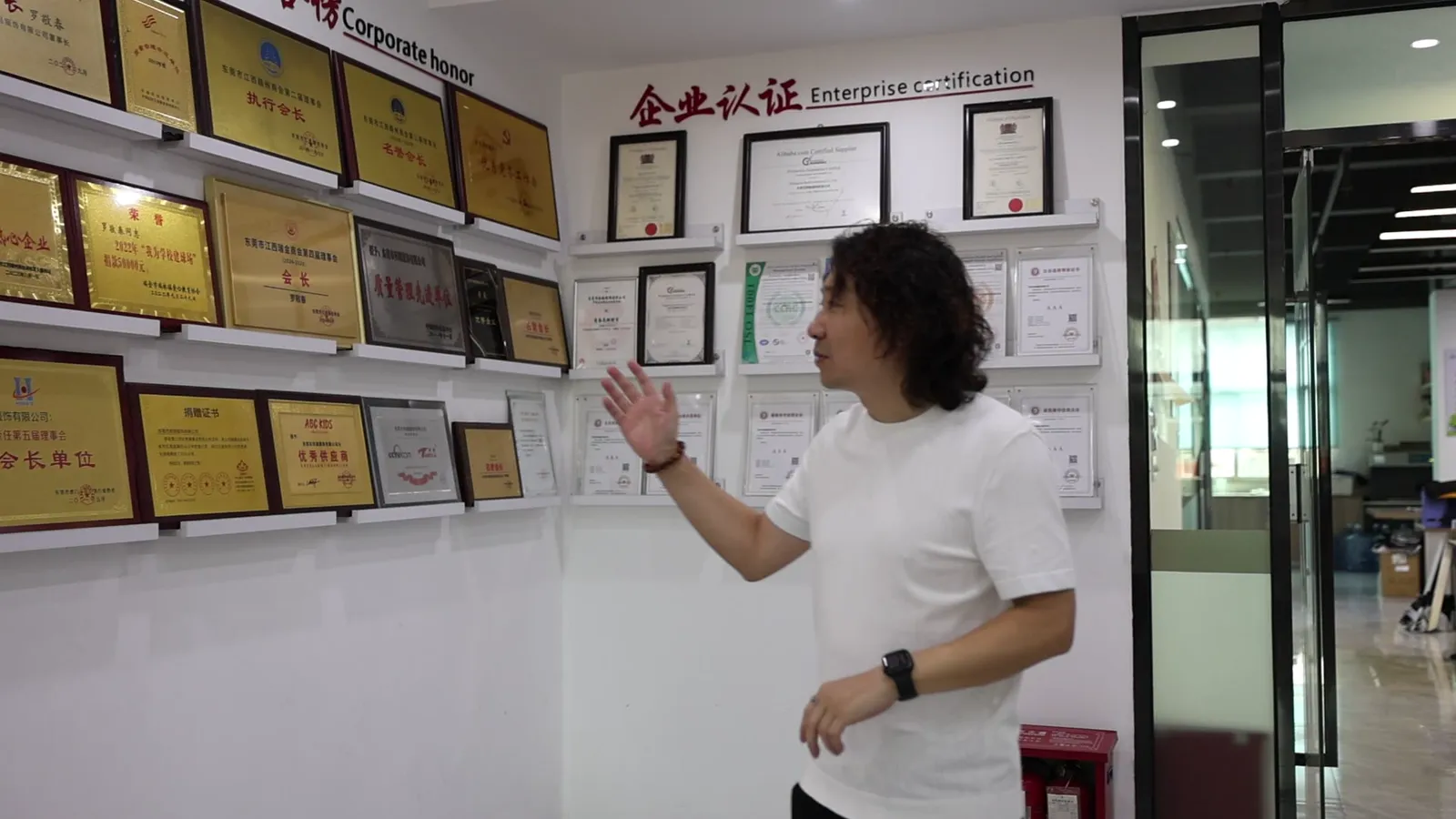
Answer First: What Verification Decides and What It Leaves Open
Supplier due diligence answers three narrow questions. Who is the legal entity receiving the money? Can it plausibly make this product now? Do listing claims match documents naming the same entity, site and SKU?
Everything else — batch stability, undeclared subcontracting, dispatch timing, behaviour in a dispute — is decided later by specifications, samples, trial production and records. Verification is the gate that permits a controlled trial, not a verdict that a supplier is safe.
The Identity-to-SKU Evidence Ladder
Verification fails when it stops at the entity and jumps to an order. Climb one rung at a time; each has a different question and a stop condition.
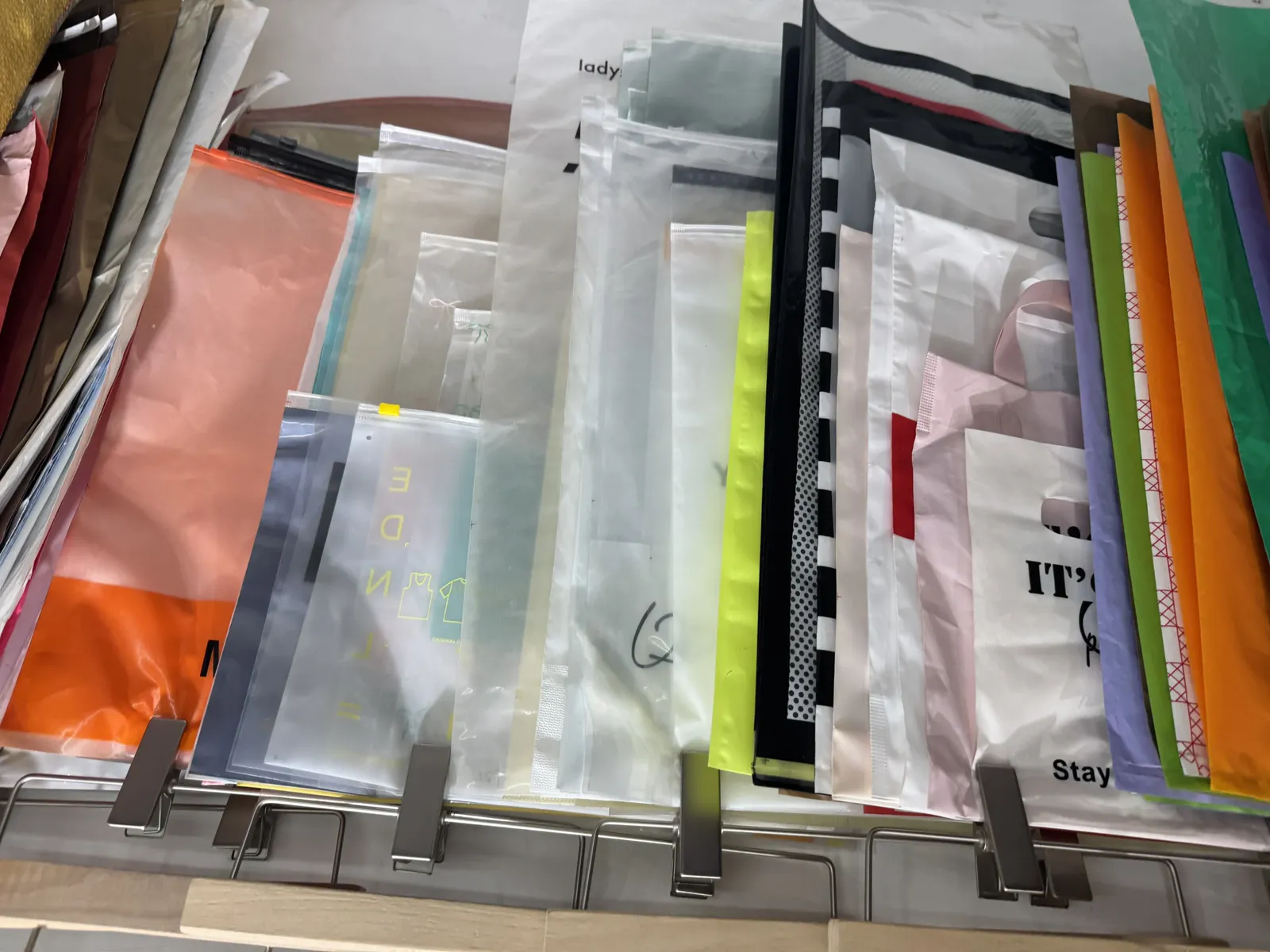
| Rung | What raises it | What it cannot prove | Stop climbing if |
|---|---|---|---|
| 1 Legal entity | Registered name, number, scope, status read from the record | That the entity makes anything | Names differ across record, chat, invoice |
| 2 Operating site | Address plus a live walk-through tied to that entity | Who controls the site | The site is never shown live |
| 3 Claimed capability | Equipment, process, staffing, output for this category | Capacity at your volume | Capability is only described |
| 4 SKU specification | Written material, dimensions, finish, accessories, packaging, label | Ability to hold that specification | The spec is only a listing photo |
| 5 Sample | Sample measured against a numbered specification version | Batch repeatability | The sample has no version reference |
| 6 Trial batch | Small run with inspection access and dated records | Long-run stability | The trial ships without records |
| 7 Ongoing records | Repeat batches, declared changes, exceptions, closures | Future performance | Records stop after the first reorder |
A rung reached by assertion is not a rung. If the ladder stops at capability, the output is verify more or hold.
Can demonstrate: how a registration record was read and matched to the counterparty. Cannot prove: current registry status, entity reliability, or that the entity makes any specific SKU.
Eight Steps of a China Supplier Audit You Can Run Remotely
A China supplier audit is a sequence of inputs, checks, evidence and decisions. Every step must produce something you can file.
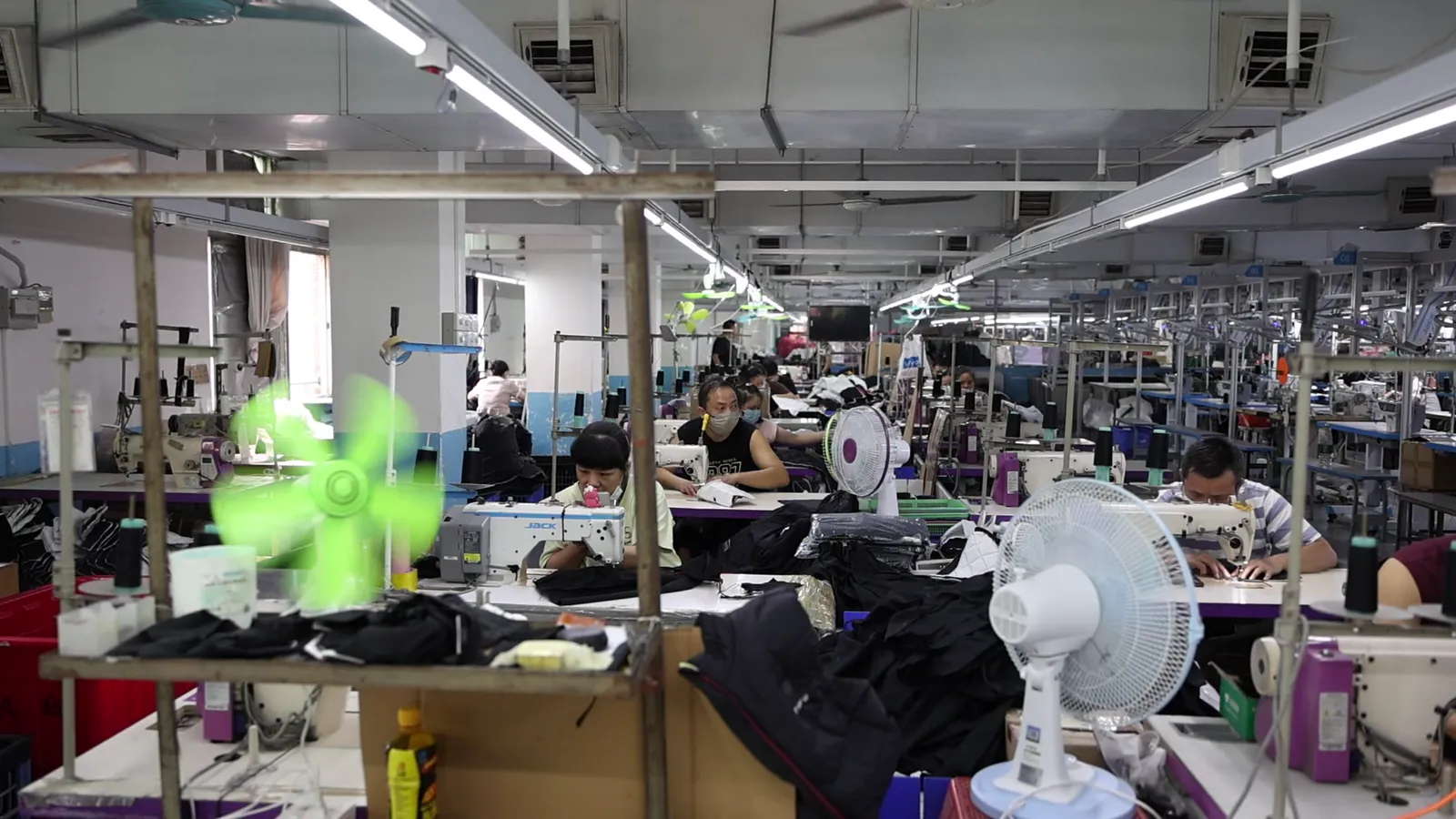
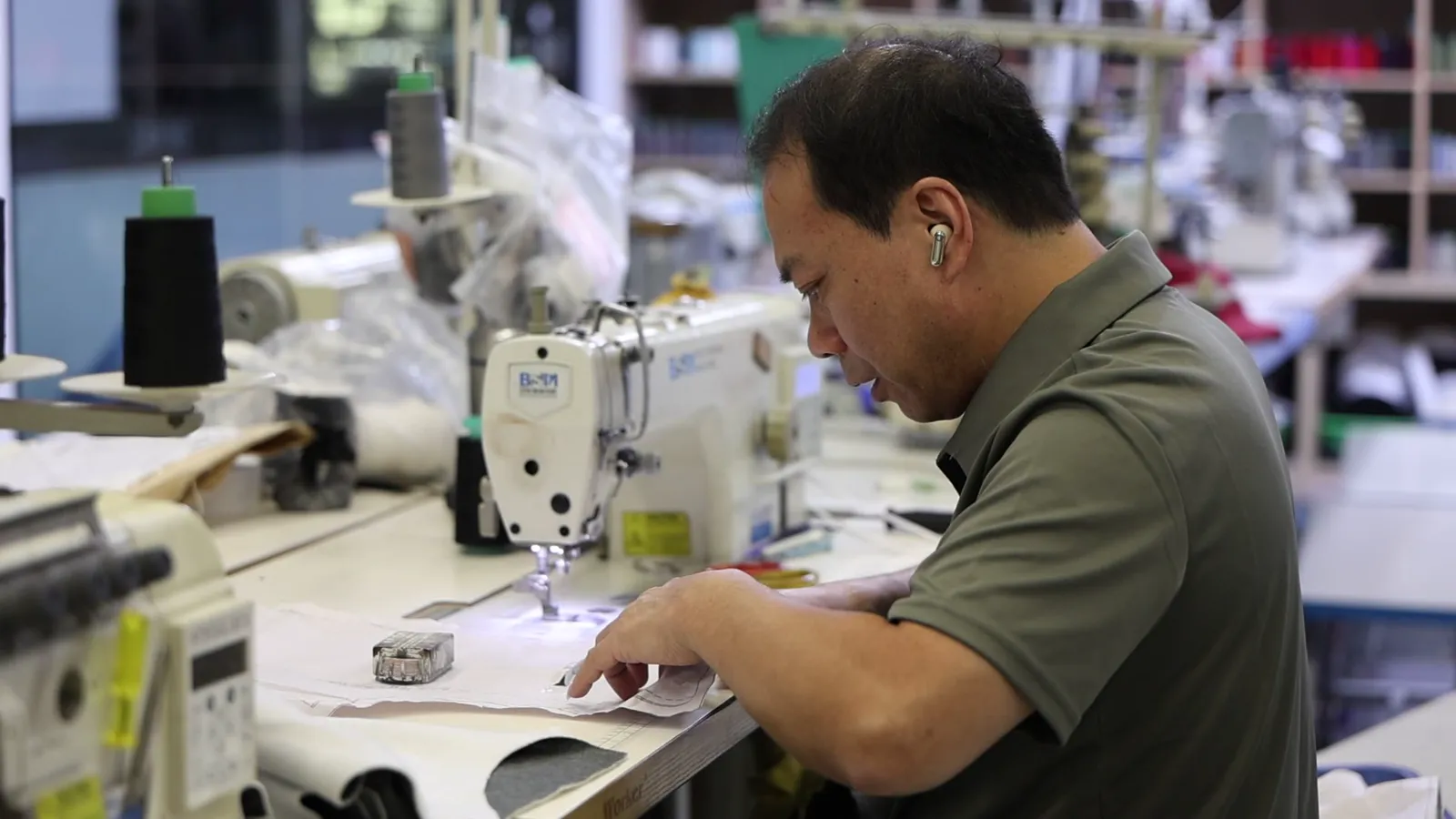
| Step | Input | Check | Evidence | Decision output |
|---|---|---|---|---|
| 1 Identify entity | Registration details | Name, number, scope, status match the counterparty | Dated note of the record read | Continue or stop on mismatch |
| 2 Match payment | Beneficiary, account, invoicing party | Beneficiary equals the verified entity | Master-data sheet with approver | Continue or refuse third-party payment |
| 3 Confirm site | Address, live walk-through | Areas seen match the claimed process | Dated video and photo notes | Continue or request the real site |
| 4 Test capability | Process and tooling questions | Answers stay consistent under detail | Written question trail | Continue or narrow scope |
| 5 Freeze specification | Draft specification | Both sides hold the same version | Versioned specification file | Continue or no sample yet |
| 6 Approve sample | Sample against the frozen version | Measured deviations, not impressions | Signed approval sheet | Approve, rework or reject |
| 7 Run trial batch | Small order with inspection access | Conformity, packaging, records, timing | Scorecard and inspection record | Repeat, scale or correct |
| 8 Close or escalate | Findings from the trial | Actions completed and verified | Closure record with a date | Close, follow up or replace |
Steps two and five are where remote verification breaks. A supplier who will not put a beneficiary or a specification version in writing has answered the question.
Can demonstrate: that entity, beneficiary and invoicing party were compared before payment. Cannot prove: that funds are secure, that an account is legitimate, or that later instructions will match.
Want the ASG team to check this step for your store?
Document Existence, Relevance and Verification Are Three States
A screenshot proves a file exists. Relevance and verification are separate states that sourcing arguments routinely merge.
| Document | Existence means | Relevant when | Verified when | Residual risk |
|---|---|---|---|---|
| Business licence copy | A record was sent | Entity, counterparty, payee agree | Read against the issuing record, not the image | Status can change later |
| Platform verified status | A platform applied a label | Its stated scope is understood | Scope and date are read | Scope may exclude your SKU |
| Factory audit report | An audit happened once | Site, date, scope cover your product | Findings and closures are seen | Findings may still be open |
| Certificate or test report | A document names a product | Entity, site, model, material, scope, market, issuer, validity match | Issuer and scope checked at source | A variant change voids the match |
| Quality agreement | Terms were exchanged | Responsibilities, change control, records are named | Both parties hold one signed version | It cannot prevent defects |
Certificates are matched, not collected. A logo change, material substitution or new packaging can move a document outside its scope, which makes private label readiness a documentation decision.
Sample Approval Only Counts Against a Frozen Specification
Sample approval is a comparison, not an impression. Three edges hold it together; a missing edge leaves uncertainty that a later batch exposes.
- Specification to sample. The sample is measured against a numbered version; each deviation is recorded, then accepted or rejected by a named person.
- Sample to production. The approved sample is retained and referenced by the trial batch, giving the run a physical benchmark.
- Specification to production. Change control states who may alter material, tooling, subcontracting, packaging or labelling, and what must be resubmitted.
Without the first edge, approval is taste. Without the second, production has nothing to match. Without the third, the product drifts while the specification appears unchanged.
Can demonstrate: a numbered specification and a dated approval with recorded deviations. Cannot prove: batch consistency, market compliance, or that later production matched the sample.
Risk Areas Keep Their Own Evidence Line
One overall score hides which part is weak. Keep the lines separate, each with its own residual uncertainty.
| Risk area | Evidence that reduces it | What remains uncertain | Follow-up owner |
|---|---|---|---|
| Identity and payment | Registration record matched to the beneficiary | Later changes of payment instruction | Buyer |
| Capability and capacity | Site walk-through, process detail, trial volume | Behaviour at higher volume | Buyer and supplier |
| Specification | Frozen version, approved sample, change control | Undeclared substitution | Supplier |
| Product quality | Agreed inspection scope with dated results | Defects outside the sampled scope | Inspection party |
| Continuity | A second qualified source and stock cover | Concentration on one site | Buyer |
| Brand and IP | Written ownership of artwork, tooling, files | Unauthorised reuse | Buyer |
| Documentation | Matched, in-scope, current documents | Market or platform acceptance | Buyer |
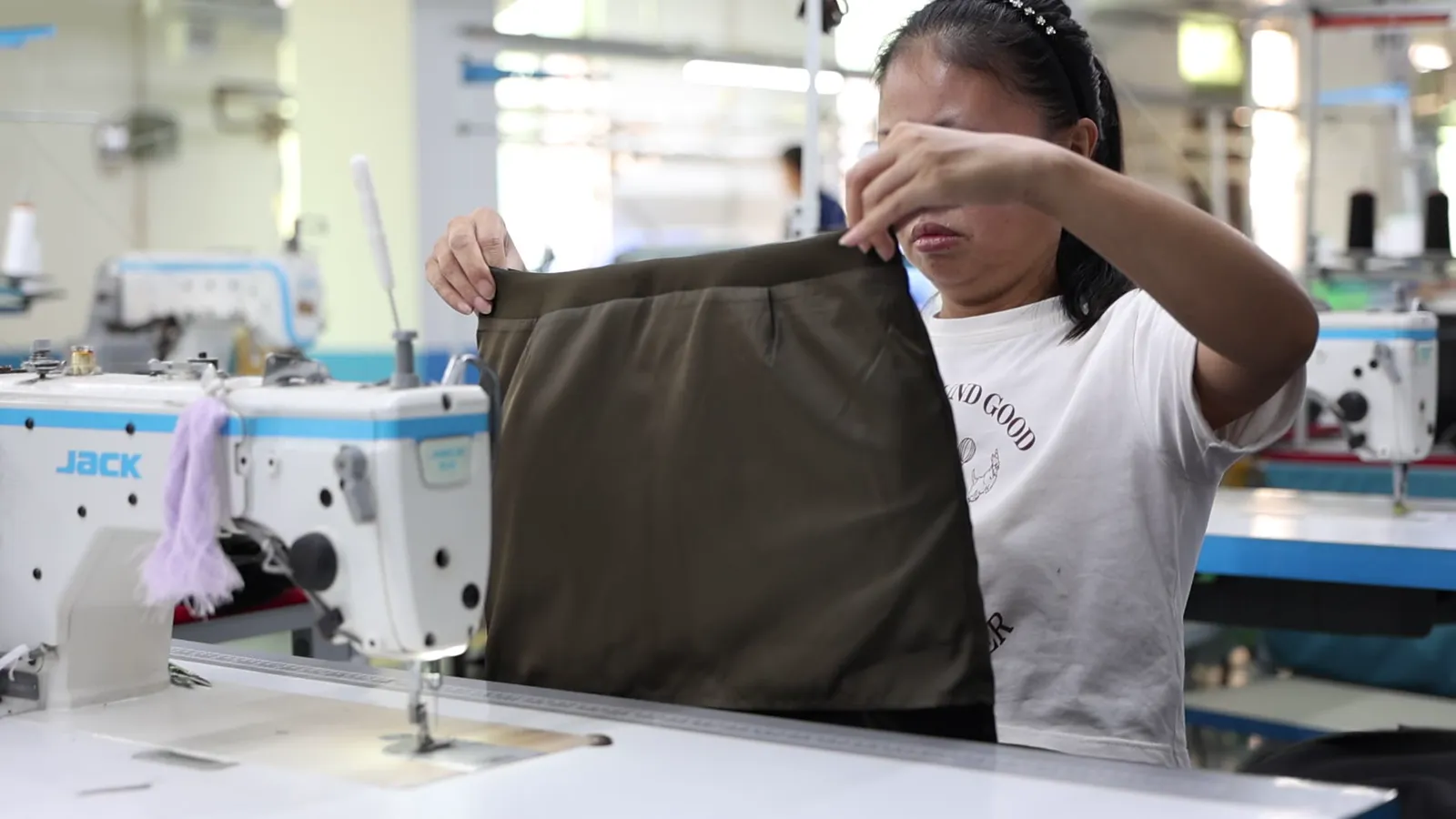
Quality is the line most often assumed rather than evidenced. Choose inspection depth deliberately with quality control, not from a supplier's own report.
The Trial Order Scorecard Is a Decision Record, Not a Quote Sheet
A trial order scorecard records what happened when a small order was executed. It carries no price ranking: a quotation cannot describe how a supplier behaves when something goes wrong.
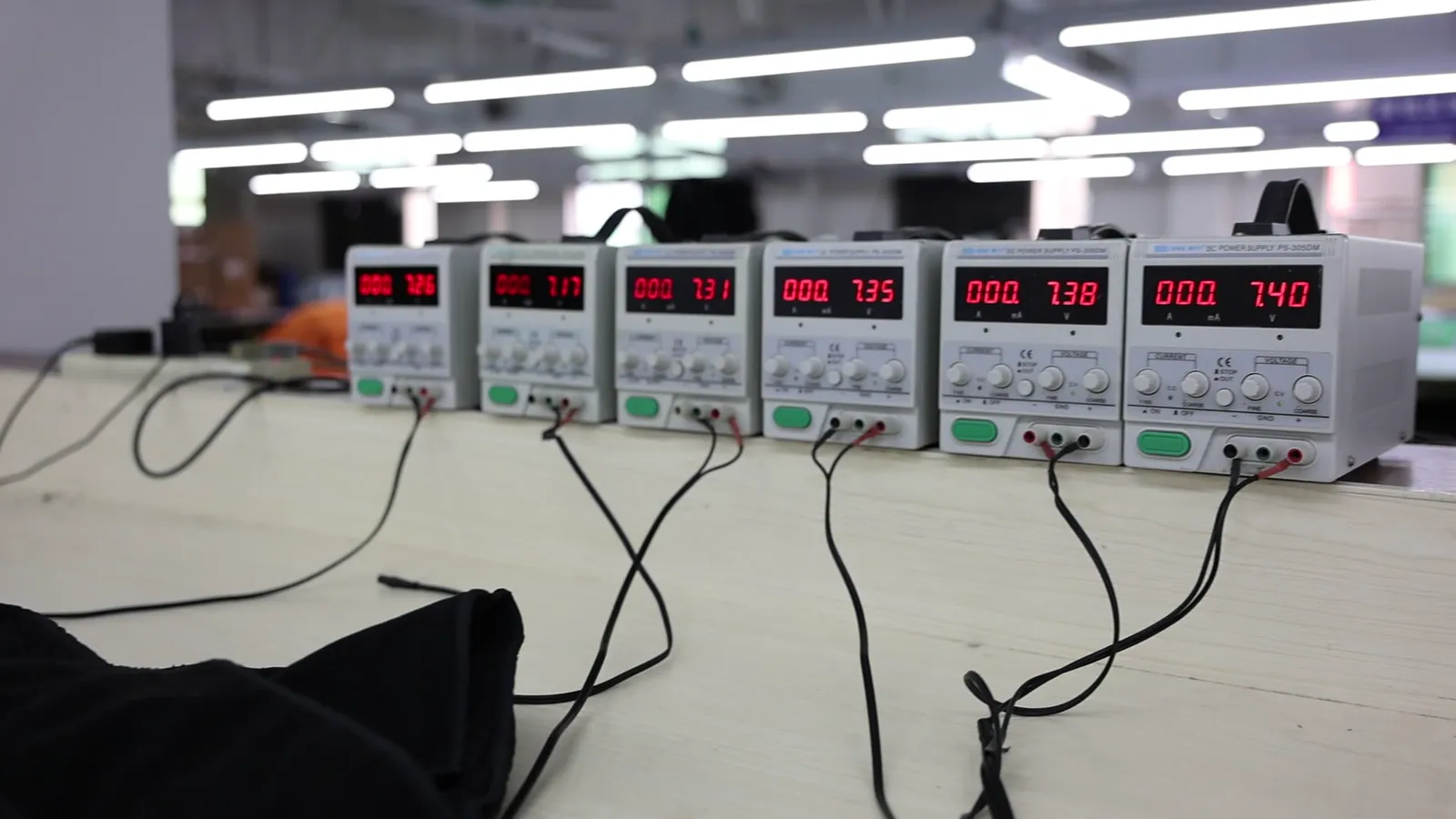
| Scorecard line | What to record | Evidence to file |
|---|---|---|
| Specification conformity | Deviations against the frozen version | Measured results and photos |
| Communication | Response when questions or problems appear | Dated message trail |
| Change control | Whether changes were declared before production | Change notices and approvals |
| Packaging and labelling | Pack, label, barcode, market marks as specified | Pack-out photos, label proof |
| Quality control | Scope agreed, access granted, findings recorded | Inspection record |
| Lead-time evidence | Dates for sample, production, inspection, dispatch | Dated milestones |
| Exception handling | What the supplier did when something went wrong | Issue record and outcome |
Read the lines, not the total. A supplier strong on conformity but weak on change control is a different risk from one that misses dates.
Can demonstrate: that one trial order was reviewed against fixed operational lines. Cannot prove: repeat performance, supplier ranking, defect rates or delivery outcomes.
Want the ASG team to check this step for your store?
Corrective Action Closes on Verified Evidence, Not on a Reply
An acknowledgement is not a correction. A finding is closed only after six stages, in order.
- Issue. A written description with quantity, batch, dates and evidence.
- Root cause. The condition that allowed it, stated as a process fact, not a person.
- Action. Containment for affected stock plus a change against recurrence.
- Evidence. Documents, photos, revised work instructions or retests showing it happened.
- Verification. The buyer or inspection party checks that evidence against the promised action.
- Follow-up and closure. A named closure decision, a date, and the next batch to watch.
Write the closure criteria before the disagreement. An action still open at the next order is a live scorecard risk, not solved history.
Can demonstrate: that one issue moved through cause, action, evidence and verified closure. Cannot prove: that recurrence is prevented, that other issues were handled the same way, or that the supplier is reliable.
Supplier Switching Runs Two Routes in Parallel
Supplier switching is a transition, not a swap. Keep the existing and pilot routes visible together until the pilot has evidence, because customers keep ordering.
| Phase | Existing route keeps doing | Pilot route must prove | Continuity risk if skipped |
|---|---|---|---|
| 1 Prepare | Shipping open orders from current stock | Entity, payment match, frozen specification | The new supplier builds to an unwritten spec |
| 2 Qualify | Holding normal reorder cover | Sample approval against the same version | Two versions of one product exist |
| 3 Pilot | Fulfilling live demand as usual | Trial batch, inspection access, packaging, labels | Customers receive an unreviewed product |
| 4 Overlap | Running old stock down deliberately | Repeat batch and dated lead-time evidence | A gap opens between the routes |
| 5 Transfer | Keeping a fallback option open | Capacity at normal volume, exception handling | No route remains if the pilot fails |
| 6 Review | Closing old-route obligations | Continuing records, changes, closures | Tooling, artwork or files are stranded |
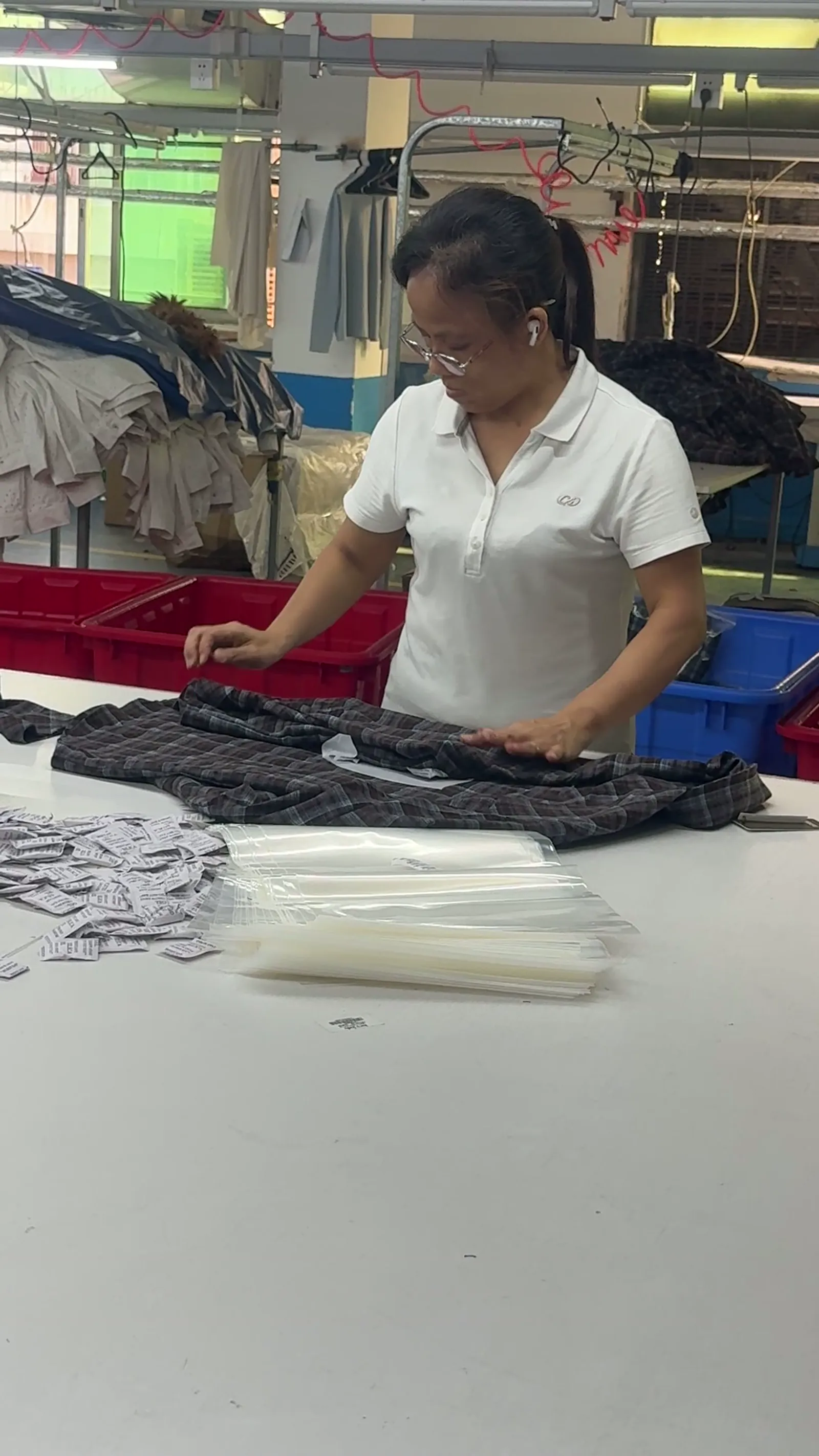
Packaging, labels and barcodes move with the product, so confirm which packaging and label controls transfer and who holds the artwork files. Dispatch point and transit exposure change too; plan them with shipping optimization first.
Can demonstrate: a dated plan that kept old stock, pilot supply and customer delivery visible together. Cannot prove: that a switch will be uninterrupted, cheaper, faster or safer than staying.
Hold, Verify More, Trial With Controls or Plan a Parallel Switch
Route on what is recorded, not on how convincing the conversation felt.
- HOLD — identity, entity match or payment beneficiary unresolved. Order nothing until the record and the payee agree.
- VERIFY MORE — entity confirmed, capability or specification not evidenced. Freeze a specification, view the site live, obtain a versioned sample.
- TRIAL WITH CONTROLS — specification frozen, sample approved, inspection agreed. Run a bounded trial batch and complete the scorecard.
- PLAN PARALLEL SWITCH — repeat issues open after verified corrective action. Qualify an alternative while the existing route ships.
Record the route, the missing evidence, the owner and the review date.
Want the ASG team to check this step for your store?
Explore ASG
Sourcing Services and Verification Guides
Each card opens an existing ASG page: what comes after verification, and the guides behind each rung.
- Service
How to Choose a Dropshipping Agent as Orders Grow
One coordinating party once a supplier is verified.
- Service
Dropshipping QC Checklist: Inspect, Document, Decide
Set inspection depth for the trial batch.
- Service
How a China Fulfillment Center Works for Growing Stores
Receiving and stock records after the switch.
- Service
Low-MOQ Private Label: What to Check Before You Start
When your brand changes what a certificate covers.
- Service
Finding Top Product Manufacturers
Shortlist factories before the evidence ladder starts.
- Service
Custom Kitting & Packaging
Packaging and label versions that move with the product.
- Research
The Supplier Verification & QC Proof Guide
The evidence a supplier should be able to show.
- Research
The Supplier Switch & Fulfillment Bottleneck Report
Where switches stall, and how to see it early.
- Research
The Landed-Cost & Trade-Compliance Guide
Duties and checks behind the real unit cost.
- Guide
How Do I Find Reliable Dropshipping Suppliers?
A practical way to shortlist and test suppliers.
- Guide
Replace Dropshipping Supplier Relationships Safely
Switch suppliers without breaking live orders.
- Guide
How a 1688 Dropshipping Agent Helps You Source, Check and Ship Products
Source from 1688 with checks before you ship.
Verify us
Verify Us the Way You Verify a Supplier
“Excellent dropshipping agent Stenfan. Last year, I worked with Lucy to find resources and products. ASG is always reliable and their products are of high quality.”
 Mohammed Salim
“Through ASG, I found new suppliers. Their service was perfect, providing top-notch brand customization and global logistics coverage.”
 James A. Blackwood
“High quality products and prompt service. ASG’s production follow-up helped solve quality problems and saved us time.”
 Robert F. Underwood
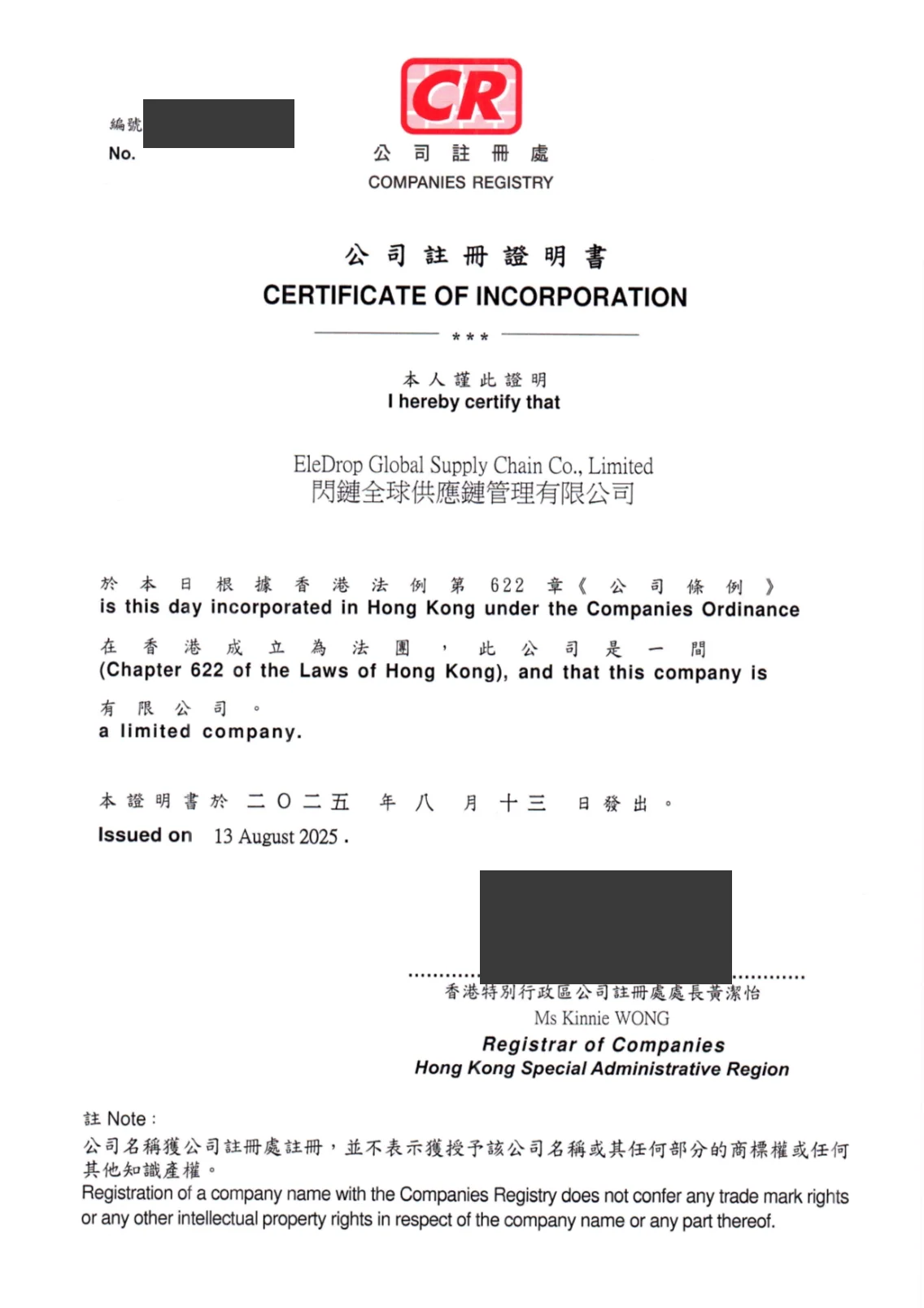
Certificate of IncorporationEleDrop Global Supply Chain Co., Limited · Hong Kong · issued Aug 2025 · some details masked 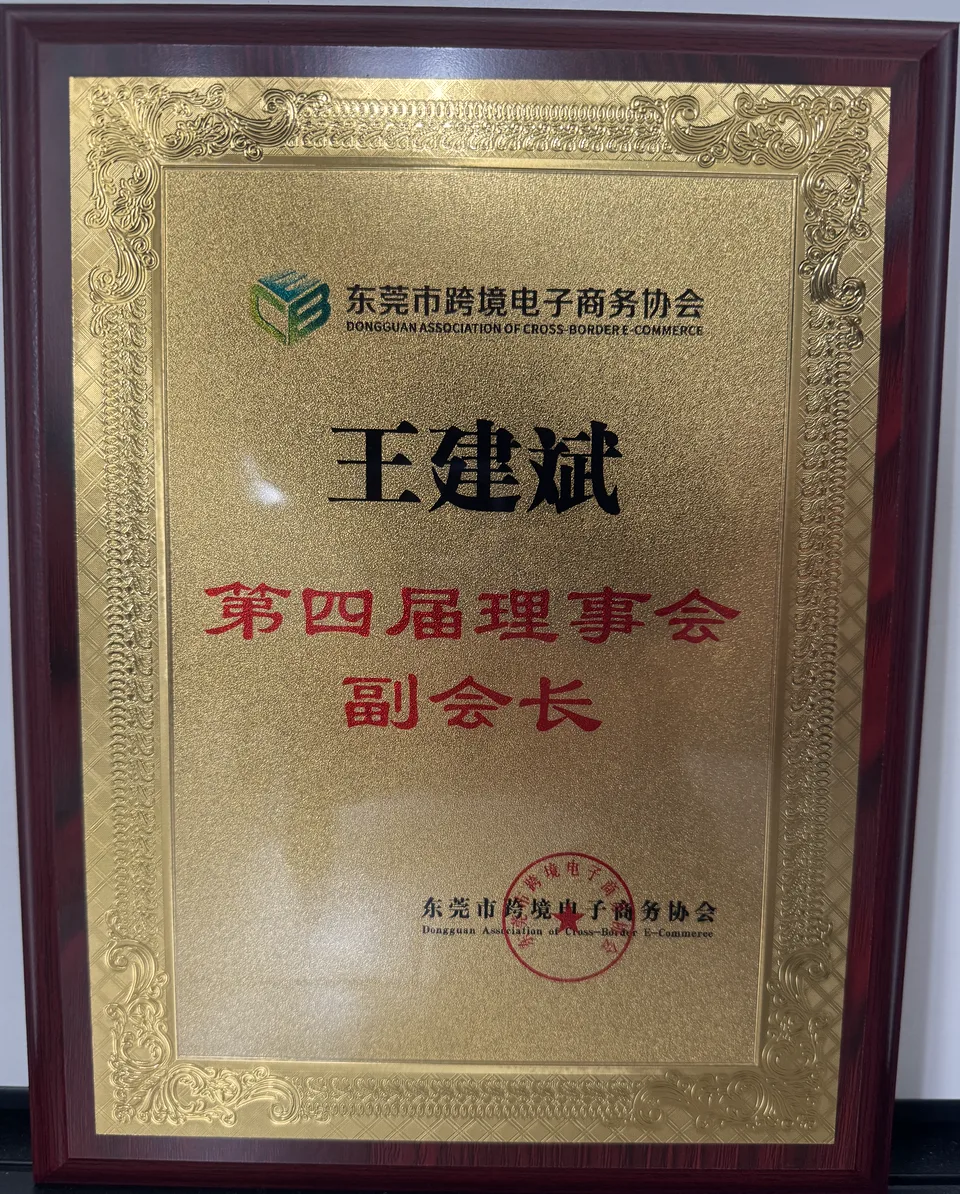
Vice President, 4th CouncilDongguan Association of Cross-Border E-Commerce 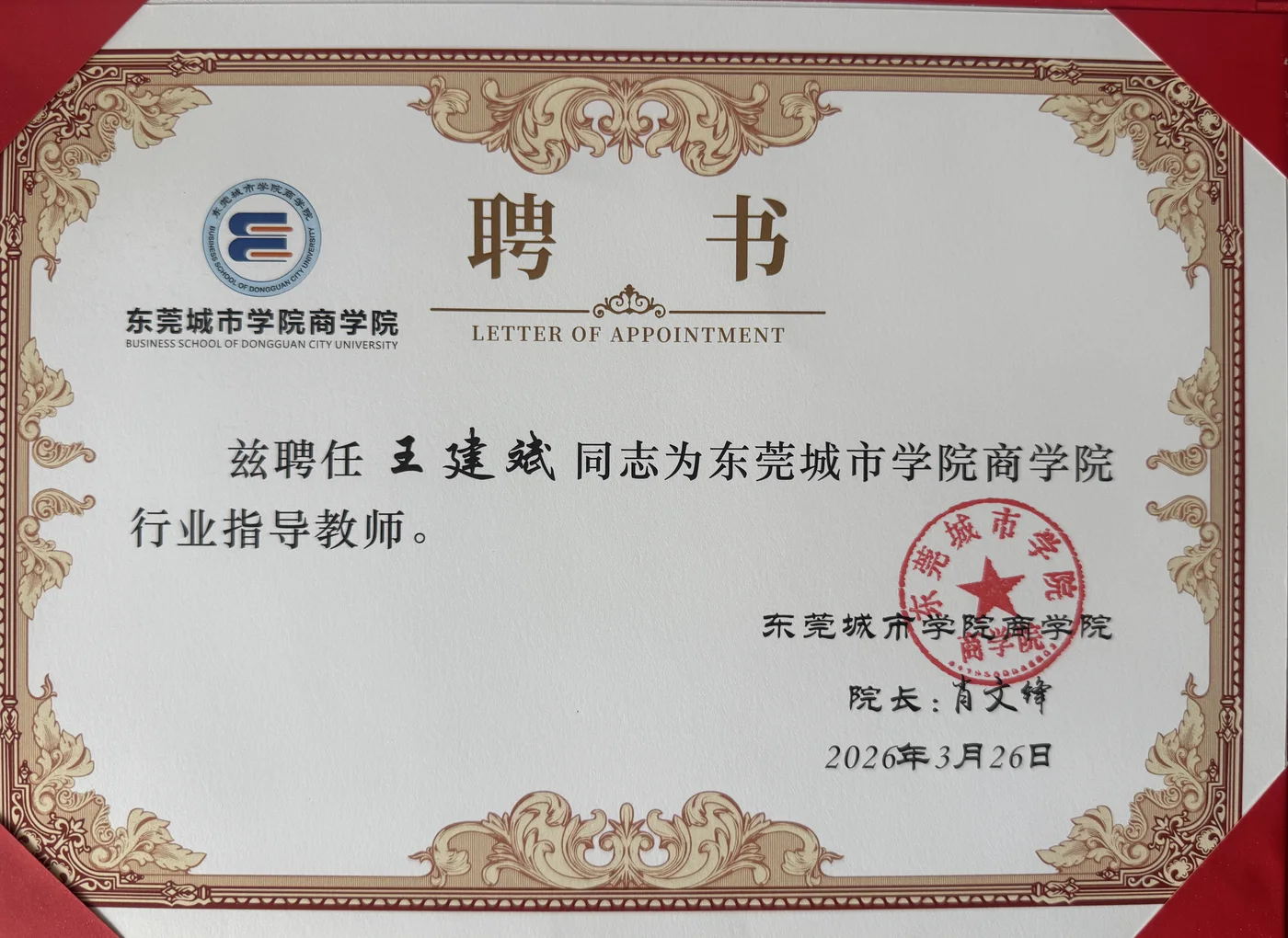
Industry MentorBusiness School, Dongguan City University 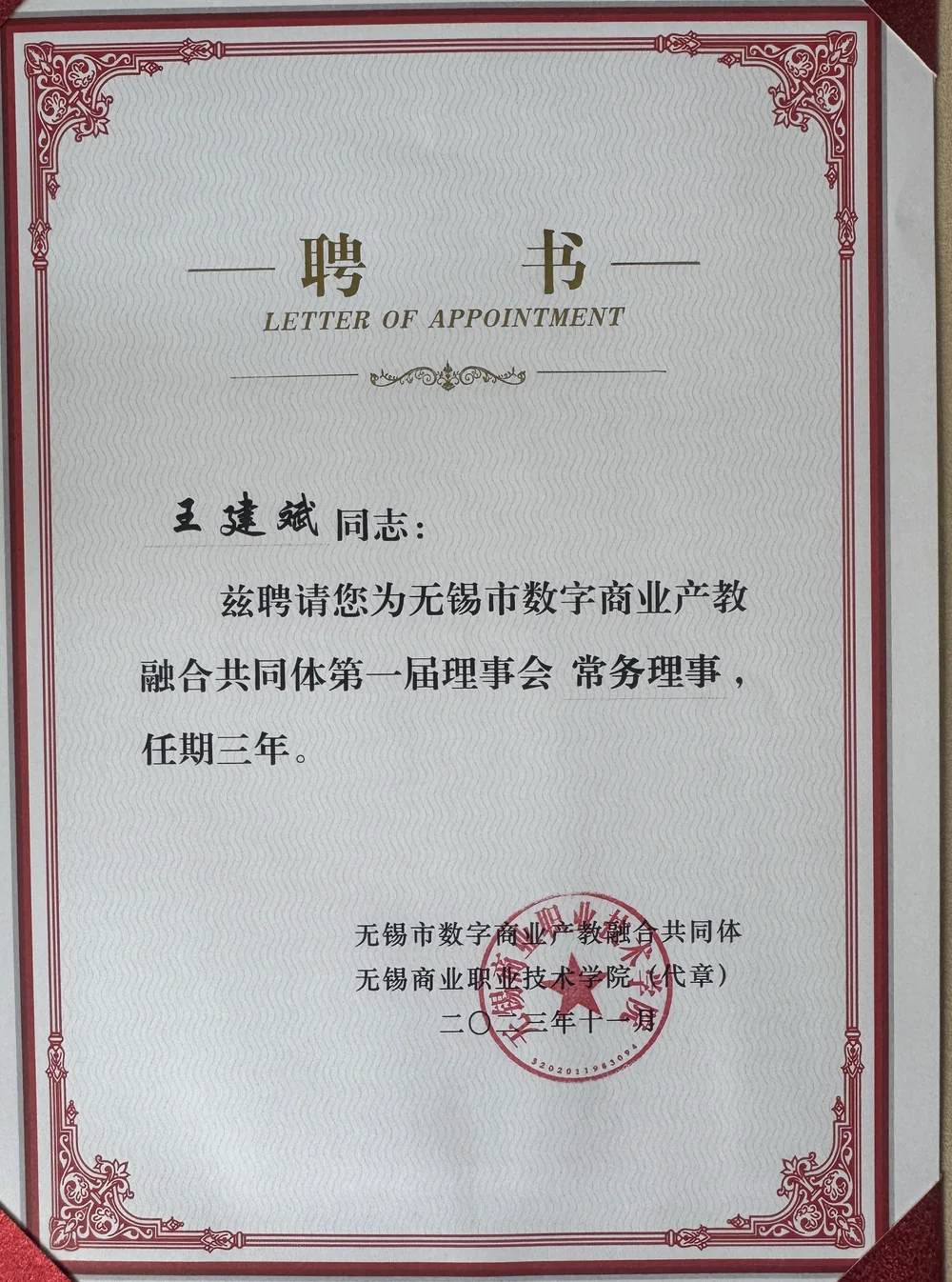
Executive Director, 1st CouncilWuxi Digital Commerce Industry–Education Integration Community 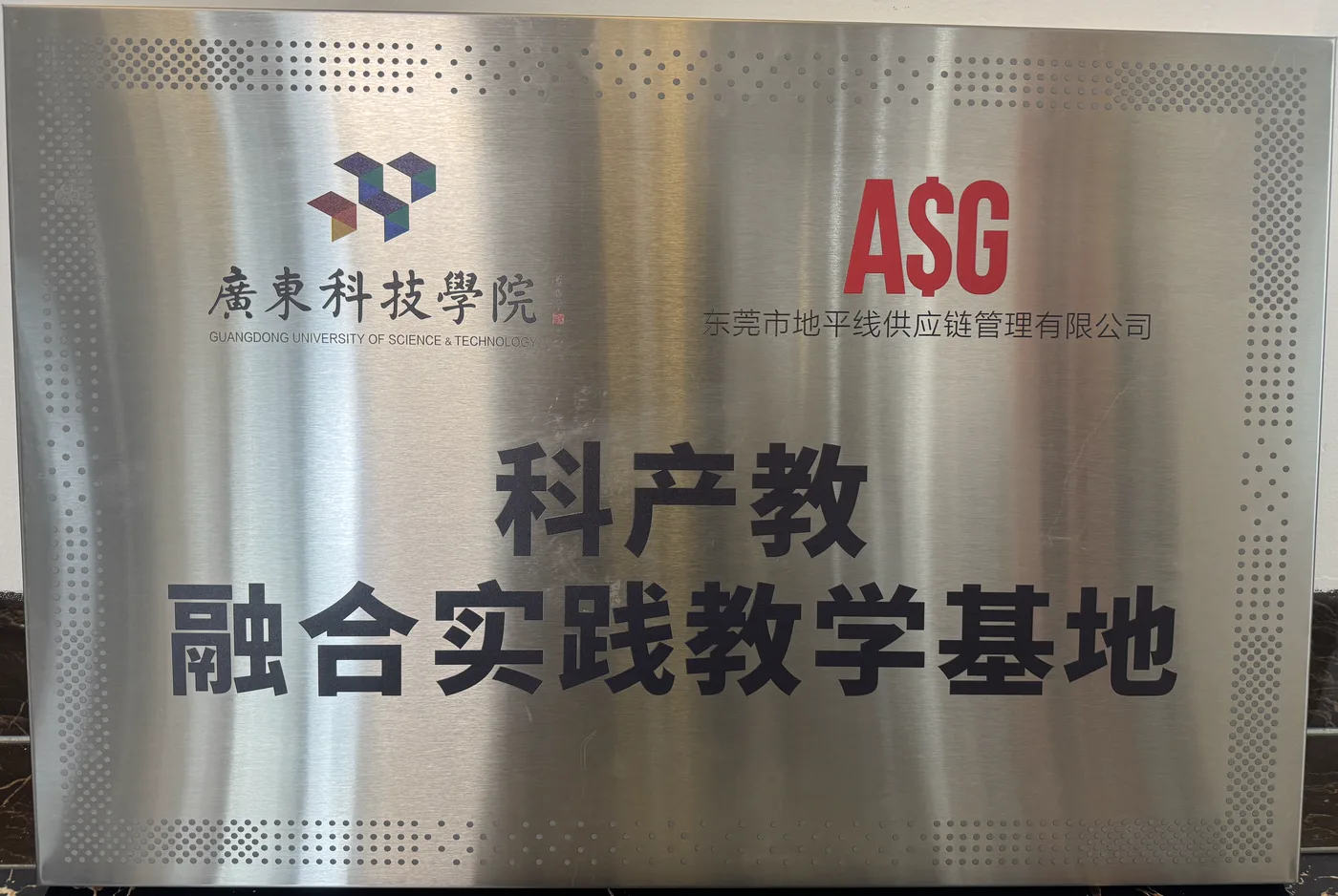
Industry–Education Practice BaseGuangdong University of Science & Technology
Want the ASG team to check this step for your store?
Frequently Asked Questions
What does supplier verification in China actually prove?
It shows that a legal entity, payment beneficiary, site and claimed capability line up with records you have read. It does not prove product quality, delivery, refunds, compliance or that production will match the sample.
Is a verified badge or an audit report enough to place an order?
No. A badge or report is a lead with its own scope and date. It becomes evidence only when entity, site, model, material, scope, market, issuer and validity match the SKU you sell.
How is sample approval different from liking the sample?
Approval is a measurement against a numbered specification, with every deviation recorded and accepted or rejected by a named person. A retained sample without a version reference cannot settle a dispute about a later batch.
What belongs on a trial order scorecard?
Specification conformity, communication, change control, packaging and labelling, inspection access and findings, dated lead-time milestones, and exception handling. Price ranking does not belong on it.
When is a corrective action considered closed?
When the action is complete, the evidence has been reviewed, any required follow-up check has been made, and a named person records the closure with a date. A supplier reply on its own is not closure.
How do I change suppliers without interrupting orders?
Run both routes in parallel. Keep existing stock and open orders shipping, freeze the specification, approve a sample and a trial batch, then check capacity, packaging, labels and logistics before moving volume.