If you have ever spent hundreds of dollars on Facebook ads only to realize your ‘winning’ product was a dud, you know the pain of blind product research. In the hyper-competitive market of 2026, relying on gut feeling is a recipe for bankruptcy. This is where competitive intelligence comes in, specifically through specialized software designed to peel back the curtain on what is actually selling right now.
In this guide, I am going to break down exactly how does work dropshipping spy tool technology and how top-tier sellers use these insights to bypass the trial-and-error phase. We will look at the data scraping methods, the AI-driven trend forecasting, and how you can integrate these tools into your ASG dropshipping workflow to ensure every product you launch has a data-backed foundation for success.
Key takeaways
- Spy tools use automated web scrapers to monitor real-time sales data from Shopify and Amazon stores.
- Ad intelligence features track engagement metrics like likes, shares, and comments to identify viral potential.
- Modern tools utilize machine learning to predict product lifecycles before they hit the saturation point.
- Data accuracy varies between tools; verifying numbers against multiple sources is critical for risk management.
- Integrating spy tool data with a reliable fulfillment partner like ASG is the key to scaling winning products.
The Mechanics of Real-Time Sales Tracking
 The Mechanics of Real-Time Sales Tracking
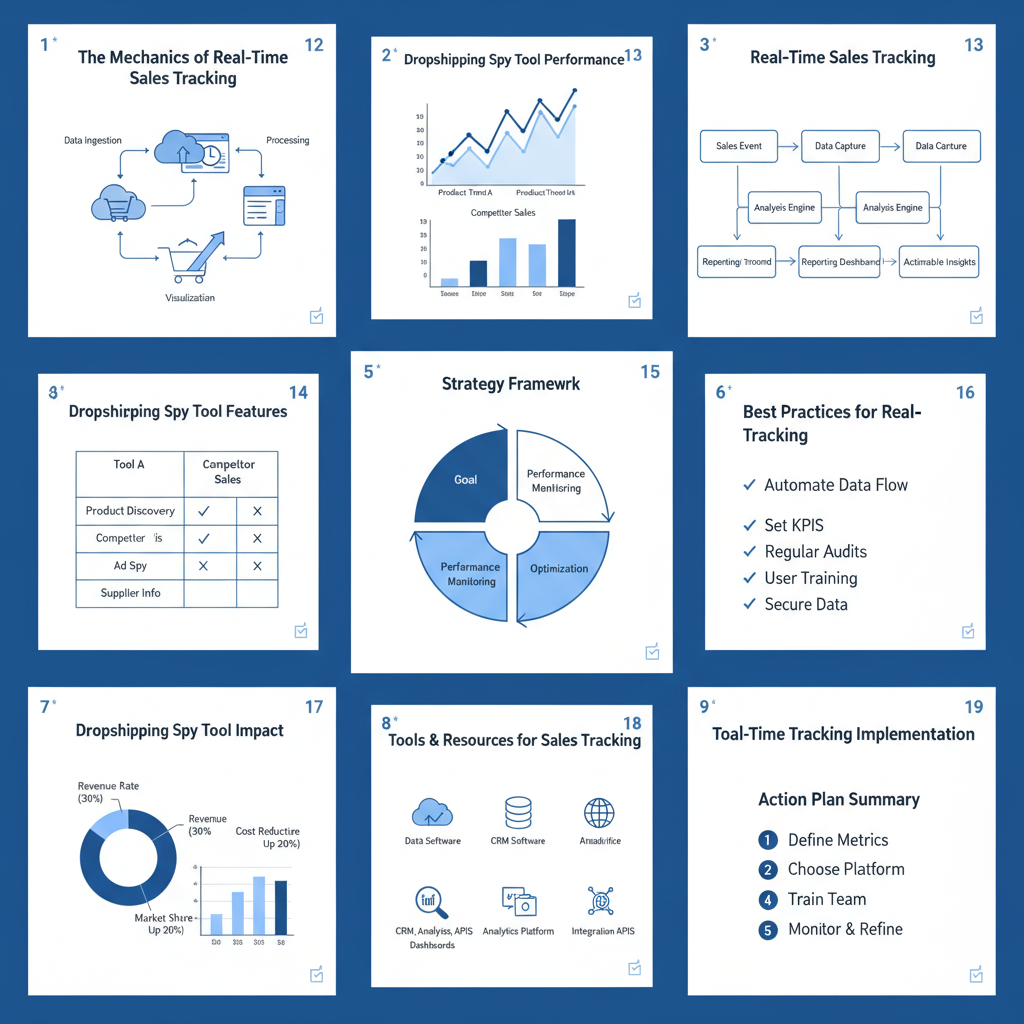
At its core, understanding how does work dropshipping spy tool software requires a look at web scraping. These tools deploy ‘spiders’ or bots that crawl thousands of Shopify-based stores every hour. By monitoring the ‘collections/all?sort_by=best-selling’ URL string, which is a standard feature in the Shopify architecture, these tools can see which items are moving up the rankings. According to BuiltWith, there are millions of active Shopify stores, making manual tracking impossible.
Beyond simple URL monitoring, advanced spy tools hook into the store’s API or use a method called ‘order number tracking.’ By placing a small test order or monitoring the incremental increase in order IDs over 24 hours, the software can estimate daily revenue with surprising accuracy. This allows you to see not just what is popular, but exactly how many units were sold yesterday. This level of transparency is why Gartner highlights competitive intelligence as a top priority for digital retailers in 2026.
Decoding Ad Intelligence and Social Signals
 Decoding Ad Intelligence and Social Signals
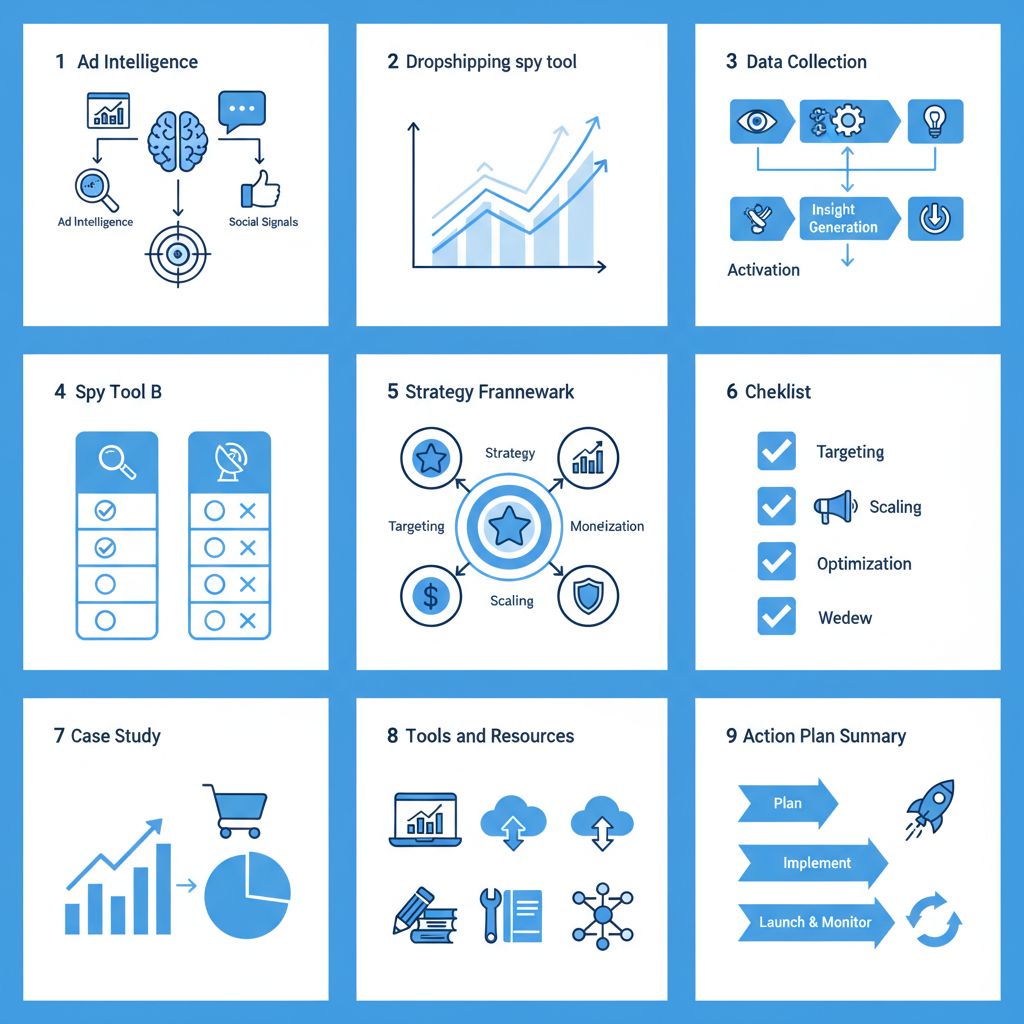
The second pillar of how these tools function is social media monitoring. Most winning products are discovered on TikTok or Facebook before they ever hit a search engine. Spy tools use specialized algorithms to scrape the Meta Ad Library and TikTok Creative Center. They don’t just find ads; they filter them by ‘longevity.’ If an ad has been running for 30 consecutive days, it is almost certainly profitable.
By analyzing the ratio of likes to comments, a how does work dropshipping spy tool algorithm identifies products with high ‘viral coefficients.’ For instance, a product with 10,000 likes but only 5 comments might have fake engagement, whereas one with 500 shares is a sign of genuine organic interest. Research from HubSpot suggests that social proof remains the strongest driver of impulse purchases in e-commerce. These tools essentially automate the process of finding that social proof for you.
Predictive Analytics: Moving Beyond Historical Data
 Predictive Analytics: Moving Beyond Historical Data
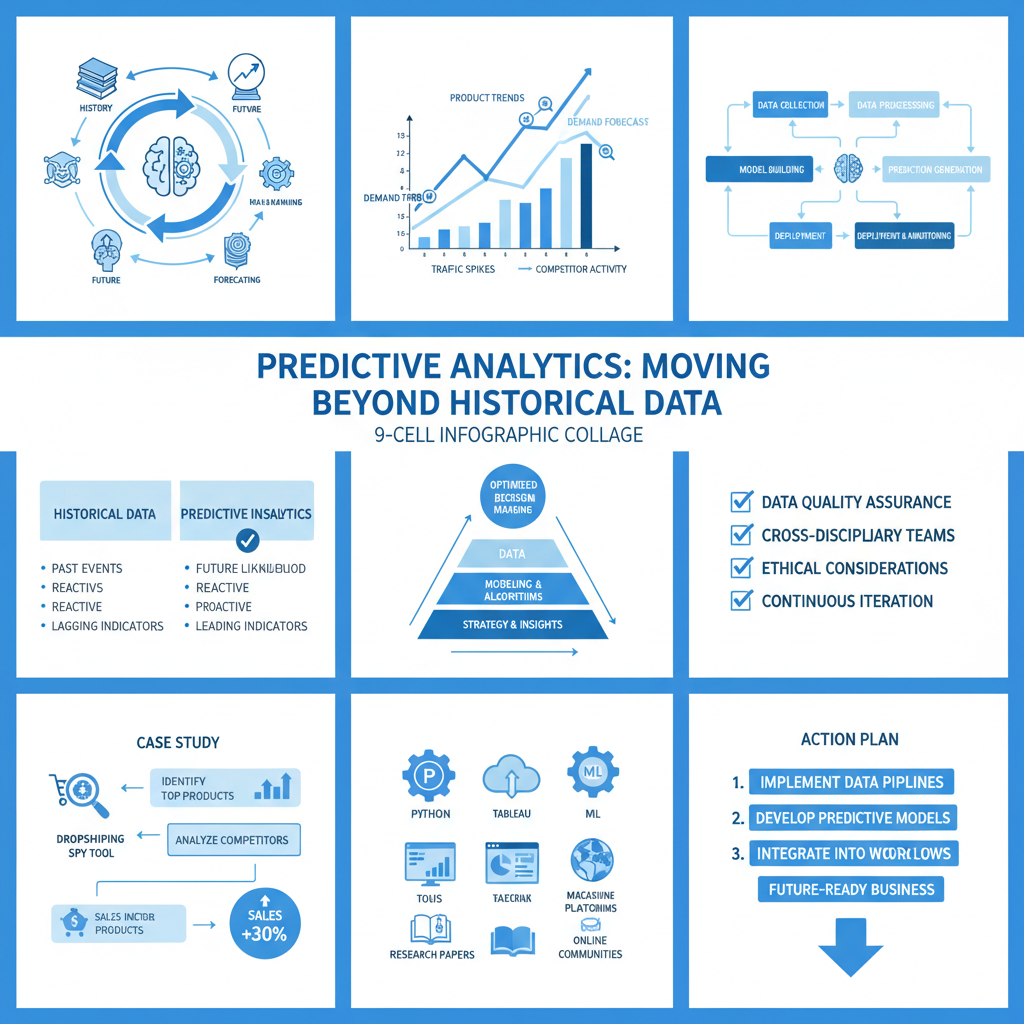
In 2026, the best tools have moved from telling you what sold to what will sell. This involves machine learning models that analyze historical seasonal patterns and search volume trends from Google Trends. By cross-referencing rising search terms with low keyword difficulty, these tools identify ‘blue ocean’ opportunities before the market becomes saturated. This shift is crucial because once a product is on every spy tool’s ‘hot’ list, the profit margins often begin to shrink due to increased ad costs.
Real-World Success: Carlos Silva’s Results with ASG
Carlos Silva, a restaurant server turned entrepreneur, partnered with ASG Dropshipping and achieved:
The approach included using data-driven product selection and ASG’s rapid fulfillment, demonstrating how reliable supply chains turn spy tool data into actual profit. Carlos was able to quit his job because he stopped guessing and started using a verified how does work dropshipping spy tool strategy combined with ASG’s 6-10 day global shipping.
The Role of Store Inspections and Theme Analysis
A often overlooked aspect of how does work dropshipping spy tool functionality is the ‘Store Inspector’ feature. When you find a successful competitor, these tools allow you to ‘X-ray’ their entire business. You can see which Shopify theme they are using, which apps they use for upselling, and even their most recent product additions. This is vital for understanding the ‘why’ behind their success, not just the ‘what.’
According to a study by Baymard Institute, checkout optimization can increase conversions by 35%. By using a spy tool to see which checkout apps your competitors use, you are essentially getting a free lesson in conversion rate optimization (CRO). You can then apply these same settings to your own store, ensuring that once you drive traffic to your winning products, they actually convert into sales.
Comparing Data Sources: Scrapers vs. Direct Integration
Not all spy tools are created equal. Some rely purely on public-facing scrapers, while others use browser extensions to collect ‘crowdsourced’ data. When thousands of users install a spy tool extension, the tool can see exactly what those users are seeing on their Facebook feeds. This provides a more comprehensive view of the ad landscape than a bot could achieve alone. However, this also raises privacy considerations that are increasingly regulated under frameworks like GDPR.
| Feature |
Basic Scraper Tools |
Advanced AI Spy Tools |
| Data Source |
Public URL Scraping |
Browser Extensions + API |
| Update Frequency |
Daily |
Real-time |
| Revenue Accuracy |
+/- 30% |
+/- 10% |
| Ad Insight |
Static Images |
Video + Comment Sentiment |
| Price Point |
$20 – $50/mo |
$150+/mo |
Choosing the right tool depends on your budget and scale. If you are just starting, a basic scraper might suffice to find general trends. However, as you scale your dropshipping” Shopify dropshipping business, the increased accuracy of AI-driven tools becomes necessary to protect your ad spend.
Filtering Out the Noise: Sifting for Gold
The biggest challenge with using these tools is the sheer volume of data. On any given day, a how does work dropshipping spy tool might flag 500 ‘new’ products. Most of these are ‘noise’—products that will fizzle out in a week. To find the gold, you must use filters. Professional sellers filter for ads that have at least 1,000 likes and have been seen by the tool for at least 7 days. This ‘longevity filter’ ensures the product has staying power.
Additionally, you should look for ‘saturation levels.’ Some tools show you how many other stores are currently selling that exact product. If 100 stores are already scaling it, you might be too late. Instead, look for products with high engagement but fewer than 5 competing stores. This is the sweet spot for branding and customization, where you can enter the market with a unique angle before it becomes a price war.
The Ethics and Legal Boundaries of Competitive Spying
While ‘spying’ is the industry term, it is important to understand the legal boundaries. These tools operate by accessing publicly available data. They are not ‘hacking’ into stores. However, copying a competitor’s ad copy or images directly is a violation of copyright law and can lead to ad account bans. The goal of using a how does work dropshipping spy tool should be to find the concept, not to steal the content.
Smart sellers use the data to understand the customer’s pain points. If a competitor’s ad is doing well, look at the comments. Are people complaining about the shipping time? This is your opportunity to partner with ASG and offer faster delivery. Are they asking for a different color? Launch that color. By using competitive intelligence to improve the customer experience rather than just mimicking it, you build a sustainable brand that outlasts the original competitor.
Validating Spy Data with Supply Chain Reality
The final step in the process is validation. Just because a tool says a product is selling doesn’t mean you can source it reliably. Many ‘viral’ products are actually one-off items or have high defect rates. Before you launch, you must check the supply chain feasibility. This is where ASG’s integration becomes vital. We can verify if the factory actually has stock and if the quality matches the viral videos.
Don’t let the shiny numbers in a spy tool blind you to the logistics. A product with a 50% profit margin on paper is useless if the return rate is 20% due to poor quality. Use the spy tool to find the spark, but use your fulfillment partner to build the fire. By combining high-tech competitive intelligence with boots-on-the-ground quality control, you create a moat around your business that a tool-only seller can never cross.
About the Author
I am the Founder and CEO of ASG Dropshipping, a company that provides end-to-end supply chain and logistics services for global e-commerce sellers.
With over 8 years of experience in dropshipping and the Shopify ecosystem, I lead a team of more than 200 professionals, working with over 2,300 factories and managing a catalog of more than 1.4 million products.
I also serve as a guest professor at three universities in China, where I share practical insights on cross-border e-commerce, supply chain management, and global trade.
Outside of business, I’m a rock singer and guitarist who enjoys performing on stage.
Sources and further reading (selected)