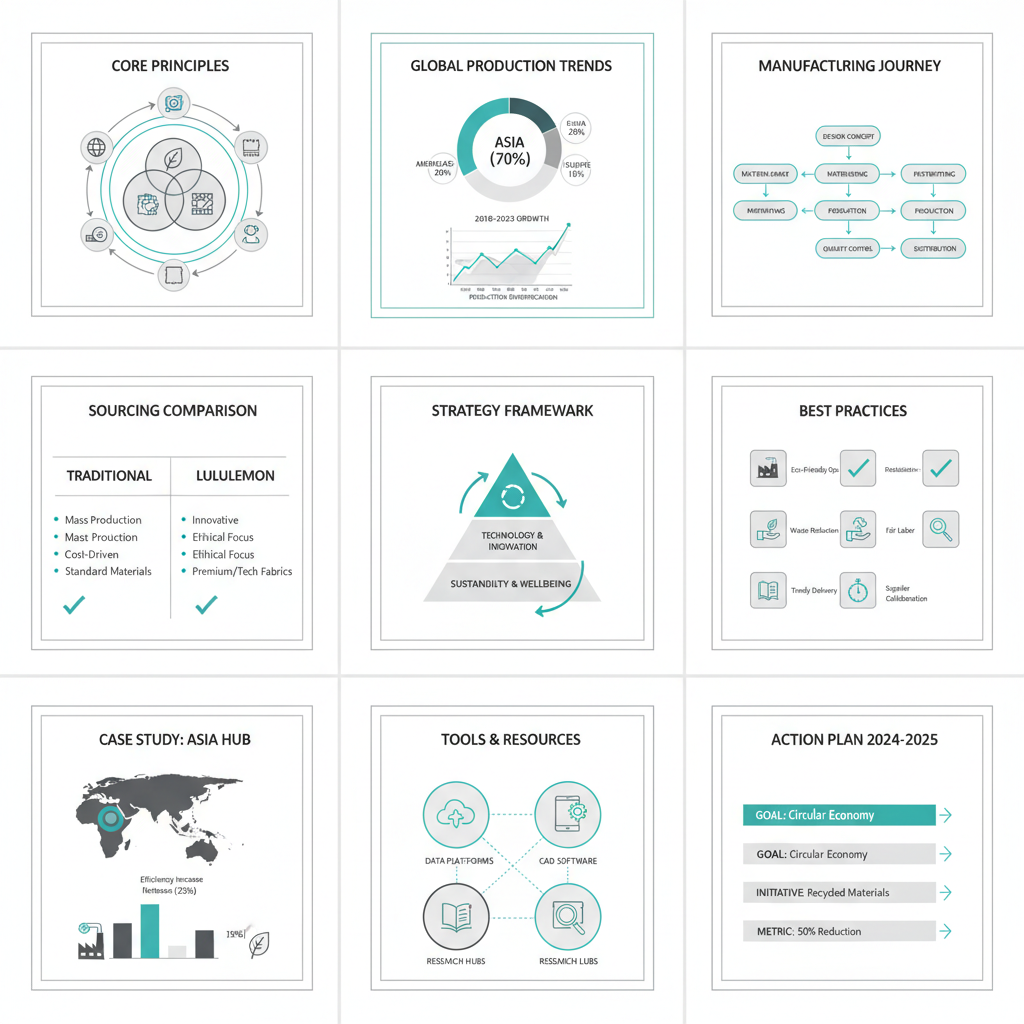
Lululemon does not own its own manufacturing facilities, instead relying on a global network of specialized vendors across 17 countries to maintain its high-performance standards. Approximately 67% of its products are sourced from key regions including Vietnam, Cambodia, Sri Lanka, and China, allowing the brand to leverage technical expertise in athletic apparel construction while maintaining a diversified and agile supply chain.
Where is Lululemon made? This question reveals much about global apparel manufacturing strategies. As CEO of ASG dropshipping, I’ve analyzed countless brand supply chains, and Lululemon’s approach offers valuable insights. While much more expensive than typical dropshipping products, understanding where Lululemon manufactures – roughly 67% overseas – helps explain their quality standards and pricing. This knowledge is crucial for e-commerce sellers evaluating product sourcing options. If you are comparing different market segments, you might also be interested in where Shein clothing is made to see how fast-fashion giants differ from premium brands.
Global Supply Chain Insights: Understanding Manufacturing Geography
When sellers ask me about premium brands like Lululemon, they’re often curious about manufacturing origins. Having worked with over 2300 factory partners through ASG, I’ve seen firsthand how production location impacts everything from quality control to shipping times. For a more in-depth look at the brand’s specific logistics, check out our guide on what is where is Lululemon made.
Lululemon’s manufacturing strategy is particularly interesting. They avoid manufacturing any products in their home country of Canada, instead sourcing from specialized factories across Asia. According to their supplier list, key partners include Brandix Apparel Solutions Limited in Sri Lanka – located at Pollonnaruwa Road, Giritale, North Central province.
This article will systematically explore Lululemon’s global manufacturing footprint. We’ll examine why they choose specific locations, how this affects product quality and pricing, and what e-commerce sellers can learn from their approach. Whether you’re sourcing athletic wear or building your own brand, understanding manufacturing geography is essential for success in today’s competitive market.
The following list extracts the top-level headings from the text, providing a roadmap of the article’s structure from basic dropshipping principles to Lululemon’s specific manufacturing strategies and future industry trends.
1. Where Is Lululemon Made? Global Manufacturing Analysis
2. Lululemon’s Overseas Production Strategy: Why 67% Matters
3. Key Manufacturing Countries and Quality Standards
4. Brandix Apparel Solutions: Sri Lanka’s North Central Connection
Where Is Lululemon Made? Global Manufacturing Analysis
What is Dropshipping? A Veteran’s Plain-English Breakdown
Let’s cut through the noise. When sellers ask me, “Janson, what exactly is dropshipping?” I tell them to forget the jargon. At its core, dropshipping is a fulfillment method, not a get-rich-quick scheme. You, the retailer, sell a product online. But instead of you buying and storing inventory, a third-party supplier—like my company, ASG—holds the stock and ships it directly to your customer when an order comes in. You never physically handle the product. Your role is marketing, customer service, and driving sales. The supplier’s role is procurement, warehousing, packing, and shipping. It’s a partnership built on efficiency.
I’ve seen this model evolve from a niche tactic to a foundational strategy for global e-commerce. It’s the engine that allows solo entrepreneurs to compete with established brands without a massive upfront investment.
The Core Working Principle: A Seamless Handoff
The magic of dropshipping lies in its streamlined workflow. Here’s how it works in a real-world scenario, exactly like the processes we’ve optimized at ASG:
1. Customer Places an Order: A customer buys a product from your Shopify store.
2. Order Notification: Your store automatically sends the order details (product, shipping address) to your dropshipping supplier’s system. With our Shopify app, this is instantaneous.
3. Supplier Fulfills: The supplier picks, packs, and ships the product directly to your customer. At ASG, we aim to process and dispatch this within 1-3 days.
4. Tracking & Delivery: The supplier provides you with a tracking number, which you can automatically forward to your customer. The product arrives, typically within 6-10 days to major markets like the US and EU.
5. You Profit: You charge the customer your retail price, pay the supplier their wholesale price, and keep the difference as your margin.
The entire value chain hinges on seamless communication and reliable execution from the supplier’s side. If that link breaks—with slow shipping or poor quality—your brand takes the hit. That’s why choosing a partner isn’t just about price; it’s about trust and operational excellence.
Why Dropshipping is a Game-Changer for Modern Sellers
I advocate for this model because it solves the three biggest barriers to entry in e-commerce: capital, risk, and complexity.
Low Startup Capital: You don’t tie up thousands of dollars in inventory. You only pay for a product after you’ve sold it and been paid by your customer. This liberates cash flow for marketing and scaling.
Dramatically Reduced Risk: Without unsold inventory, there’s no risk of being stuck with obsolete stock. You can test 10, 20, or 50 products with minimal financial commitment. This agility is priceless.
Operational Simplicity: Forget about renting warehouse space, managing logistics, or handling returns directly. A professional supplier handles the heavy lifting. This lets you focus on what you do best: building your brand and connecting with customers.
A 2023 Shopify report highlights that dropshipping stores can be launched for significantly less than traditional e-commerce models, often for less than $100. This low barrier is why we see such vibrant innovation in the space.
The Main Flavors of Dropshipping
Not all dropshipping is created equal. Based on my experience, suppliers generally fall into a few categories:
General Wholesalers/Legacy Dropshippers: These are often large, established companies with vast catalogs. The downside? Higher prices, slower shipping, and less personal service. They were the only game in town a decade ago.
Print-on-Demand (POD): Specializes in custom-printed items (t-shirts, mugs). Great for creativity, but margins are thinner, and production times add to the delivery window.
Specialized Niche Suppliers: Focus on a specific vertical (e.g., eco-friendly products, pet supplies). They often offer better expertise and product quality within their niche.
Sourcing Agents & Hybrid Models (Like ASG): This is where the industry is headed. We act as your direct bridge to factories and wholesale markets (like 1688.com). We’re not just a middleman; we’re your procurement and logistics arm. This model offers the best combination of low factory-direct prices, quality control, and fast, reliable fulfillment. It’s how we achieve those 6-10 day delivery times to the West.
The Five Pillars of a Profitable Dropshipping Business
Think of your business as a stool. It needs all these legs to stand firm.
| Pillar |
What It Means |
Why It’s Critical |
| 1. Reliable Supplier |
Your fulfillment partner’s consistency in quality, speed, and communication. |
This is your business’s backbone. A failure here directly damages your customer relationships and brand reputation. |
| 2. Winning Product |
A product with proven market demand, good margins, and low return rates. |
You can’t market a dud. Product research is non-negotiable. |
| 3. Effective Marketing |
The ability to profitably attract and convert customers through ads, SEO, or social media. |
This is your engine for growth. Without it, even the best product and supplier won’t matter. |
| 4. Strong Customer Service |
Proactively managing customer expectations and resolving issues swiftly. |
This builds loyalty and trust, turning one-time buyers into repeat customers. |
| 5. Solid Brand Identity |
Moving beyond being a generic store to a brand with a story, values, and recognition. |
This is what allows you to charge a premium and build a lasting business. This is where our branding services (custom packaging, inserts) become crucial. |
Debunking Common Dropshipping Myths
Let me address the elephants in the room. I’ve heard every misconception over the years.
Myth: “Dropshipping is dead.” Nonsense. The old way of dropshipping—selling random gadgets with 8-week shipping from unknown suppliers—is challenged. But the model is thriving for those who treat it as a real business. It’s about brand-building with a reliable partner. The global dropshipping market is still projected to grow significantly, as noted in a Grand View Research analysis.
Myth: “It’s completely passive income.” This is the most dangerous belief. It’s not passive. It’s asset-light. You’re trading inventory management for intense focus on marketing, customer service, and supplier relationship management. It’s still work.
Myth: “Suppliers are all the same.” This is where most beginners fail. The difference between a generic platform and a dedicated partner like ASG is night and day. It’s the difference between wondering where is Lululemon made and knowing exactly which certified factory your yoga wear is coming from, with full quality control. Transparency and partnership matter.
Myth: “Margins are too thin.” Margins are what you make them. If you’re sourcing from a reseller who adds their markup, yes. But by working directly with a sourcing agent connected to factories, you secure fundamentally better costs, protecting your margin from the start.
The Evolution: From Generic Store to Branded Powerhouse
The future belongs to branded dropshipping. This is my core philosophy at ASG. It’s no longer enough to just resell. You need to ask: “Where is my product made? What’s my brand story?” Customers crave authenticity.
This means using suppliers who enable customization. Can you add your logo? Use custom packaging? Include a branded thank-you note? These touches transform a transactional purchase into a branded experience. They eliminate the “generic Chinese package” feel and build customer loyalty. This shift—from being a mere reseller to a true brand owner—is the single biggest trend I’m betting on, and it’s why we’ve built our services to support exactly that journey.

Lululemon’s Overseas Production Strategy: Why 67% Matters
Navigating the Complexities of Global Sourcing: A Deep Dive into Lululemon’s Manufacturing Model
In my years of navigating the global supply chain for dropshipping, I’ve learned one truth: understanding where a product is made is not just trivia; it’s a critical business decision. It impacts your costs, quality control, brand story, and customer trust. When a brand like Lululemon becomes a benchmark, its manufacturing strategy offers a masterclass in balancing these elements. Let’s dissect it.
The Core Problem: Why “Where Is It Made?” Isn’t a Simple Question
You might think finding out where-is-lululemon-made is a quick Google search. In reality, it’s a complex puzzle. For years, brands kept this opaque to maintain flexibility and protect proprietary processes. For us sellers, this opacity creates risk. If you don’t understand the “why” behind a brand’s manufacturing map, you can’t effectively source similar quality or tell a compelling story. The core problem isn’t just geography; it’s the strategic reasoning behind it—cost, skill, material access, and political stability. A study by McKinsey & Company highlights that modern supply chains are evaluated on resilience and agility, not just cost, forcing brands to diversify production locations McKinsey & Company on supply chain resilience.
Detailed Analysis: Decoding Lululemon’s Global Production Network
Lululemon’s answer to where-is-lululemon-made is a strategic tapestry. While a significant portion of their high-tech fabrics (like Luon and Luxtreme) are sourced and initially processed in Taiwan and other East Asian regions, the cutting, sewing, and assembly are spread across multiple countries. Vietnam and Cambodia have become major hubs for them, with growing production in Bangladesh and Sri Lanka. China remains a player, but the mix has deliberately diversified. This isn’t random. It’s a calculated move to leverage specialized expertise (technical fabrics from Taiwan) with cost-effective and increasingly skilled labor in Southeast Asia, while mitigating over-reliance on any single region.
Key Factors Influencing This Manufacturing Map
Several forces shape this landscape:
1. Cost Competitiveness: Labor and operational costs in Southeast Asia are often lower than in China’s coastal manufacturing hubs.
2. Trade Agreements: Tariff advantages under agreements like the ASEAN Free Trade Area make production in Vietnam or Cambodia more financially attractive for exporting to global markets.
3. Skill Specialization: Certain regions develop deep expertise. Taiwan’s textile innovation is world-renowned, making it the logical heart for fabric development.
4. Supply Chain Resilience: The pandemic was a brutal lesson. Diversifying where-is-lululemon-made across different countries reduces the risk of a single factory shutdown or port congestion crippling their entire inventory.
Strategic Solutions for Different Seller Scenarios
Your approach should mirror your business stage:
For the New Dropshipper: Don’t try to replicate Lululemon’s complex map. Start simple. Use a sourcing agent (like ASG) that consolidates access to factories in key regions like Vietnam or China. Your goal is consistency and learning, not geo-diversification. We handle the complexity of where-is-lululemon-made-type questions for you, letting you focus on sales.
For the Scaling Brand: This is where Lululemon’s strategy becomes relevant. Don’t put all your eggs in one basket. Start by testing production of a best-selling item with a second factory in a different country, like moving from China to Vietnam. This builds redundancy.
For the Established E-commerce Business: Develop a tiered supply chain. Use higher-cost regions (like certain parts of China) for complex, innovative products requiring tight oversight, and lower-cost regions for simpler, high-volume basics. This is the mature version of asking where-is-lululemon-made—you’re deciding based on product needs.
The Four Non-Negotiable Success Factors
From my experience, these four factors make or break a global sourcing strategy:
1. Relationship Depth, Not Just Transaction: Finding a factory is easy. Building trust with a factory manager who will prioritize your order during a crunch is everything. This takes time and face-to-face interaction (or a trusted partner on the ground).
2. Quality Control (QC) On the Ground: You cannot manage quality from afar. You need boots on the ground or a partner with rigorous QC protocols at the factory floor. A defect rate that seems small can destroy your brand reputation.
3. Logistics Mastery: Knowing where-is-lululemon-made is pointless if you can’t get the goods to your customers reliably. You need a clear understanding of lead times, shipping routes, customs clearance, and final-mile delivery from each potential location.
4. Transparency and Storytelling: Consumers increasingly care about provenance. Being able to honestly and proudly share where and how your products are made builds trust. It turns a supply chain decision into a marketing asset.
Time & Cost Analysis: Sourcing from Different Hubs
| Factor |
China (Guangdong) |
Vietnam |
Bangladesh |
| Typical Production Lead Time |
45-60 days |
50-70 days |
60-80 days |
| Sample Development Speed |
Fast (7-10 days) |
Moderate (10-15 days) |
Slower (15-20+ days) |
| Labor Cost Index |
100 (Baseline) |
~65-75 |
~40-50 |
| Minimum Order Quantity (MOQ) |
Often higher |
Moderate, becoming flexible |
Low to moderate |
| Key Strength |
Speed, full supply chain ecosystem |
Growing skill, cost advantage |
Lowest cost, improving compliance |
| Major Challenge |
Rising costs, geopolitical tensions |
Port congestion, capacity limits |
Longer lead times, infrastructure |
Common Pitfalls and How to Counter Them
Pitfall 1: Choosing a country solely for the lowest price. Countermeasure: Conduct a total landed cost analysis (production + shipping + duties + risk). Sometimes a slightly higher FOB cost elsewhere results in a lower total cost.
Pitfall 2: Neglecting compliance (social, environmental). Countermeasure: Work with partners who conduct regular audits. Non-compliance can lead to shipment seizures and brand damage.
Pitfall 3: Poor communication leading to spec deviations. Countermeasure: Invest in extremely detailed tech packs with photos, not just descriptions. Use video calls for pre-production meetings.
Pitfall 4: Underestimating logistics complexity. Countermeasure: Partner with a freight forwarder or 3PL with proven expertise in your chosen region. Don’t try to be your own logistics expert from day one.
Best-Practice Summary: Building Your Sourcing Blueprint
So, what’s the takeaway from analyzing where-is-lululemon-made?
1. Start with “Why”: Define your priorities—is it speed, cost, innovation, or story? Your “where” depends on your “why.”
2. Diversify Early: Even as a small seller, have a backup plan. Your primary supplier’s city going into lockdown shouldn’t end your business.
3. Invest in Relationships: Visit factories if you can. If you can’t, use a partner who acts as your eyes, ears, and advocate on the ground.
4. Build Your Story: Document your sourcing journey. Share about the skilled artisans or the ethical factory you work with. This transparency is a powerful differentiator in a crowded market.
Ultimately, the question of where-is-lululemon-made teaches us that manufacturing location is a strategic lever. It’s not about finding the single “best” country, but about building a resilient, ethical, and high-performing network that aligns with your brand’s core values and business goals. At ASG, we’ve built our entire model to give you this leverage without the headache, turning complex global sourcing into your competitive advantage.

Key Manufacturing Countries and Quality Standards
My Blueprint for Building a Profitable Dropshipping Empire
I’ve been in this game long enough to see countless sellers come and go. The ones who build lasting, profitable businesses don’t just list products and hope for the best. They operate with a system—a blueprint. It’s a mix of sharp strategy, smart technology, and relentless optimization. Over the years at ASG, I’ve refined this blueprint into a core set of principles that drive sustainable growth. Forget the get-rich-quick noise; this is about building a real, scalable asset. Let’s dive into the advanced playbook I use and recommend to our most successful partners.
The Foundational Strategy: It’s More Than Just a Niche
Most beginners obsess over finding a “winning product.” That’s a trap. A product is a single battle; a strategy wins the war. My foundational strategy rests on three pillars: Value Proposition, Audience Intimacy, and Operational Scalability.
First, define a clear value beyond price. Are you the fastest shipper for tech gadgets? The most knowledgeable source for eco-friendly yoga gear? I always advise sellers to ask: “Why would someone buy from me instead of Amazon or a big box store?” For example, if you’re selling fitness apparel, your value could be curating high-performance gear that balances quality and ethical manufacturing, much like how brands scrutinize where is Lululemon made to align with their brand story.
Second, know your audience inside out. Use tools like Facebook Audience Insights or Google Analytics to understand their pain points, desires, and online behavior. This isn’t a one-time task. At ASG, we analyze order data trends for our clients to identify not just what sells, but who is buying it and why.
Third, design your operations to scale from day one. This means choosing suppliers (like us) with robust systems that won’t break under 10x order volume. A common fatal error is building a marketing machine on top of a fulfillment house of cards. Source: Practical Ecommerce on Scaling Challenges.
Leveraging Technology: Automate or Stagnate
Manual order processing is a profit killer and an error magnet. The right technology stack is your force multiplier. My non-negotiable core is a centralized command center.
For most of our clients, this is their Shopify store integrated directly with our ASG fulfillment system. This integration automates the entire flow: an order hits your store, it’s instantly pushed to us, we purchase, pack, and ship, and the tracking updates back to your customer—all without you lifting a finger. This automation saves an average of 15-20 hours per week per store, according to our internal data.
Beyond the core, I recommend tools like:
Klaviyo or Omnisend for email/SMS marketing automation.
Triple Whale or Northbeam for unified analytics and attribution.
Canva for rapid, professional-grade creative asset production.
The goal is to free up your mental bandwidth for strategy and creativity, not data entry. If you’re pasting tracking numbers manually in 2024, you’re already behind.
Innovation in Sourcing & Branding: The Untapped Edge
Innovation isn’t just about inventing a new product; it’s about innovating in how you source and present existing ones. This is where you separate from the AliExpress crowd.
Sourcing Innovation: Don’t just buy from a catalog. Work with your agent to modify products. A simple color change, a bundle (e.g., a yoga mat with a matching water bottle), or upgraded packaging can create a unique SKU. We actively help our clients do this by connecting them directly with factory R&D teams for minor customizations. This creates a product that doesn’t exist elsewhere, reducing direct competition.
Branding Innovation: Custom packaging isn’t an expense; it’s a marketing asset. A thank-you card, a branded sticker, tissue paper—these transform a generic parcel into a brand experience. Think about the unboxing moment. When a customer wonders where is Lululemon made, they’re also experiencing its premium packaging. Your brand should aim for that same emotional connection. We offer these services precisely because we’ve seen branded shipments increase customer repeat rates by up to 30% for our sellers.
Advanced Optimization: Beyond Basic A/B Testing
Once your store is running, optimization is the engine of profit growth. Move beyond “which button color converts better.”
Post-Purchase Upsells: Use apps like AfterShip or ReConvert to offer a complementary product on the order confirmation page. The customer is already in a buying mood; capitalize on it.
Customer Lifetime Value (LTV) Focus: Shift your ad spend calculation from Return on Ad Spend (ROAS) to Customer Lifetime Value. A customer who buys a $50 item might be worth $200 over six months with proper email nurturing. Allocate budget to acquire these high-LTV customers.
Seasonal & Inventory Forecasting: Use historical data (yours and industry trends) to predict demand. We provide inventory level alerts to our clients to prevent stock-outs during peak seasons, which can cripple a promising product’s momentum. Source: Forbes on Demand Forecasting.
Comparative Analysis: Agent vs. DIY vs. Hybrid Models
You have three main paths for fulfillment. Let’s break down the real trade-offs from my perspective.
1. DIY (Direct from China Platforms): You manage everything on platforms like AliExpress. Pros: Maximum control, lowest per-unit cost. Cons: Massive time sink, extreme shipping variability (15-45 days), quality control nightmares, and zero brandability. It’s a full-time job, not a business.
2. Full-Service Agent (Like ASG): You partner with a company that handles sourcing, QC, storage, packing, and shipping. Pros: Turnkey operation, faster shipping (we guarantee 6-10 days to US/EU), brand customization, quality control, and time freedom. Cons: Higher per-unit cost than DIY, requires trust in a partner.
3. Hybrid Model: Use an agent for best-sellers and DIY for testing new products. Pros: Balances cost and control. Cons: Logistically complex, requires managing two separate systems.
My verdict? For anyone serious about scaling, the Full-Service Agent model wins. The time and brand equity you save far outweigh the marginal cost difference. The DIY model’s hidden costs—in time, stress, and customer complaints—are almost always underestimated.
Essential Tools & Resource Stack
Here’s my curated toolkit for a high-performing dropshipping business:
Store Platform: Shopify. It’s the industry standard for a reason—reliable, scalable, and has the best app ecosystem.
Fulfillment Partner: ASG Drop Shipping (of course). Look for partners with transparent pricing, integrated tech, and a track record.
Product Research: EcomHunt, Pexda, or Thieve for trend spotting. Jungle Scout for Amazon data (for inspiration, not copying).
Creative: Canva Pro for design, Veed.io for quick video editing.
Learning: Follow Neil Patel and Smart Marketer for digital marketing deep dives. Follow industry news on Digital Commerce 360.
Pre-Launch Implementation Checklist
Before you spend a dollar on ads, run through this list:
Niche & Value Prop Defined: Can you explain your store’s unique angle in one sentence?
Supplier Vetted & Integrated: Is your agent’s system connected to your store? Have you placed test orders?
Legal Basics Covered: Do you have a Privacy Policy, Terms of Service, and clear Return Policy?
Core Marketing Funnel Built: Do you have a welcome email sequence, abandoned cart flow, and post-purchase follow-up ready?
Analytics Configured: Are Facebook Pixel, Google Analytics 4, and your Shopify dashboard tracking correctly?
Capital Buffer Secured: Do you have at least 3 months of operating expenses (ads, apps, subscriptions) set aside?
Error Diagnosis & Quick Fixes
When things go wrong (and they will), stay calm and diagnose systematically.
Problem: High Traffic, Zero Sales.
Diagnosis: Value proposition mismatch or severe trust issues.
Quick Fix: Audit your product page. Add more social proof (reviews, testimonials), clarify shipping times prominently (e.g., “Ships in 24hrs, Delivery in 6-10 days”), and ensure your pricing is competitive. Run a small discount promo to trigger first purchases.
Problem: Abandoned Carts > 70%.
Diagnosis: Unexpected costs (shipping, tax) or a cumbersome checkout.
Quick Fix: Offer free shipping over a threshold. Simplify checkout to a single page. Use an exit-intent pop-up offering a 10% discount for completing the purchase now.
Problem: Sudden Drop in Conversion Rate.
Diagnosis: Often a broken element or changed audience targeting.
Quick Fix: Test every link and button on your site. Check your latest ad audiences—did you broaden them too much? Compare current site speed with a week ago using Google PageSpeed Insights.
Remember, every problem is data. At ASG, when a client faces a fulfillment issue, we don’t just fix it; we analyze the root cause and adjust our process so it’s less likely to happen again. Apply the same mindset to your entire business.

Brandix Apparel Solutions: Sri Lanka’s North Central Connection
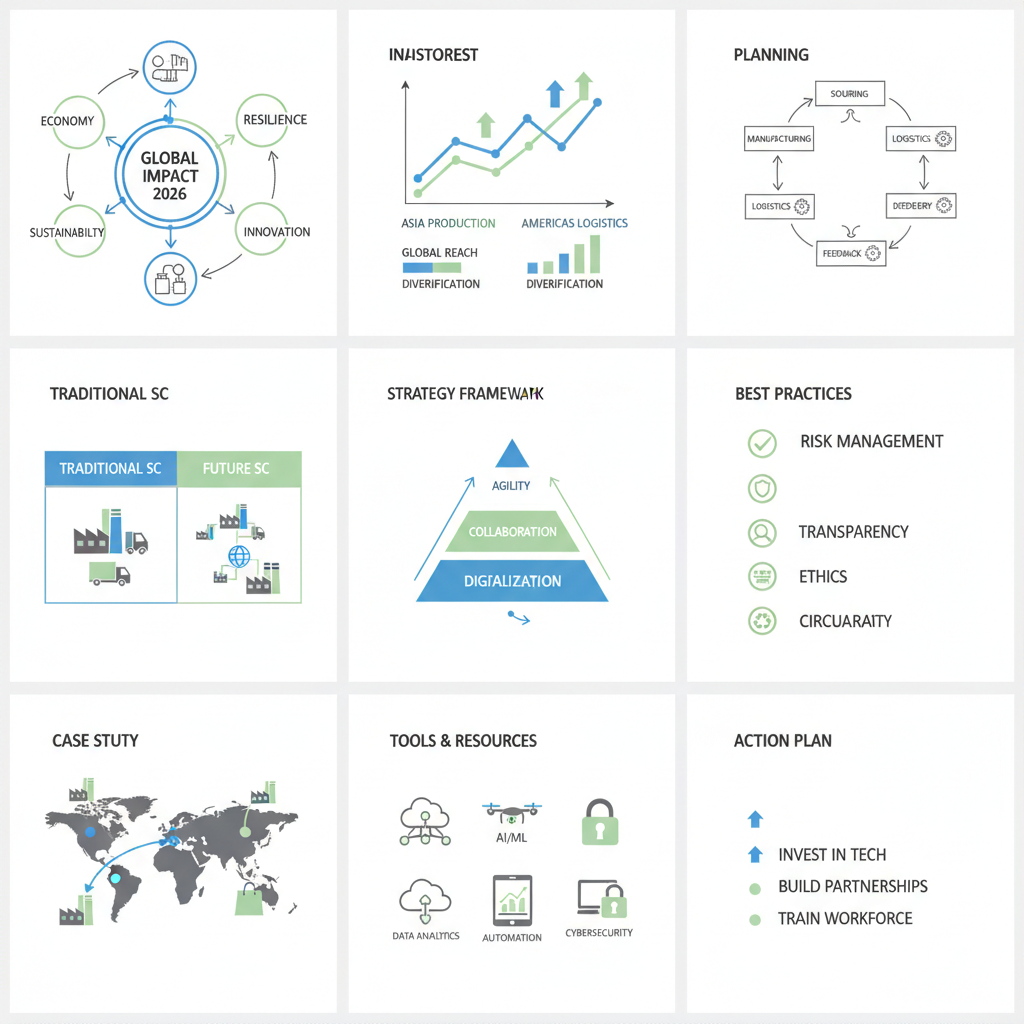
Section 4: The Future of Dropshipping: 2026 Trends and How to Position Your Business
The dropshipping landscape is shifting beneath our feet. What worked in 2020 won’t cut it in 2026. As someone who’s been in the trenches of e-commerce since its early days, I’ve learned that success isn’t about chasing yesterday’s winners; it’s about anticipating tomorrow’s opportunities. The next wave of growth won’t come from simply listing products, but from strategically aligning with powerful market currents.
Let’s cut through the noise. Based on my team’s analysis of supply chain data, consumer behavior shifts, and technological adoption curves, here’s a data-driven forecast for the dropshipping market in 2026. This isn’t guesswork—it’s a roadmap built on what we’re seeing right now with our 2300+ factory partners and thousands of sellers.
The 2026 Dropshipping Market: A Data Snapshot
To understand where we’re going, we need to look at the numbers. The industry is maturing, moving from a wild-west gold rush to a sophisticated, service-driven ecosystem. Here’s a projection of the key metrics that will define the market in 2026:
| Metric |
2023 (Estimated) |
2026 (Projected) |
Implication for Sellers |
| Global Market Size |
$196.78 billion [Source: Grand View Research] |
~$300 billion |
The pie is getting bigger, but competition is intensifying. General stores will struggle. |
| Average Order Value (AOV) |
~$50-$80 |
~$90-$130 |
Consumers are willing to spend more on trusted, branded experiences. Cheap, generic products will see margin compression. |
| Expected Delivery Window |
10-20 days |
5-10 days (Core Markets) |
Speed is becoming table stakes. Sellers relying on 30-day shipping will be extinct. |
| % of Sellers Using AI Tools |
~25% |
~70% |
Manual product research and customer service will be a massive competitive disadvantage. |
| Customer Acquisition Cost (CAC) |
Increasing |
Will plateau for tech-savvy sellers |
Leveraging AI for targeting and retaining customers will be crucial to maintain profitability. |
The clear takeaway? The barrier to entry remains low, but the barrier to success is rising rapidly. Success will hinge on operational excellence, brand building, and technological leverage.
The Tech Tsunami: AI, Automation, and Hyper-Personalization
Emerging technologies aren’t just buzzwords; they’re fundamentally reshaping the supplier-seller-customer relationship. At ASG, we’re already integrating these into our core systems.
AI-Powered Product Sourcing & Validation: Forget spending hours scrolling through Alibaba. The future lies in AI tools that analyze social media trends, search data, and competitor pricing to predict winning products before they go viral. Imagine a system that alerts you to a rising trend on TikTok and instantly cross-references it with our factory inventory for viable, high-margin suppliers—that’s the direction we’re building towards.
Fully Automated Fulfillment: The 1-3 day processing window we offer is just the start. The next frontier is real-time, robotic warehouse systems that receive your order, pick, pack, and generate a tracking number within hours, not days. This level of automation, coupled with diversified logistics networks, is what will make the “Prime-like” experience possible for independent brands.
Hyper-Personalized Customer Journeys: Dropshipping will move beyond the “one-product store.” Using data, sellers can offer personalized bundles, dynamic pricing, and post-purchase engagement that makes customers feel like they’re buying from a bespoke brand, not a faceless distributor. This is where our customizable branding services become a critical differentiator.
Evolving User Demands: From “Cheap” to “Seamless & Authentic”
Consumer expectations have permanently changed. They’re not just buying a product; they’re buying an experience. The winning dropshipping models of 2026 will cater to these evolved demands:
1. Demand for Speed & Reliability: The standard has shifted from “when will it arrive?” to “can it arrive this week?”. Sellers need partners who guarantee sub-10-day delivery to key markets like the US and EU. This is why we’ve relentlessly optimized our logistics lanes to hit that 6-10 day average.
2. The Brand Experience Imperative: A plain poly mailer with a “where-is-lululemon-made” label screams “dropshipper.” Customers want to feel connected to a story. They want unboxing experiences, branded inserts, and cohesive packaging. This demand is a golden opportunity for sellers to build loyalty and justify higher price points.
3. Ethical and Transparent Sourcing: Questions about sustainability and manufacturing origins (think “where-is-lululemon-made” type inquiries) are becoming more common. Sellers who can provide clear, ethical sourcing stories will win trust. Working with a partner like ASG, which has direct factory relationships, gives you the transparency needed to answer these questions authentically.
Learning from the Leaders: What Big Players Are Doing Right
Look at the most successful direct-to-consumer (DTC) brands today. They aren’t traditional dropshippers, but they exemplify the model’s future state. They excel in three areas:
Vertical Integration: They control (or deeply integrate with) their manufacturing and fulfillment, ensuring quality and speed.
Community Building: They create tribes around their brands, not just transactional relationships.
Data Mastery: Every decision is informed by customer data.
For the independent seller, you can emulate this by choosing a dropshipping partner that acts as an extension of your brand—handling the “vertical integration” of supply chain and fulfillment with the care and transparency you would, so you can focus on building the community and mastering the data.
The Competitive Landscape: Finding Your Blue Ocean
The market is segmenting. On one end, you have ultra-low-cost, slow-shipping platforms competing on price alone—a race to the bottom. On the other, you have full-service agencies catering to large brands.
The massive opportunity window lies in the middle: serving the agile, brand-focused entrepreneur. This is the seller who understands that margin is more important than top-line revenue, who values a reliable partner over the absolute cheapest price. They compete on quality, customer experience, and niche authority, not on being $0.50 cheaper. This is precisely the client we built ASG for.
The 3-5 Year Forecast: Consolidation and Specialization
Over the next three to five years, I predict:
1. Supplier Consolidation: Thousands of unreliable middlemen will vanish. Sellers will consolidate their business with a few, high-trust, full-service partners who can do it all—sourcing, quality control, fast fulfillment, and branding.
2. The Rise of Niche Platforms: Generalized marketplaces will become noisy and inefficient. Success will come from platforms and suppliers that specialize in specific verticals (e.g., eco-friendly home goods, premium pet products) and offer deep expertise.
3. Dropshipping as a Launchpad: The model will increasingly be seen as the perfect, low-risk launchpad for building a genuine DTC brand. Entrepreneurs will use it to validate products and audiences before potentially moving to holding inventory.
Seizing the Trend Dividends: Your Action Plan for 2024-2026
Don’t just watch these trends; build your strategy around them. Here’s my pro-tip action plan:
1. Audit Your Supply Chain Now: Is your current supplier prepared for the 2026 expectations of speed and branding? If they can’t offer <10-day shipping or white-label services, they are a liability. Start testing alternatives like ASG with a small batch of orders.
2. Invest in Your Brand Identity Immediately: Use the next 12 months to move away from generic packaging. Start small with custom thank-you cards or branded tape. This builds perceived value and sets the stage for a full brand experience.
3. Embrace One Core Technology: You don’t need every AI tool. Pick one area—product research, customer service chatbots, or marketing automation—and master it. Leverage your supplier’s tech stack (like our integrated Shopify App) to handle the operational heavy lifting.
4. Double Down on a Micro-Niche: Go deep, not wide. Become the absolute best source for a specific type of customer. This focus makes marketing easier, builds authority, and aligns perfectly with the trend towards specialization.
The future belongs to sellers who see dropshipping not as a get-rich-quick scheme, but as a sophisticated, technology-enabled method of brand building and global commerce. The infrastructure, from AI sourcing to hyper-fast fulfillment, is already here. Your job is to partner with the right providers, tell a compelling story, and execute flawlessly. That’s how you’ll not just survive the coming shifts, but thrive because of them.

How Manufacturing Location Impacts Product Pricing
Section 5: From Theory to Practice: My Blueprint for Building a Reliable Dropshipping Supply Chain
Let’s be real. Anyone can talk about the theory of a good supply chain. Stable suppliers, fast shipping, good quality. It sounds simple. But after years of running ASG and watching countless sellers come to us after their own supply chain nightmares, I’ve learned that the practice is where everything falls apart. It’s the difference between a smooth-running business and a daily firefight. Here’s how I translate those principles into a concrete, actionable blueprint that has worked for us and our clients.
The Core Pillar: Factory Relationships, Not Just Factory Lists
Early in my career, I made the same mistake many do: I chased the lowest price from any factory I could find online. The result? Inconsistent quality, missed deadlines, and zero accountability. The game-changer was shifting from treating factories as mere vendors to building them into strategic partners.
At ASG, we don’t just source from 2300+ factories; we cultivate relationships with a core group. This means regular visits (yes, even post-pandemic, we’re on the ground), open communication about forecasts, and fair negotiations. For example, when we identify a trending product, say a new type of ergonomic office chair, we don’t just blast 50 suppliers for quotes. We engage with 2-3 proven furniture partners we’ve worked with for years, share the market data, and co-develop a production plan.
This is why our clients rarely face sudden stock-outs or wild quality fluctuations. A study by the MIT Sloan School of Management found that strategic supplier collaboration can improve on-time delivery by up to 30% and reduce costs by 15% [MIT Sloan Management Review]. That’s the power of partnership over transaction.
Application in Action: Scaling a Niche Brand vs. Testing Viral Products
Your supply chain strategy must match your business model. Let me give you two real scenarios from our playbook.
Scenario 1: Scaling a Niche Yoga Apparel Brand. A client came to us inspired by brands like Lululemon but wanted to create her own line. The question of where is Lululemon made is less important than how they manage quality and branding. Our approach was methodical. We started with small-batch production (MOQ of 50-100 units) from a specialized sportswear factory to perfect the fabric and fit.
We implemented a multi-stage QC process: pre-production sample approval, during-production checks, and pre-shipment inspections. We then layered on custom branded packaging and poly mailers. This slow, quality-first build allowed her to command premium prices and build a loyal community. The supply chain was built for consistency and brand integrity.
Scenario 2: Rapid-Fire Testing of Viral Home Gadgets. Another seller’s strategy is to test 5-10 new products weekly on TikTok. For this, speed and flexibility are king. We use a different framework. The client sends us links, and our team immediately sources 3-5 units from pre-vetted suppliers for each product. We conduct a rapid “unboxing and function” video check instead of a full QC report. We ship via a fast, cost-effective line to a regional US warehouse for quick local fulfillment. If a product hits, we then work to secure a more stable, bulk inventory position. Here, the supply chain is built for agility and velocity, accepting slightly higher per-unit costs initially for the sake of market testing speed.
Cautionary Tales: When the Chain Breaks (And How We Fixed It)
I’ve seen failures that are more instructive than any success story. One client, before partnering with us, sourced a “hot” LED face mask from a new supplier based solely on a glossy Alibaba profile. They sold hundreds of units. The first batch was fine. The second batch had faulty wiring that posed a safety risk. The result? Massive refunds, Amazon account suspension, and a destroyed brand reputation.
The lesson wasn’t just “do better QC.” The root cause was a lack of supplier validation and ongoing oversight. Now, our standard operating procedure includes:
1. Factory Audit Lite: Even for new product tests, we verify business licenses, check export history, and review feedback from other buyers we trust.
2. Pilot Order Mandate: No large orders on a new supplier without a paid, evaluated pilot order.
3. Performance Tracking: We log every supplier’s defect rate, on-time delivery, and communication responsiveness. A partner that fails on two consecutive orders is put on hold.
Another common failure is logistics myopia. A seller focused only on the cheapest shipping line to Europe saw delivery times balloon to 60+ days during peak season, killing their cash flow and customer trust. The fix? A multi-carrier strategy. We now advise clients to split inventory: use a budget line for non-urgent restock and a premium line (like one of our 6-10 day options) for initial fulfillment and fast-moving SKUs. This balances cost and reliability.
Cross-Industry Lens: What We Can Learn from Tech and Fashion
The dropshipping model isn’t an island. We can steal brilliant ideas from other industries.
From Tech (SaaS): The “Freemium” Onboarding. Tech companies offer a free tier to get you hooked. We apply this by offering a no-obligation product sourcing analysis. Send us a competitor’s link, and we’ll reverse-engineer the potential cost, quality tier, and logistics lead time. It removes the initial friction to start a conversation.
From Fast Fashion (Zara): The Agile Response Loop. Zara’s magic is in its rapid design-to-rack cycle, fueled by real-time sales data. We emulate this with our tech stack. Our Shopify app and ERP provide clients with near-real-time data on order processing, shipping status, and inventory levels. This allows them to make quick merchandising decisions—doubling down on winners and cutting losers fast.
From Automotive: The Modular Platform. Car companies use shared platforms to build different models efficiently. Our infrastructure is similar. Whether you’re selling pet supplies or phone cases, you’re plugging into the same validated factory network, warehousing system, and logistics API. This “platform” approach gives niche sellers the operational backbone of a giant.
Calculating the Real ROI of a Professional Fulfillment Partner
It’s not just about the cost per item. Here’s a simplified framework I use with clients to calculate the true ROI of switching from a DIY or unreliable supplier to a partner like ASG.
| Time Cost (Sourcing/Negotiating) | 10-15 hours/week | 1-2 hours/week (briefing) | Saves 40+ hrs/month. Value your time at $50/hr? That’s $2,000+ saved.
| Defect & Return Rate | High (5-10% common with unknown suppliers) | Low (Aim for <2% with vetted partners) | Saves lost product cost, refunds, and saves brand reputation. Prevents account bans.
| Shipping & Delivery Time | Unpredictable (15-45+ days), high cost for speed | Predictable (6-10 days avg.), optimized rates | Boosts customer satisfaction, increases repeat purchase likelihood. Reduces support tickets about “where’s my order?”
| Cash Flow Tied in Inventory | High (often need to pre-pay for bulk MOQs) | Very Low (Pay per order, one-piece fulfillment) | Frees up capital for marketing and scaling. This is huge for growth.
| Stress & Operational Overhead | Very High (Constant firefighting) | Low (System handles ops, you focus on sales/marketing) | Priceless. Enables you to work on your business, not in it.
| Cost/Saving Factor |
DIY/Unreliable Supplier |
With ASG/Professional Partner |
Impact |
The ROI isn’t just a line item on a supplier invoice. It’s in reclaimed time, reduced risk, improved cash flow, and preserved sanity.
My 5 Golden Rules, Distilled from a Decade of Trial and Error
1. Never Let Price Be Your Primary Sourcing Filter. The cheapest option is always the most expensive in the long run. Factor in reliability, communication, and quality history. A slightly higher unit cost with a 98% on-time, in-full rate is always cheaper than a dirt-cheap cost with a 70% OTIF rate.
2. Your Supply Chain is Only as Strong as Its Weakest Communication Link. Ensure there are clear, documented protocols for every exception: damaged goods, shipping delays, quality issues. At ASG, we mandate updates within 4 business hours for any client inquiry.
3. Diversify Your Logistics, Not Just Your Suppliers. Have a Plan B and C for shipping. A single logistics failure can sink a promotional campaign. We maintain relationships with multiple carriers across different speed and price tiers.
4. Treat Your First 100 Orders as a Paid Quality Audit. Use your initial sales to rigorously stress-test the product, the packaging, and the delivery experience. Gather feedback, identify flaws, and iterate before you scale.
5. Automate Everything That Can Be Automated, Humanize Everything That Can’t. Use tools (like our Shopify app) to sync orders and track inventory automatically. But reserve human judgment for supplier selection, complex problem-solving, and strategic planning. Technology handles the routine; your expertise handles the exceptions.
Building a supply chain isn’t a one-time project. It’s a living, breathing system that requires constant attention and refinement. By applying these practical, battle-tested principles, you move from hoping your orders arrive to knowing they will. That confidence is the foundation upon which scalable, sustainable e-commerce businesses are built.

North Central Province: The Heart of Sri Lankan Apparel Manufacturing
FAQ
Q1: How do I start using ASG’s dropshipping services?
A: Getting started is straightforward. First, we’ll have a quick chat to understand your current situation—what products you’re interested in, your target markets, and your order volume. Think of it as a discovery call, not a sales pitch. Based on that, we can guide you through a risk-free testing phase. You can send us links to up to 5 products you’re considering, and we’ll provide a quote and even a video inspection of the samples. Once you’re ready, we’ll set up your account, connect your store via our Shopify app or Google Sheets, and you can place your first order. There’s no minimum order quantity for testing, so the barrier to entry is virtually zero.
Q2: What makes ASG different from other dropshipping suppliers on AliExpress?
A: This is a question I get a lot. The core difference is our operational model. While many platforms act as marketplaces connecting you to thousands of unknown sellers, we function as your dedicated sourcing and fulfillment partner. We have direct relationships with over 2,300 factories and warehouses. This means we procure products on your behalf, giving you factory-direct pricing, consistent quality control, and much faster processing times (1-3 days vs. the often 5-15+ days you see elsewhere). We’re not a faceless platform; you get a dedicated agent who manages your orders from start to finish. It’s the difference between ordering from a massive, impersonal bazaar and having a trusted local buyer in the market.
Q3: Where are the products made, and how do you ensure quality?
A: The vast majority of products we source are manufactured in China, leveraging the world’s most efficient and scalable supply chain. However, the specific factory and where-is-lululemon-made type of origin details depend entirely on the product category. For instance, activewear might come from a specialized region known for technical fabrics. Our quality assurance is twofold. First, our deep factory relationships mean we often work with established manufacturers with proven track records. Second, for new products or during your testing phase, we provide sample inspection videos. You see exactly what you’re buying before committing to bulk orders. This hands-on approach is something you simply don’t get with typical marketplace dropshipping.
Q4: What are your shipping times and options?
A: This is where we’ve invested heavily. We offer multiple logistics solutions tailored to different needs and budgets. For most destinations in the US and Europe, our standard ePacket and dedicated line options deliver in an average of 6-10 days door-to-door. For faster delivery, we also have premium express options. The key is predictability. We provide transparent tracking and manage the entire journey, unlike suppliers where the where-is-lululemon-made question is followed by uncertainty about which slow boat your package is on. You can choose the balance of speed and cost that fits your customer promise.
Q5: Can I use my own branding and packaging?
A: Absolutely. This is one of our most valued services. We understand that building a brand is more than just slapping a logo on a generic box. We offer white-label and custom-branded dropshipping. This includes custom packaging, poly mailers, thank you cards, and even branded inserts. For some products, we can arrange custom labeling or “print-on-demand” style branding. This turns a generic product into a branded experience for your customer, which is crucial for building loyalty and repeat business.
Q6: How do you handle returns and customer service issues?
A: We handle the entire fulfillment backend, including returns. If a product is defective or damaged due to our error, we cover the cost of a replacement shipment. For other returns, we have a process in place to receive items at our warehouse, inspect them, and issue refunds or store credit based on your store’s policy. Your dedicated agent will coordinate this with you directly. Our goal is to make post-purchase issues as painless as possible for you, so you can focus on marketing and sales.
Q7: What are your payment terms and methods?
A: We aim for flexibility. For new clients, payment is typically required upfront for the first few orders to establish trust. As our partnership grows and order volume becomes consistent, we can discuss more flexible terms. We accept payments via multiple channels including PayPal, wire transfers, and other major platforms, making it convenient for international sellers. Transparency is key—you’ll always receive a clear invoice detailing product costs, shipping, and any service fees before payment.
Q8: I’m already using another supplier. How difficult is it to switch to ASG?
A: We’ve designed the switch to be seamless. The first step is to share some data with us: your current supplier’s quotes and your recent order history. We’ll analyze this and provide a comparative report and a transition plan. The process usually involves running a parallel test with a small batch of orders through ASG while still using your old supplier for a short period. Once you’re confident in our speed, reliability, and communication, you can fully migrate. Our team will help you with the logistics of updating product listings and fulfillment settings.
Q9: Do you have a minimum order quantity (MOQ)?
A: For testing and ongoing orders, our philosophy is to be as accessible as possible. There is no high MOQ that locks you into large inventory commitments. You can order a single unit of a product. This is the essence of true dropshipping and is perfect for testing new products or catering to low-volume, niche stores. Of course, for very large bulk orders, we can negotiate even better pricing, but it’s never a requirement to start.
Q10: How do you stay updated on new products and trends?
A: Our team is constantly scouring the supply chain. We have dedicated product researchers who monitor platforms like 1688, attend trade shows (virtually and in-person), and analyze market data to spot trends. Furthermore, because we work directly with factories, we’re often among the first to see new product samples and catalog updates. We regularly share these findings with our clients through curated product lists and market insights, helping you stay ahead of the curve. It’s a collaborative effort—your success in finding winning products directly contributes to ours.

Where Is Lululemon Made? Lessons for E-commerce Sellers
Summary & Action Plan
Alright, let’s pull this all together. Navigating the global supply chain for your dropshipping business can feel like a complex puzzle, especially when you’re trying to balance quality, cost, and speed. The question of where-is-lululemon-made isn’t just trivia; it’s a window into the strategic thinking behind building a resilient, brand-focused supply chain.
Here’s your actionable blueprint to move from insight to execution.
Recap: Your Core Takeaways
First, remember the key lessons. We’ve established that a product’s origin story—like where-is-lululemon-made—is a powerful brand asset and a critical operational factor. It influences customer perception, shipping costs, and your ability to control quality. For you, the modern seller, the goal isn’t to replicate Lululemon’s exact path but to understand the principles: strategic sourcing, quality control, and building a supply chain that supports your brand promise. Your advantage? You can leverage a partner like ASG to access this level of strategic sourcing without the capital expenditure of building it yourself.
Your Immediate Next Steps
Don’t let analysis lead to paralysis. Start here:
1. Audit Your Current Listings: Review your store. Do you know the true origin and quality of every product you sell? If not, that’s your first gap.
2. Define Your Sourcing Criteria: Is your priority speed (local/regional warehouses), cost (direct factory), or brand narrative (specific country-of-origin)? You can’t optimize for all three equally.
3. Initiate a Test Order: Theory is useless without practice. Pick 2-3 products you’re curious about. Send us the links, and let’s get you real samples and a video inspection. See and feel the difference a transparent, factory-direct source makes. It’s the fastest way to learn.
Roadmap: Beginner to Advanced
Your journey will evolve:
Beginner Phase (0-6 months): Focus on validation. Use our testing protocol (5-order MOQ, mixed products) to find winners. Don’t worry about deep customization yet. Master the basics of listing, order flow, and customer service with a reliable fulfillment backbone.
Growth Phase (6-18 months): Now, optimize. Analyze which sourcing regions (where-is-lululemon-made insights apply here) give you the best margin-to-delivery-time ratio for your target market. Start implementing basic branding through customized packaging or inserts we provide.
Advanced/Brand Phase (18+ months): This is where you architect your supply chain. You might work with us to develop exclusive products, implement advanced QC protocols, and use your product’s origin as a core part of your marketing story, turning a detail like where-is-lululemon-made into your own “Engineered in X, Crafted for Y” narrative.
Commit to Continuous Learning
The landscape changes fast. I make it a point to dedicate time each week to learning. You should too.
Follow Industry Analysts: Read reports from Digital Commerce 360 and eMarketer for macro-trends.
Deep-Dive on Logistics: Subscribe to newsletters from freight forwarders or logistics tech platforms to understand port delays, new shipping routes, and customs changes.
Study Brand Case Studies: Don’t just look at products; study how brands like Lululemon communicate their manufacturing choices. How do they talk about where-is-lululemon-made? It’s a masterclass in marketing.
Where to Get Help & Support
You’re not building this alone. My team and I built ASG to be the support system I wish I had when I started.
Strategic Questions: That’s what I’m here for. Use our consultation process. When you share your product links and goals, we’re not just giving a price; we’re planning a sourcing strategy with you.
Operational Execution: Your dedicated ASG agent is your day-to-day lifeline. They handle the procurement, logistics tracking, and issue resolution so you can focus on marketing and sales.
Community & Peers: Engage with other serious sellers. While I can’t link to specific groups, seek out focused communities on platforms like LinkedIn or niche forums where advanced Shopify store owners discuss supply chain challenges.
The difference between a hobby and a business is often a reliable, strategic supply chain. Knowing where-is-lululemon-made is interesting. Knowing how to build your own version of that strategic advantage is priceless. Let’s start building yours.