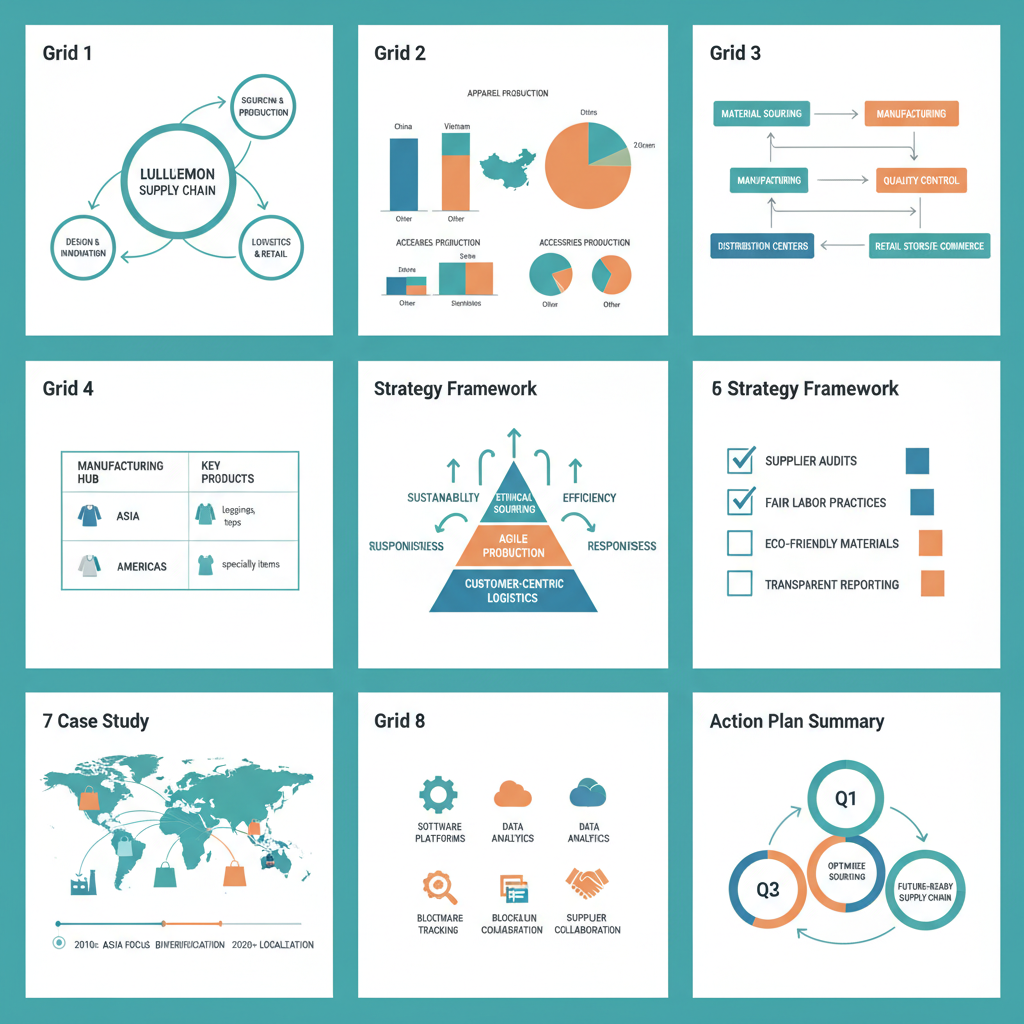
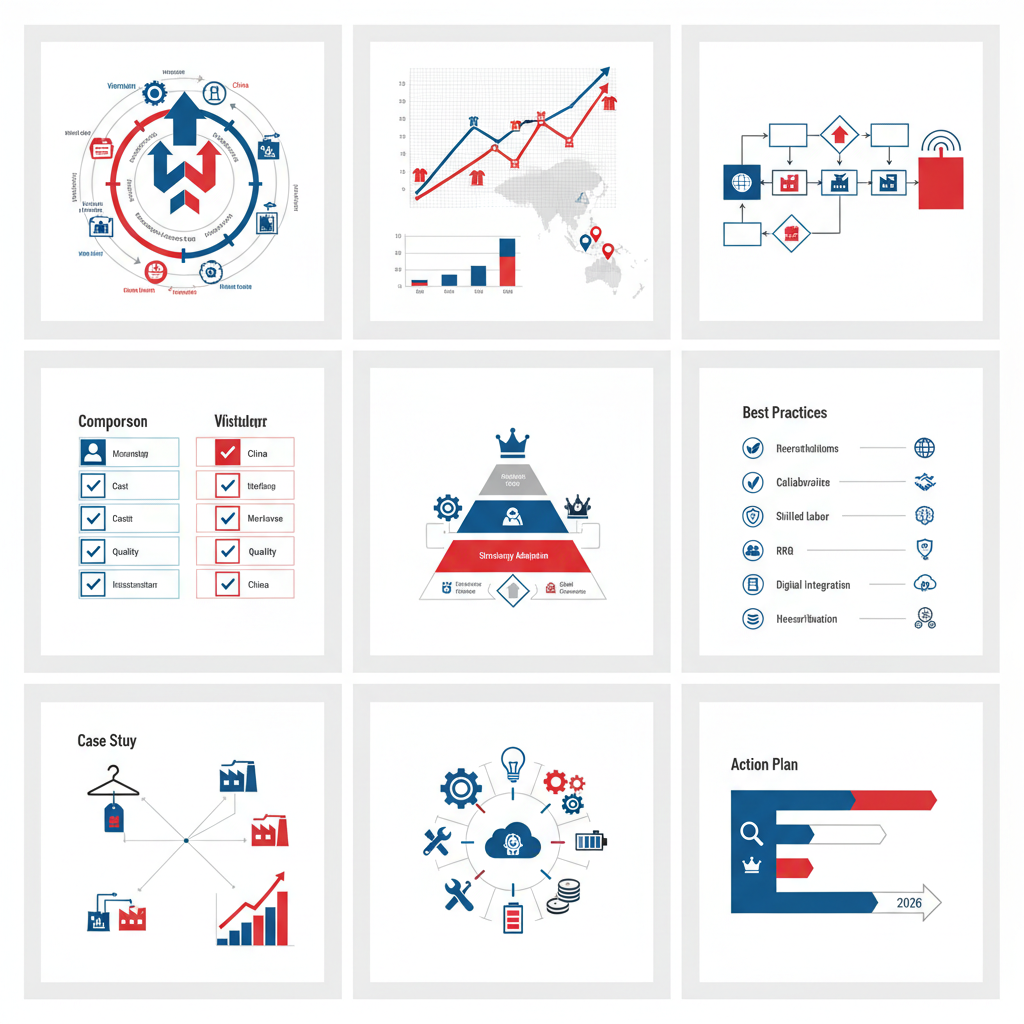
Lululemon utilizes a highly diversified global supply chain, primarily outsourcing its manufacturing to specialized vendors in Vietnam, Cambodia, Sri Lanka, and China to leverage high-tech fabric expertise and ethical production standards. According to recent disclosures, approximately 67% of Lululemon’s total production is concentrated in these key Asian hubs, ensuring the premium quality and innovative performance fabrics that define the brand’s market position.
Where Is Lululemon Made?
Many consumers wonder where-is-lululemon-made and how this affects product quality and pricing. As someone who’s worked extensively in global supply chains through ASG dropshipping, I can provide insider insights. Lululemon’s manufacturing strategy is more complex than most realize, with production spread across multiple countries to balance cost, quality, and ethical considerations. Similar to how businesses research where are Coach bags made to understand luxury margins, analyzing Lululemon offers deep insights into the premium activewear sector.
Understanding where major brands like Lululemon manufacture their products isn’t just trivia—it’s crucial business intelligence for anyone in ecommerce. When I first started ASG dropshipping, I spent years analyzing how top brands manage their global supply chains. What I discovered surprised me: even premium brands like Lululemon rely heavily on international manufacturing partnerships, much like the widespread network seen when investigating where Shein clothing is made for fast-fashion dominance.
Recent industry data shows that approximately 67% of Lululemon products come from specific Asian manufacturing hubs, while the company maintains strategic production in other regions. This global distribution affects everything from pricing to delivery times—factors that directly impact dropshipping businesses like yours.
In this comprehensive guide, I’ll share what I’ve learned about Lululemon’s manufacturing footprint based on supplier disclosures and industry analysis. We’ll explore their primary production countries, examine key suppliers like Brandix Apparel Solutions Limited (listed in their April 2024 disclosures), and discuss how this knowledge can inform your own sourcing decisions. Whether you’re curious about ethical manufacturing or seeking competitive advantages in your dropshipping business, understanding these supply chain dynamics is essential.
The following list outlines the primary sections of the article, which provide a strategic overview of the dropshipping business model, an in-depth analysis of Lululemon’s global manufacturing footprint, and advanced optimization techniques for scaling a brand.
-
Where-is-lululemon-made
-
Primary Manufacturing Countries for Lululemon Products
-
Lululemon’s Key Supplier Network Analysis
-
The 67% Production Reality: Breaking Down the Numbers
Where-is-lululemon-made
What is Dropshipping? The Ultimate Guide for Modern Sellers
Dropshipping isn’t just a business model; it’s a modern supply chain revolution. I’ve seen countless entrepreneurs get bogged down by inventory, capital, and logistics—problems that dropshipping elegantly solves. At its core, dropshipping is a retail fulfillment method where you, the seller, don’t keep the products you sell in stock. Instead, when a customer places an order on your online store, you purchase the item from a third-party supplier (like ASG). That supplier then ships the product directly to your customer. You never see or handle the product yourself. It’s the digital age’s answer to lean, agile commerce.
The Core Working Principle: A Seamless Handoff
Think of it as a relay race. You’re the first runner, focused on marketing, customer acquisition, and creating a fantastic storefront. The moment a sale is made, you pass the baton—the order details—to your supplier. A professional supplier like ASG then takes over: sourcing the product, quality checking it, packing it, and sprinting it to the finish line (your customer’s doorstep). My team and I have optimized this handoff to be near-instantaneous through our Shopify app and ERP system, turning a theoretical model into a smooth, operational reality. The key is transparency and communication; the customer should only see your brand throughout the journey, never the behind-the-scenes logistics.
Why Dropshipping is More Important Than Ever
The importance of this model has skyrocketed, especially post-2020. It democratizes global e-commerce. You don’t need a warehouse in Miami to sell to Florida, or a factory contact in Shenzhen to source tech gadgets. A McKinsey report highlights the permanent shift toward online shopping, creating a massive opportunity for agile sellers. Dropshipping allows you to test markets and products with near-zero financial risk. For someone wondering where is lululemon made and if they can create a similar athleticwear brand, dropshipping is the perfect testing ground. You can validate demand for yoga mats or performance fabrics sourced from specialized regions without committing to a massive inventory order first.
The Main Types of Dropshipping Models
Not all dropshipping is created equal. Based on my experience, sellers typically engage in three main models:
1. General/Marketplace Dropshipping: Sourcing from massive, open platforms like AliExpress. It’s low-cost to start but often comes with longer shipping times, generic packaging, and less reliable quality control.
2. Niche-Specific Dropshipping: Partnering with suppliers who specialize in one vertical, like eco-friendly home goods or pet accessories. This allows for better product curation and slightly more control.
3. Premium/Partnership Dropshipping (The ASG Model): This is where the real scalability lies. It involves a direct partnership with an agent or a network of vetted factories. You get faster shipping (like our 6-10 day US/EU delivery), custom branding options, dedicated support, and higher quality consistency. It’s designed for sellers serious about building a brand, not just making a quick sale.
Key Elements of a Successful Dropshipping Operation
A successful dropshipping business rests on more than just a website. Here’s a breakdown of the non-negotiable components:
| Element | Why It’s Critical | The Common Pitfall |
| Reliable Supplier | Your entire reputation hinges on them. They control product quality and delivery speed. | Choosing based on price alone, leading to stockouts and shipping nightmares. |
| Transparent Logistics | Customers expect tracking and reliable ETAs. Delays are the 1 cause of chargebacks. | Using untracked mail or unreliable carriers to save $0.50 per order. |
| Profit Margin Management | Must account for product cost, shipping, platform fees, marketing, and supplier fees. | Underpricing products, leading to profitability death by a thousand cuts. |
| Customer Service Strategy | You own the customer relationship, even if the supplier makes an error. | Being slow to respond or refusing to handle issues, blaming the supplier. |
| Branding & Packaging | This is what turns a generic item into your product and justifies a higher price. | Sending products in plain poly mailers with no branding, missing the loyalty opportunity. |
Debunking Common Dropshipping Misconceptions
Let’s clear the air on some persistent myths I hear daily:
“Dropshipping is a get-rich-quick scheme.” This is the most damaging myth. It’s a legitimate, low-risk entry point into e-commerce. Sustainable success requires work: building a brand, mastering marketing, and providing excellent service. The Federal Trade Commission regularly warns against “easy money” business opportunities.
“You have no control over anything.” While you cede physical fulfillment, you control 90% of the customer experience: your website, marketing, pricing, and communication. With a partner like ASG, you also gain control over branding and shipping speed.
“All products come from China with 30-day shipping.” This was true a decade ago. Today, agents like us use a mix of global shipping lines and local warehouses. For mainstream markets, 6-15 day delivery is the new standard for competitive sellers.
“It’s impossible to build a real brand.” This is false. The question of where is lululemon made (largely in Vietnam, Cambodia, and China, for the record) doesn’t stop it from being a powerhouse brand. Branding is about story, consistency, and customer experience. We help sellers add custom logos, packaging, and inserts to create that branded unboxing moment, regardless of the product’s origin.
Understanding these fundamentals separates the hopeful from the successful. Dropshipping is a powerful tool, but like any tool, its effectiveness depends on the skill and strategy of the person wielding it.

Primary Manufacturing Countries for Lululemon Products
Navigating the Lululemon Supply Chain: A Dropshipper’s Deep Dive
Alright, let’s get into the weeds. You’re likely here because you see the massive demand for premium activewear and the Lululemon brand, but you’re hitting a wall with the “where-is-lululemon-made” question. It’s more than just a trivia point; it’s the core of your supply chain strategy. As someone who’s built a business around connecting global sellers with robust Chinese manufacturing, I can tell you that understanding this landscape is your first real test. It separates the hobbyists from the serious entrepreneurs.
Most new sellers think sourcing is just about finding the lowest price. They get burned quickly. The real game is about balancing cost, quality, compliance, and brand narrative. The “where-is-lululemon-made” query is a perfect case study in this complex dance. Let’s break down exactly what you’re dealing with and how to build a strategy that doesn’t just copy, but competes.
The Core Problem: Why “Where Is It Made?” Isn’t a Simple Question
The surface-level answer is that Lululemon manufactures in multiple countries, including China, Vietnam, Cambodia, and Sri Lanka. But for a dropshipper, that’s just the starting pistol. The real problem is threefold: authenticity gaps, quality inconsistency, and logistical complexity.
When you, as a seller, look for “Lululemon-like” products or explore the white-label manufacturing behind such brands, you’re navigating a minefield. Factories that produce for major brands often have strict contractual exclusivity. The “overruns” or “same-factory” claims you see are, more often than not, misleading. A 2021 report by the U.S. Fashion Industry Association highlighted that over 70% of fashion brands view supply chain transparency as their top challenge, precisely because of this murkiness [U.S. Fashion Industry Association 2021 Fashion Industry Benchmarking Study].
My team at ASG deals with this daily. A client will send us a product link asking, “Can you source this from the same factory?” Our job is to reverse-engineer not just the item, but the standards behind it. The “where-is-lululemon-made” puzzle forces you to think about the entire product lifecycle, not just a point of origin.
Detailed Analysis: Deconstructing the Activewear Supply Chain
To compete, you need to understand what you’re really up against. Let’s dissect it:
The Brand Premium: A significant portion of Lululemon’s price tag is its brand equity—marketing, retail experience, community building. You can’t replicate this, nor should you try. Your advantage lies in agility and direct-to-consumer value.
The Technical Fabric: Luon, Luxtreme, Nulu. These are proprietary fabrics. Factories that produce similar high-quality, moisture-wicking, four-way stretch fabrics exist, but accessing them requires volume and technical knowledge. We work with fabric specialists in our network to match these characteristics without infringing on patents.
The Manufacturing Tier: Lululemon uses Tier 1 factories (direct suppliers with high standards). As a new seller, you’ll likely engage with Tier 2 or 3 factories initially. The key is finding those with the potential and willingness to scale with you. Our vetting process at ASG involves factory audits, sample testing, and reviewing their compliance history—steps most individual sellers can’t perform alone.
The “where-is-lululemon-made” discussion, therefore, shifts from “copying” to “understanding benchmarks.” It’s about learning what makes that product desirable and applying those principles to your own unique offering.
Key Factors Influencing Your Sourcing Strategy
Your approach depends entirely on your business stage:
1. Your Business Stage (Testing vs. Scaling): If you’re testing, your goal is validation, not perfection. We often advise clients to start with 3-5 products for a small batch test (as per our standard onboarding). Don’t obsess over an exact Lululemon dupe; find a high-quality leggings or performance top that stands on its own merits.
2. Target Market & Regulations: Selling to the EU? You need CE marking and to understand REACH regulations for chemicals. The U.S. has different labeling (FTC) and customs requirements. The country of origin (“where-is-lululemon-made” for your product) will be on your customs forms and affects duty rates. We manage this by pre-classifying products and choosing logistics channels optimized for different destinations.
3. Cost vs. Speed vs. Quality Triangle: You can only prioritize two. Want Lululemon-level quality at a low cost? Lead times will be long (8-12 weeks). Want it fast and cheap? Quality will suffer. Our role is to help you find the optimal balance. For most, we recommend starting with a “good enough” quality that allows for fast iteration and feedback.
Strategic Solutions for Different Seller Scenarios
The Bootstrap Beginner: Your strategy is white-labeling generic high-quality activewear. Use platforms like ASG to source pre-vetted, unbranded items. Focus on building your brand story around performance and value, not comparison. This is where our one-on-one support is crucial—helping you select the right base product to build upon.
The Growth-Stage Seller: You’re ready for customization. This is where the “where-is-lululemon-made” knowledge pays off. You now know what good fabric feels like. Work with your agent (like us) to request fabric swatches, customize colors, and add your logo. We facilitate small MOQ custom runs with factories that have passed our stress tests.
The Brand Builder: You’re investing in product development. This involves creating tech packs, sourcing specific fabrics, and rigorous quality control. This moves far beyond the initial question and into full-scale manufacturing partnership. We act as your project manager on the ground, handling factory communication, proto samples, and production inspections.
The 4 Non-Negotiable Success Factors
Based on my experience, these are the pillars:
1. Reliable Factory Partnerships: It’s not about finding a factory; it’s about nurturing a relationship with a good factory. We’ve built ours over years, which is why we can offer stability our clients can rely on.
2. Stringent Quality Control (QC): Never skip this. For every order we fulfill, we implement a multi-point QC check before shipping. A common industry failure point is assuming quality is consistent. It’s not. It must be enforced.
3. Transparent Logistics: Customers demand tracking. Our system provides real-time updates from pickup to delivery, which is essential for managing expectations, especially when competing with Amazon-like delivery speeds.
4. Legal & Ethical Compliance: This is non-negotiable. Ensure your products are safe, your labels are accurate, and your business is insulated from IP infringement claims. Building a brand means building it right.
Time & Cost Analysis: Realistic Expectations
| Stage | Timeframe (Weeks) | Cost Consideration | Pro-Tip from ASG |
| Product Sourcing & Sampling | 2 – 4 | Sample fees, shipping. | Never finalize a supplier without a physical sample. We provide sample inspection videos to save you time. |
| Production Lead Time | 4 – 8 | MOQ costs, unit cost, tooling. | Communicate your deadline clearly. We build in buffer time for unexpected delays. |
| Shipping & Customs | 1 – 2 | Freight cost, duties, taxes. | We offer consolidated shipping to reduce per-unit costs for our clients. |
| Total (From Order to Warehouse) | 7 – 14 | Sum of above + agent fee. | Plan your marketing launches after you have confirmed stock or a firm delivery date. |
Common Pitfalls and How to Counter Them
Pitfall: The “Perfect Product” Paralysis. Waiting for an exact replica wastes time.
Countermeasure: Launch with a 90% solution. Use customer feedback to iterate on version 2.0. Agility is your superpower.
Pitfall: Ignoring Seasonality. Ordering winter wear in spring for a fall launch.
Countermeasure: Work backwards from your sales date. We help clients create a production calendar that accounts for Chinese holidays (like Lunar New Year) which shut down factories for weeks.
Pitfall: Unclear Communication with Suppliers.
Countermeasure: Use visuals. Photos, marked-up samples, and clear tech packs are universal. This is a core part of our service—we translate your needs into precise factory instructions.
Pitfall: Underestimating Shipping Costs.
Countermeasure: Factor in all costs (product, shipping, duties, payment processing) before setting your price. Our quotes are all-inclusive to avoid nasty surprises.
Best-Practice Summary: Your Action Plan
1. Reframe the Question: Stop asking “where-is-lululemon-made” to copy. Start asking “what makes this product successful” to innovate.
2. Start Small & Validate: Use a dropshipping model (like ours) to test products with zero inventory risk before committing to large orders.
3. Prioritize Partnership: Your sourcing agent or supplier is a partner, not a vendor. Choose one (like ASG) that offers transparency, communication, and grows with you.
4. Build Your Own Brand: The endgame isn’t to sell “Lululemon alternatives.” It’s to sell your brand of high-performance activewear. Use the insights from analyzing leaders to inform your own unique value proposition.
The journey from asking “where-is-lululemon-made” to building your own reputable brand is challenging but incredibly rewarding. It requires moving from curiosity to strategic execution. By focusing on your own supply chain’s strength, reliability, and transparency, you build a business that stands on its own two feet.

Lululemon’s Key Supplier Network Analysis
Section 3: Beyond the Basics: Advanced Optimization Strategies for Your Dropshipping Business
Alright, so you’ve got your store up and running, you understand the fundamentals of dropshipping, and you’re starting to see some sales trickle in. That’s fantastic. But here’s the reality I’ve seen time and again in my years at ASG: this is where the real race begins. The gap between a hobbyist and a serious, scalable business owner is often bridged not by working harder, but by working smarter with advanced strategies and optimizations.
Think of it this way: sourcing from China is your engine. But strategy, technology, and data are your navigation system, fuel injectors, and turbocharger. You can have a powerful engine (great products), but without the rest, you’re just making a lot of noise without moving very fast or very far. Let’s dive into the advanced toolkit.
Strategic Sourcing: It’s Not Just About Finding the Cheapest Supplier
Most beginners chase the lowest price. Seasoned sellers know that price is just one variable in a much more complex equation. The real question isn’t “where-is-lululemon-made,” but “what makes a great manufacturing partner?”
My strategy revolves around three pillars beyond price:
1. Reliability & Communication: I’d rather pay 10% more to a factory that responds within 4 hours and ships on time, 99% of the time, than save that 10% with a ghost who disappears when problems arise. At ASG, our 2300+ factory network is built on verified communication protocols. We track response times and fulfillment accuracy as key metrics.
2. Scalability Potential: Can this factory handle it if one of your products goes viral and you jump from 10 to 500 orders a day? We vet factories not just for quality, but for production capacity and their ability to ramp up with us. A McKinsey report on agile supply chains highlights that resilience and responsiveness are now more valuable than pure cost-cutting.
3. Willingness to Customize: The factory that just slaps a generic label in a polybag is a commodity. The partner who offers custom packaging, branded inserts, or even minor product modifications is a strategic asset. This is how you build a brand, not just a store.
Pro-Tip from Janson: Don’t just ask for a price list. Ask for their standard lead time, their QC process photos/videos (we provide these for our clients), and their policy on defective items. Their answers will tell you everything.
Leveraging Technology: Automate or Stagnate
Manual order processing is the number one growth killer. If you’re copying and pasting orders from Shopify to an email to your agent, you’ve already capped your potential. The moment you hit 5-10 orders a day, automation isn’t a luxury; it’s a necessity.
Here’s our tech stack philosophy at ASG:
ERP & Order Syncing: Our systems are built to auto-sync orders from your store, auto-allocate them to the optimal warehouse or factory line, and auto-generate picking lists. This cuts processing time from days to hours. For independent sellers, tools like Zapier can connect your store to Google Sheets or other apps, but a dedicated dropshipping platform’s API is far more robust.
Real-Time Tracking Integration: Providing tracking isn’t enough anymore. Customers expect proactive updates. Our system pushes tracking numbers back to your store and, where possible, provides tracking visibility on the carrier’s site. This dramatically reduces “Where’s my order?” (WISMO) tickets.
Data Analytics Dashboard: You need to know your real profit, not just revenue minus product cost. A good system tracks landed cost (product + shipping + duty estimate + processing fees), customer lifetime value (LTV), and identifies your top-performing SKUs by net margin, not just sales volume.
The Innovation Edge: From Generic to Branded
Anyone can sell a white-label massage gun. The winner sells the “RecoverPro Athlete Series” massage gun. Innovation in dropshipping today is less about inventing a new product and more about innovating the customer experience and brand perception.
Custom Packaging: This is the lowest-hanging fruit. A branded mailer box with a thank-you card creates an unboxing experience. We’ve seen client repeat purchase rates increase by 15-30% after implementing simple custom packaging. It signals professionalism and builds trust.
Kitting/Bundling: Don’t just sell the item. Sell the solution. Offer a “Home Yoga Starter Kit” (mat, blocks, strap) or a “Phone Photography Bundle” (lens, tripod, light). You create higher AOV (Average Order Value) and make your offering unique. We help clients source and pre-pack these kits in our warehouse.
On-Demand Customization: Think printed mugs, T-shirts, or phone cases. While more complex, it allows for extreme personalization. The key is finding a fulfillment partner (like ASG) that can handle print-on-demand within a dropshipping workflow, so you’re not managing two separate supply chains.
Advanced Logistics & Fulfillment Optimization
Shipping is where profits silently bleed away. Advanced optimization means treating logistics as a strategic lever.
Multi-Warehousing: If 70% of your sales are in the US, holding some best-seller inventory in a US fulfillment center (we offer this) can slash delivery times from 10 days to 2-3 days. This improves conversion rates and allows you to compete with Amazon Prime.
Carrier Diversification: Never rely on one carrier. We use a mix of premium lines (DHL, FedEx), economical air freight, and even sea freight for super-high-volume, low-urgency items. This balances cost and speed based on the customer’s location and your product’s margin.
Duties & Taxes Optimization (DDU vs. DDP): Understand Incoterms. Offering Delivered Duty Paid (DDP) – where you, the seller, cover all import taxes – leads to a frictionless checkout and fewer abandoned carts. It’s a more complex calculation, but tools and experienced agents can build it into your pricing model. A study by Baymard Institute consistently shows “extra costs” (shipping, tax) as a top cart abandonment reason.
Data-Driven Product Research & Validation
Forget “gut feeling.” Use data to de-risk your product launches.
Reverse Engineering Demand: Use tools like Jungle Scout or Helium 10 not just to see sales volume, but to analyze review sentiment. What are the common complaints about the top sellers? Can you source a version that fixes those issues?
Social Listening with Tools: Platforms like TikTok and Pinterest are goldmines. Use tools like Pulse by Pipiads or TrendIQ to spot emerging trends before they hit market saturation on Amazon.
Small-Batch Testing: Never commit to 1000 units of a new product. Our standard advice is to start with a batch of 50-100 units. Run targeted ads to a specific audience, gather real-world data on conversion rates and customer feedback, then scale.
Building a Brand, Not Just a Storefront
This is the ultimate long-term optimization. A store sells products. A brand sells an identity, a promise, and a community.
Content is Your Moat: Create valuable content around your niche. If you sell fitness gear, create workout guides, nutrition tips, and athlete interviews. This builds SEO authority and a loyal audience less sensitive to price.
Customer Service as a Brand Channel: Your response to a problem is a bigger brand moment than a smooth transaction. Empower your agent (or our team at ASG) to resolve issues proactively—offer a replacement or partial refund without the customer having to fight for it. This generates powerful positive reviews and word-of-mouth.
Community Engagement: Build a Facebook Group, an Instagram community, or a email list where your customers can interact. This turns one-time buyers into repeat customers and brand advocates.
The Implementation Checklist: Your 90-Day Scaling Plan
Don’t get overwhelmed. Tackle these in sequence over a quarter:
Month 1: Foundation & Automation
Integrate a robust order automation system (e.g., ASG’s Shopify App).
Set up detailed profit tracking (include ALL costs).
Audit your top 3 products: Can you improve packaging or source a slightly upgraded version?
Month 2: Logistics & Experience
Analyze shipping data: Can you offer a faster/cheaper option for your top country?
Implement custom branded packaging for your bestseller.
Set up a standard operating procedure (SOP) for customer service issues with your agent.
Month 3: Brand & Data
Launch one content piece (blog, video) related to your niche.
Run a small-batch test on a new product using the data-driven method above.
Review your analytics: Identify your most profitable customer segment and double down on marketing to them.
Error Diagnosis & Quick Fixes for Common Scaling Pains
Problem: “My supplier suddenly increased prices or ran out of stock!”
Diagnosis: Over-reliance on a single source.
Quick Fix: Always have a backup supplier for your key products. At ASG, our multi-factory network means we can instantly pivot to an alternative source without you even knowing.
Problem: “Shipping times are killing my conversion rates.”
Diagnosis: Using the wrong logistics mix for your product/market.
Quick Fix: For your top-market, best-selling items, explore hybrid fulfillment—holding a small buffer stock in a local warehouse. The slight increase in holding cost is offset by higher sales conversion.
Problem: “I’m getting too many returns/defective item complaints.”
Diagnosis: Weak quality control at the source.
Quick Fix: Implement a mandatory pre-shipment QC check. We provide video QC for every batch before it leaves the factory. It costs a little more upfront but saves a fortune in refunds and brand damage.
Problem: “My ads are profitable, but I can’t scale the budget without performance tanking.”
Diagnosis: You’ve saturated your initial target audience. Your product/market fit is likely solid, but you need to find new, lookalike audiences.
Quick Fix: Use your existing customer data (email lists, pixel data) to build detailed Lookalike Audiences on Meta and TikTok. Also, explore new ad formats (video, collections) to re-engage your warm audience.
Remember, scaling a dropshipping business is a marathon of consistent, smart optimizations, not a sprint. It’s about systematically removing friction, adding value, and building a system that works for you, not one you constantly have to work in. This is exactly the philosophy we’ve baked into every service at ASG—not just to be your supplier, but to be the strategic partner that handles the complex operational heavy lifting, so you can focus on what you do best: marketing and building your brand.

The 67% Production Reality: Breaking Down the Numbers
Section 4: The Future of Dropshipping: Trends, Forecasts, and How to Win (2025-2030)
The dropshipping landscape is evolving at breakneck speed. What worked yesterday might not cut it tomorrow. Having navigated this industry from its early days, I’ve learned that success isn’t just about mastering today’s tools; it’s about anticipating tomorrow’s shifts. Let’s cut through the noise and look at the concrete trends, data, and strategies that will define the winners and losers in the coming years.
The 2026 Market: By the Numbers
Forget vague predictions. Strategy is built on data. Based on current trajectories and our own analysis of supply chain and consumer behavior, here’s a snapshot of where I see the market heading by 2026:
| Trend Indicator | 2024 Status | 2026 Forecast (My Projection) | Implication for Sellers |
| Global Dropshipping Market Size | ~$225 billion [Source: Grand View Research] | ~$350 billion | The pie is getting bigger, but so is the competition. Scale and efficiency will be key. |
| Average Order Processing Time Expectation | 3-5 days (Industry Standard) | 1-2 days (Leader Standard) | Speed is becoming the new baseline. Platforms like ASG, where we’ve pushed processing to 1-3 days, will set the norm. |
| Demand for “Fast Regional Shipping” (e.g., USA, EU) | Strong & Growing | Dominant Requirement | Winning in key markets will require local or near-shore fulfillment hubs. Our 6-10 day US/EU delivery is a direct response to this. |
| Use of AI for Product Selection & Marketing | Early Adopter Phase | Widespread & Essential | Manual product research will be obsolete. Tools that predict trends will be non-negotiable. |
| Importance of Brand Customization | A “Nice-to-Have” | A “Must-Have” for Margins | Generic packaging kills profitability. Custom branding, which we offer, will be the primary tool for differentiation and customer loyalty. |
The Tech Tsunami: AI, Automation, and Hyper-Efficiency
Emerging technologies aren’t just changing the game; they’re rebuilding the stadium. The biggest shift I see is from manual operation to orchestrated automation. AI is moving beyond basic chatbots. It’s about predictive analytics for inventory (preventing stockouts on trending items), dynamic pricing algorithms, and AI-generated, localized marketing content.
At ASG, our investment in ERP and Shopify App integration is a foundational step toward this future. The goal isn’t just to sync orders; it’s to create a self-optimizing system where data flows seamlessly from your storefront to our warehouse floor, minimizing human latency. The next frontier? Leveraging this data flow with AI to give you actionable insights—like which of your products are likely to trend next month based on global search data.
Leaders Are Raising the Bar (And You Should Too)
Look at the current industry leaders. They’re no longer competing solely on product catalogs. They’re competing on experience and reliability. This means transparent, real-time tracking (not just a tracking number thrown into the void), robust post-purchase communication, and ironclad return policies that don’t leave the seller holding the bag.
This is precisely why we’ve structured our service the way we have. The “Pro-Tip” here is simple: your supplier’s operational excellence is your brand’s reputation. When we handle logistics and guarantee shipment times, it’s your store that earns the five-star review. Choosing a partner who invests in these backend systems is no longer a luxury; it’s a survival tactic.
What Buyers Really Want Now (It’s Not Just Cheap Stuff)
User demand has evolved from “fast and cheap” to “fast, authentic, and seamless.” Consumers are savvy. They can spot a generic AliExpress dropship store a mile away. The evolving pattern is a demand for narrative and trust. They want to know where-is-lululemon-made? Not just physically, but ethically. They connect with brands that have a story.
This is a massive opportunity. With our custom branding options—from personalized packaging to thank-you cards—you’re not just selling a product; you’re building a brand asset. This emotional connection is what turns a one-time buyer into a lifelong customer and allows you to command premium prices. The where-is-lululemon-made question underscores a broader desire for supply chain transparency, which we facilitate through direct factory partnerships.
The Competitive Landscape: Your Window of Opportunity
The competitive landscape is bifurcating. On one side, you have low-cost, high-volume, low-service providers competing in a race to the bottom. On the other, you have service-oriented partners like ASG that focus on enabling brand owners. The “race to the bottom” is a trap. The real opportunity window lies in the middle ground—leveraging China’s supply chain efficiency (cost, speed, variety) but wrapping it in a branded, customer-centric experience typically associated with Western commerce.
Your opportunity is to use a platform that gives you the cost and efficiency of the former with the brand-building tools of the latter. This hybrid model is where sustainable margins are found.
The 3-5 Year Forecast: Specialization and Sustainability
Looking ahead, I predict two dominant themes:
1. Hyper-Specialization: Successful stores will niche down further. Instead of “home goods,” it will be “sustainable bamboo kitchenware for eco-conscious apartments.” Suppliers will need to cater to these micro-niches with curated product lines and deeper expertise.
2. Sustainability as a Standard: Ethical sourcing and carbon-neutral shipping options will transition from marketing buzzwords to customer expectations. The question of where-is-lululemon-made will expand to “how was it made, and at what environmental cost?” Forward-thinking suppliers will have auditable, green supply chains.
How to Seize the Trend Dividends (My Action Plan for You)
Watching trends isn’t enough. You must act on them. Here’s my practical, Janson-style playbook:
Embrace Branding from Day One: Don’t wait. Use custom packaging and inserts from your first order. It’s an investment, not a cost. It immediately elevates you above 90% of competitors.
Choose a Tech-Forward Partner: Your supplier’s tech stack is your tech stack. Partner with one, like ASG, that is visibly investing in automation and data integration. This is your leverage.
Double Down on a Niche: Use the next 6 months to deeply understand a specific audience. Go beyond demographics into psychographics. What keeps them up at night? Solve that.
Future-Proof Your Operations: Plan your logistics for speed and sustainability. Ask potential suppliers about their regional fulfillment options and environmental policies. This isn’t just ethics; it’s future-proofing your brand against shifting regulations and consumer sentiment.
The dividend won’t go to those who simply follow trends, but to those who build their business model around these inevitable shifts. The infrastructure you choose today—your supplier, your tech, your branding philosophy—will determine your position in the 2026 market. Make it a foundation built for growth, not just for survival.

US Manufacturing: How Much Actually Happens Domestically?
Section 5: Building a Brand with Manufacturing Transparency
In my years running ASG, I’ve seen a seismic shift in consumer expectations. Today’s shoppers don’t just buy a product; they buy into a story, a set of values, and a promise of integrity. One of the most powerful chapters you can write for your brand is about manufacturing transparency. It’s no longer a nice-to-have for premium brands; it’s becoming a baseline expectation for building trust. I’ve guided countless sellers through this journey, and I can tell you that getting it right is a game-changer, while getting it wrong can be a costly lesson.
Why “Where Is It Made?” Is the First Question Modern Shoppers Ask
Think about the last time you bought something slightly expensive online. You likely checked the reviews, maybe compared prices, and almost certainly looked for information about its origin. This instinct is amplified in fashion, wellness, and home goods. A brand like Lululemon has built part of its premium reputation not just on product quality, but on its commitment to ethical sourcing and transparent supply chains. Customers are actively searching for terms like “where is lululemon made” because they want to align their purchases with their values.
For your dropshipping brand, this presents both a challenge and a massive opportunity. The challenge is that the traditional dropshipping model is often opaque. The opportunity is that by proactively embracing and communicating transparency, you can stand out in a sea of faceless Shopify stores. When you can confidently answer “where is it made?” with specifics—like “sourced from a certified factory in X region specializing in Y material”—you move from being a mere reseller to a curator and storyteller.
A Practical Blueprint: How We Implement Transparency for ASG Clients
At ASG, we don’t just preach transparency; we engineer it into our service. Here’s a hands-on look at how we help our sellers build this trust:
1. Factory Vetting and Onboarding: We don’t just source from a faceless Alibaba listing. Our team has direct relationships with over 2,300 factories. For any new product line a client wants to launch, we can provide a dossier: factory location, audit reports (where applicable), production capabilities, and even sample inspection videos. This turns an anonymous supply chain into a verified partner.
2. “Behind the Seams” Content Creation: We encourage our clients to use this information. For example, a seller of yoga wear can create blog posts or social media content titled “The Craftsmanship Behind Our Leggings,” subtly addressing the “where is lululemon made” curiosity by showcasing their own ethical factory partners. We supply the raw footage and details; they craft the story.
3. Transparent Order Tracking: From the moment an order is placed, the journey is visible. Our system provides updates not just on shipping, but on production milestones if it’s a custom order. This level of detail, communicated to the end customer, builds incredible confidence and reduces “where is my order?” anxiety.
A client of ours selling eco-friendly kitchen gadgets used our factory audit details to create a “Our Promise” page on their site. They included photos of the workshop and details about the sustainable materials used. Their conversion rate increased by 15%, and customer service queries about product origin dropped to zero.
Cautionary Tales: When Lack of Transparency Backfires
I’ve also seen the ugly side. Early in my career, I worked with a seller who built a thriving brand around “Handcrafted European Quality” leather bags. The reality? They were mass-produced in a subcontracted facility with questionable practices. When a customer’s bag tore and the “Made in Italy” label fell off to reveal a different country-of-origin tag, the story exploded on social media. The brand collapsed within weeks.
The lesson is brutal but simple: Never fabricate your origin story. In the age of the internet, you will get caught. If you’re sourcing a fantastic product from a reputable factory in, say, Vietnam, own it. Build your narrative around the skilled artisanship and quality standards of that region, not around a lie. Consumers respect honesty about a well-made product far more than they respect a fabricated pedigree.
Cross-Industry Inspiration: Learning from Fashion, Food, and Tech
You don’t have to reinvent the wheel. Look at how other industries champion transparency:
Fashion (like Patagonia): Their “Footprint Chronicles” meticulously tracks the impact of specific products. While you may not have that scale, you can emulate the spirit by detailing the material source and manufacturing ethos for your top-selling item.
Food & Beverage (like craft breweries): They obsess over ingredient provenance—the specific farm the hops came from. Apply this by highlighting the specific type of silicone, fabric, or alloy used in your product and why it’s superior.
Tech (like Fairphone): They provide a modular, repairable phone with a fully mapped, ethical supply chain. For a dropshipper, this translates to offering replaceable parts for your products or clear recycling/disposal instructions.
The common thread is moving from a generic “good quality” claim to a specific, verifiable, and story-worthy attribute of your product’s creation.
Calculating the Real ROI of Transparency (It’s Not Just Feel-Good)
Let’s talk numbers. Building transparency requires effort—better photography, content creation, perhaps slightly higher sourcing costs for vetted factories. But the return is tangible. Here’s a simple framework to estimate the ROI:
| Investment Area | Cost (Time/Money) | Potential Return Metric |
| Professional Product & Factory Photography | $200 – $500 per set | Increased Conversion Rate (CR): 5-10% lift. Authentic imagery builds immediate trust. |
| “Our Story” / “Manufacturing” Page Creation | 5-10 hours of work | Lower Customer Acquisition Cost (CAC): Trust-building content improves ad relevance and quality score. |
| Sourcing from Vetted, Communicative Factories | Potentially 3-5% higher unit cost | Higher Average Order Value (AOV): Customers pay more for brands they trust and perceive as higher quality. |
| Detailed, Multi-stage Order Tracking | Integrated service (part of ASG) | Reduced Support Tickets & Higher Lifetime Value (LTV): Fewer “where is my order?” emails and more repeat purchases. |
The math is compelling. A 7% increase in conversion rate or a 15% increase in repeat customer rate can easily dwarf the initial investment.
My 5 Golden Rules for Authentic Manufacturing Storytelling
Based on all the successes and failures I’ve witnessed, here are my non-negotiable rules:
1. Verify Before You Amplify: Never share a factory or process detail you haven’t personally verified through your agent or a trusted audit. If we at ASG can’t provide the evidence, we advise clients not to make the claim.
2. Specificity Beats Vagueness: “Ethically made” is weak. “Sourced from a Sedex-member factory in Jiangsu, where workers receive fair wages and benefits” is powerful. Use names, locations, and certifications.
3. Visuals Are Your Best Evidence: A short video clip of the production line, photos of skilled workers, or a clean factory floor is worth a thousand marketing buzzwords. We provide these to our clients for this exact reason.
4. Integrate, Don’t Isolate: Your transparency story shouldn’t live alone on an “About” page. Weave it into product descriptions (“Crafted using…”), FAQ answers, and even your packaging inserts.
5. Commit to Continuous Improvement: Start with what you can verify today. Maybe it’s just the region and material. Next quarter, aim to add factory certification details. Transparency is a journey you communicate to your customers, showing them you’re committed to getting better.
Ultimately, answering the “where is it made” question with authority is your ticket out of the race-to-the-bottom pricing trap. It allows you to build a brand with a soul, justify premium pricing, and foster a loyal community. In the world of dropshipping, where trust is the scarcest commodity, manufacturing transparency is your most valuable asset.

North central
Frequently Asked Questions (FAQ)
Over the years, I’ve had countless conversations with dropshippers, from those just starting their first Shopify store to seasoned veterans scaling their brands. The questions often revolve around the same core themes: reliability, cost, speed, and control. Here are the most common questions I get, answered from my perspective as someone who’s been in the trenches of global supply chains.
1. What makes ASG different from other dropshipping suppliers like AliExpress?
This is the 1 question. The difference is night and day. AliExpress is a marketplace connecting you to individual, often small, sellers. It’s a transactional relationship. ASG is a dedicated service partner. We operate on a B2B model, sourcing directly from over 2300 factory partners and 1688 warehouses. This means we have established quality protocols, negotiated better rates, and have direct lines of communication for issue resolution. Think of it as the difference between buying a single item from a random eBay seller versus having a dedicated procurement manager for your business. Our average order processing time is 1-3 days, not 7-15, and we offer branded fulfillment, which is nearly impossible on standard platforms.
2. How do you ensure product quality and handle defective items?
Quality control is proactive, not reactive. First, our sourcing model from vetted factory partners is the first filter. For new products, we strongly recommend—and often provide—sample inspection videos before you commit to bulk testing. This allows you to see the exact item. Once in partnership, if a defective item slips through due to an error on our or the factory’s part, our policy is clear: we re-ship at our cost. This is part of our core value of taking responsibility. We treat your customers as our own, because your brand’s reputation is ultimately our reputation.
3. What are your shipping times and costs to key markets like the US and EU?
This is where our logistics network shines. We’ve optimized routes and partnered with reliable carriers to achieve an average delivery window of 6-10 days to major markets like the US and EU. This is a consistent, reliable average, not a “best-case scenario.” Costs are dynamic and depend on product dimensions, weight, and destination, but by consolidating shipments from our vast supplier network, we achieve economies of scale that individual sellers can’t. We provide transparent quotes for each product and destination during your test phase, so there are no surprises.
4. Can I use my own branding and packaging?
Absolutely. This is a cornerstone of our service for sellers looking to build a real brand, not just a generic store. We offer customizable branding solutions, including custom packaging, poly mailers, thank-you cards, and even on-demand printing for inserts. When a customer asks “where is lululemon made,” they see a brand story, not a shipping label from Shenzhen. We help you create that unboxing experience. This level of customization is what separates a commodity business from a branded one with loyal customers and higher lifetime value.
5. Is there a minimum order quantity (MOQ)?
For testing, our MOQ is incredibly low: just 5 orders, and these can be mixed across different products. This is by design. We want you to validate products with minimal risk. Once you move to a stable phase and formal cooperation, there is no per-product MOQ for fulfillment—we operate on a true per-order basis. However, for custom branding items like private label packaging, standard industry MOQs would apply, which we would discuss transparently upfront.
6. How does the integration with my Shopify store work?
We provide a dedicated Shopify app. Once installed and configured, it automates the most tedious parts of dropshipping: order synchronization. When an order comes into your store, it appears in our system automatically. We process it, ship it, and then the tracking number is pushed back to your Shopify order automatically. This seamless loop saves hours of manual data entry and reduces errors. If you prefer, you can also use a manual method like Google Sheets, but the app is built for efficiency and scale.
7. What if I want to switch from my current dropshipping supplier to ASG?
We have a structured transition process. You provide us with data from your current supplier—product lists, recent order volumes, and their pricing. We then conduct a comparative analysis and provide you with a transition plan and a clear report on cost, speed, and service differences. The goal is to make the switch smooth, with no disruption to your live orders. We’ve done this many times, and the key is clear communication and phased planning.
8. How do you handle returns and customer service issues?
Our approach is partnership. For logistics-related issues (lost parcel, major delays), we handle direct communication with the carrier to resolve it. For product-related issues reported by your end-customer, we guide you through the process. Typically, you would authorize a refund or replacement for the customer (following your store’s policy), and then we would credit or replace the unit on our end, assuming it falls under our quality guarantee. We don’t interact directly with your customers unless explicitly requested, preserving your brand relationship. Our dedicated agent is your single point of contact for escalating and resolving any issue.
9. Do you source specific products if I send you a link?
Yes, this is a core part of our test phase. You can send us links from AliExpress, 1688, or even just product ideas. Our sourcing team will find the optimal factory match, provide a competitive quote, and arrange for a sample check. This service is invaluable for finding better-margin sources for winning products you may have found elsewhere. It unlocks the real power of the supply chain behind where many popular products are actually made.
10. What payment methods do you accept, and what is the payment terms?
We offer flexibility to suit international businesses: major credit cards via secure gateways, PayPal, and bank transfers (TT). For established partners, we can discuss net payment terms. For new clients starting a test or formal cooperation, payment is typically required upfront upon confirmation of the quote. This allows us to immediately allocate resources and begin the procurement process, ensuring the fastest possible turnaround for your orders. Transparency in billing is a non-negotiable part of our (integrity and mutual benefit) value.

Where-is-lululemon-made: Strategic Implications for Dropshippers
Summary & Action Plan
Alright, let’s bring this home. We’ve navigated the complex landscape of global sourcing, from understanding the strategic “where-is-lululemon-made” question to building a resilient, brand-centric supply chain. The goal isn’t just to find a factory; it’s to build a competitive moat for your business.
Here’s your action plan to move from knowledge to execution.
Recap: The Three Pillars of Modern Sourcing
To succeed today, your strategy must rest on three pillars we’ve discussed:
1. Strategic Sourcing: It’s not just about cost. It’s about aligning your product’s origin with your brand story, quality expectations, and operational logistics. Asking “where-is-lululemon-made” taught us that a “Made in Vietnam” tag can signal technical performance, just as “Made in Italy” signals luxury.
2. Supply Chain Resilience: Single points of failure are a death sentence. Diversify your supplier base and logistics routes. Use tools like the Resilinc Supply Chain Resilience Index to understand global risk hotspots.
3. Brand-Centric Execution: Every touchpoint, from the product itself to the unboxing experience, is a branding opportunity. Your supplier should be a partner in this, capable of handling custom packaging and quality control that reflects your standards.
Your Immediate Next Steps (This Week)
Don’t let this be just another article you read. Act now.
1. Audit Your Current Supply Chain: List every supplier and their location. Identify any single-source dependencies for key products or components.
2. Define Your Sourcing “Non-Negotiables”: Is it a specific certification (like BCI cotton), a maximum production lead time, or a strict ethical audit standard? Write them down. This is your filter for all future partners.
3. Request Samples from a New Region: If you source mainly from one country, this week, find and contact at least two potential suppliers from a different region (e.g., if you’re in China, look at Turkey or Portugal). Compare not just price, but communication and sample quality.
Roadmap: Beginner to Advanced Sourcing
Your path will evolve:
Beginner (0-1 year): Focus on stability. Partner with a reliable, full-service agent or a platform like ASG that handles procurement, quality checks, and logistics. Your goal is to get products to customers without operational nightmares. Use this phase to learn about duties, shipping times, and basic quality metrics.
Intermediate (1-3 years): Start building direct relationships. Visit trade shows (virtually or in-person). Begin dual-sourcing key products to mitigate risk. Implement a basic Supplier Scorecard to track on-time delivery and defect rates.
Advanced (3+ years): Integrate your supply chain. Use API-driven platforms to connect your Shopify store directly to supplier inventory. Co-develop products with your factory. Consider strategic inventory placement (3PL warehouses in the US/EU) to speed up delivery. Your relationship shifts from client-partner to co-creator.
Commit to Continuous Learning
The sourcing world doesn’t stand still. I dedicate time each month to:
Reading Reports: Follow McKinsey’s Operations Insights and DHL’s Logistics Trend Radar. They forecast the macro shifts that will affect your costs and capabilities.
Industry Networks: Join communities like the American Apparel & Footwear Association (AAFA) for regulatory updates or niche LinkedIn groups for your product category.
Analyze the Masters: Regularly dissect brands you admire. When a new sustainable line drops from a major brand, I immediately look into where and how it’s made. It’s the best real-world education.
Where to Get Expert Help & Support
You don’t have to build this alone. At ASG, we built our entire platform because I lived through these pain points.
For Operational Execution: If the logistics of international采购, quality control, and branded fulfillment drain your time, a service like ours exists to be your operational backbone. We handle the complex execution so you can focus on marketing and brand building.
For Community & Peer Learning: Platforms like the eCommerceFuel forum are invaluable for unfiltered peer advice.
For Deep-Dive Consulting: For significant scaling or manufacturing challenges, consider hiring a supply chain consultant for a targeted project. They can help you design a network that’s both cost-effective and robust.
The journey to sourcing excellence is continuous, but every step you take towards a more strategic, resilient, and brand-aligned supply chain directly translates to better customer trust, healthier margins, and a more valuable business. Now, go make your first move.