If you are running a dropshipping store in India, July is not just another month—it is the ultimate pivot point for your annual revenue. As the monsoon season hits full stride across the subcontinent, consumer behavior shifts dramatically from outdoor exploration to indoor lifestyle upgrades and weather-resistant solutions. Here is the truth: most beginners fail because they try to sell summer products in the middle of a rainstorm. To win in the Indian market, you need to align your inventory with the unique climatic and cultural shifts that happen right now.
In this guide, I’m drawing from my experience at ASG Dropshipping, where we’ve helped over 6,000 sellers navigate the complexities of the Indian supply chain. You will learn exactly which categories are exploding in demand, how to avoid high Return to Origin (RTO) rates during the rainy season, and which specific items are currently trending on social platforms like Instagram and Moj. Whether you are a veteran or just starting, these insights will help you capture the $345 billion eCommerce opportunity projected by nimbuspost.com.
Key takeaways
- Monsoon-specific gear and indoor fitness tools are the highest-converting categories for July.
- Focus on products priced between ₹500 and ₹3,000 to optimize for Indian consumer price sensitivity.
- Lingerie and beauty tools offer the lowest RTO rates due to hygiene-related return policies.
- Leverage ‘social-first’ shopping trends by using short-form video content for impulse-buy gadgets.
- July is the critical window to prepare for the upcoming festive season spikes in August and September.
Understanding the July Market: Monsoon and Indoor Shifts
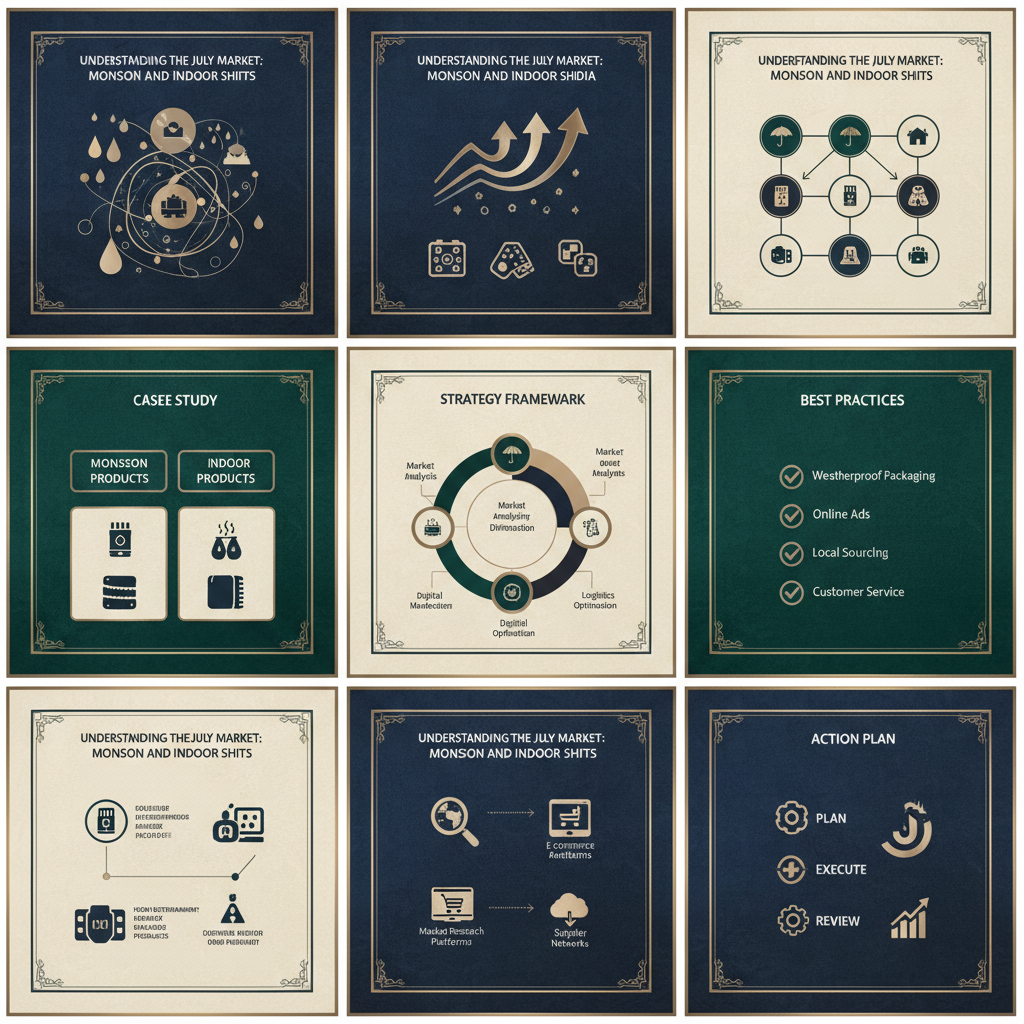 Understanding the July Market: Monsoon and Indoor Shifts – Visual Guide
 July in India is synonymous with the Southwest Monsoon, a period that dictates almost every aspect of daily life. For dropshippers, this means the ‘Outdoor’ category undergoes a massive transformation. According to ciim.in, success in the Indian market depends heavily on choosing items that are easy to ship and have a low Return to Origin (RTO) rate. During July, logistics can be slowed by heavy rains, making lightweight, durable products your best friends.
We see a massive surge in demand for ‘Life-Hacks’ that solve rain-related problems. This includes waterproof shoe covers, inverted umbrellas, and portable clothes dryers. Because people spend more time indoors, the ‘Home Improvement’ and ‘Kitchen Gadget’ categories also see a steady climb in engagement. As noted by shiprocket.in, identifying these sustained demands rather than just spotting fleeting trends is what separates profitable stores from those that burn through ad spend.
| Category | July Demand Level | RTO Risk | Target Audience |
| Monsoon Gear | Extreme | Medium | Commuters/Office Workers |
| Indoor Fitness | High | Low | Health Enthusiasts |
| Summer Apparel | Low | High | Discount Hunters |
| Kitchen Gadgets | High | Low | Homemakers/Working Professionals |
Why Monsoon Essentials and Wellness Matter in 2026
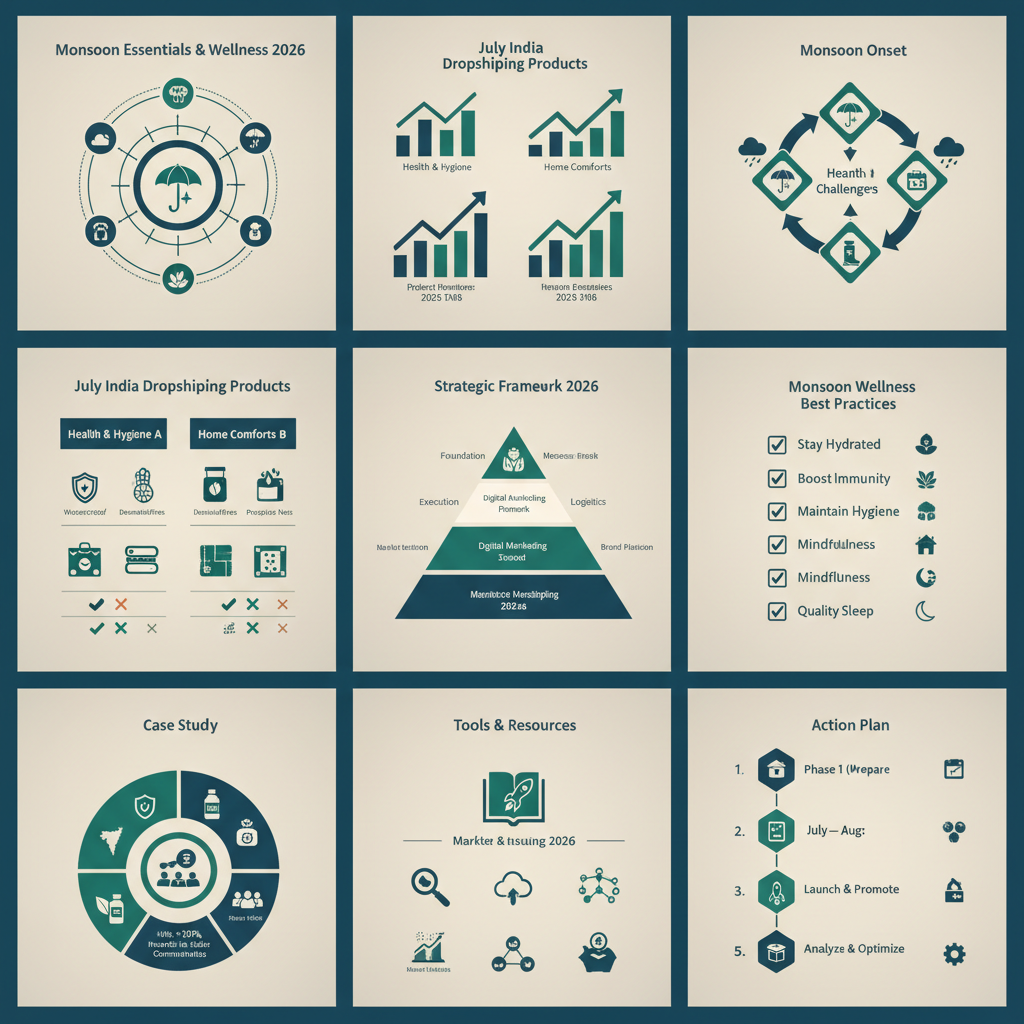 Why Monsoon Essentials and Wellness Matter in 2026 – Visual Guide
 The Indian wellness economy is no longer a niche; it is a primary driver of eCommerce growth. By 2026, the beauty and personal care market in India is projected to reach $30 billion, as reported by ciim.in. In July, this manifests as a focus on ‘Skin Rescue’ products. The high humidity levels lead consumers to search for anti-frizz hair serums, waterproof makeup, and deep-cleansing facial tools.
Furthermore, health-conscious Indians are shifting their workouts from parks to living rooms. According to nimbuspost.com, lifestyle upgrades and value-driven choices are now more important to Indian shoppers than simple discounts. This makes home fitness equipment like resistance bands, yoga mats, and adjustable dumbbells high-margin winners for the month of July. At ASG, we’ve observed that products promoting ‘Salon-like results at home’ perform exceptionally well in video ads during this period.
| Product | Why It Wins in July | Margin Potential |
| Ice Face Rollers | Humidity relief/Skincare | 60% |
| Resistance Bands | Rain-proof indoor fitness | 50% |
| Waterproof Phone Pouches | Essential for commuters | 75% |
| Dehumidifier Bags | Protects wardrobes from mold | 40% |
Implementation Strategies: Pricing and Payment Optimization
In India, the strategy for July must account for the ‘COD Culture.’ Over 60% of eCommerce orders are still paid via Cash on Delivery (COD), which directly impacts your cash flow and RTO rates. As aerodrop.ai suggests, the ‘sweet spot’ for pricing in India is between ₹500 and ₹3,000. If you go above this, the impulse-buy trigger weakens; if you go below, your margins won’t cover the shipping and RTO costs.
To implement a successful July campaign, you should use ‘Social-First’ marketing. Platforms like Instagram Reels and Josh are the primary discovery engines for Indian Gen Z and Millennials. I recommend focusing on ‘Problem-Solution’ videos. Show a commuter getting their shoes ruined by rain, then introduce your waterproof silicone shoe covers. This visual proof is essential for building trust in a market where consumers are increasingly wary of ‘fake’ products, a concern we address at ASG by vetting our 2,300+ partner factories.
Common Mistakes to Avoid: The RTO Trap
The biggest mistake I see sellers make in July is ignoring the sizing issue. Apparel is a tempting category, but in India, high return rates due to fit issues can kill a business. According to ciim.in, categories like lingerie and innerwear are actually safer because they have lower return rates for hygiene reasons and simpler sizing charts.
Another failure point is neglecting delivery speed during the monsoon. Heavy rains can delay transit. If a customer waits 15 days for a COD order, they are much more likely to refuse the package at the doorstep. According to nimbuspost.com, shipping speed expectations in 2026 have tightened significantly. You must work with agents who can provide 5-10 day delivery even during peak weather events. Avoid dropshipping directly from overseas suppliers without a local fulfillment strategy if you want to keep your RTO below 20%.
Pro Tips from Janson: Leveraging the ‘Festive Warm-up’
Here is an insider secret: July is the ‘Golden Window’ to collect data for the massive festive season (Diwali and Rakhi) that starts in August. Use July to test your audiences and pixel data. According to aerodrop.ai, festival-driven demand creates seasonal spikes that you need to be prepared for weeks in advance.
I always tell my clients to look for ‘Bridge Products.’ These are items that solve a current July problem but have long-term utility. For example, high-quality LED ring lights or vlogging kits. Since more people are creating content indoors due to the rain, these tools are in high demand now, but they also serve as great gifts for the upcoming festive season. By starting your ads in July, you build the ‘Entity’ and ‘Authority’ signals that AI-driven search and social algorithms look for, giving you an edge when the competition heats up in September.
Key Takeaways & Next Steps for Your Store
To wrap up, your July strategy should be a mix of ‘Monsoon Survival’ and ‘Indoor Lifestyle.’ The Indian market is maturing; shoppers are looking for quality and time-saving solutions rather than just the cheapest price. As shiprocket.in highlights, researching your niche and evaluating the competition’s profit margins is vital before launching.
Start by selecting 3-5 products from the high-demand categories we discussed. Focus on creating high-quality video content that demonstrates the product’s utility in a rainy or indoor environment. Ensure your pricing is optimized for the Indian market, and most importantly, partner with a reliable fulfillment service like ASG to ensure your orders reach customers before they lose interest. The $345 billion eCommerce market in India is waiting—are you ready to take your share?
Sources and further reading (selected)
- CIIM – Top 10 Products: Analysis of high-margin, low-RTO products specifically for the Indian market. Read more →
- NimbusPost: Market report on Indian consumer buying patterns and eCommerce growth projections for 2030. Read more →
- CIIM – Profitable Niches: Detailed breakdown of the most profitable niches in India for 2026, including health and beauty. Read more →
- AeroDrop: Insights into Indian consumer behavior, price sensitivity (₹500-₹3000 range), and COD trends. Read more →
- Shiprocket: Logistics-focused trends and trending product lists for the Indian eCommerce landscape. Read more →
- India Brand Equity Foundation (IBEF): Macroeconomic data on India’s digital economy and retail sectors. Read more →
- Statista – India eCommerce: Statistical data on internet penetration and online shopping growth in India. Read more →
- Google Trends India: Real-time search data for monsoon-related keywords and products in India. Read more →
- Shopify India Blog: Platform-specific insights for dropshippers operating within the Indian region. Read more →
- ASG Case Studies: Internal data from 6,000+ clients on RTO rates and winning product categories. Read more →


 Optimized by Seraphinite Accelerator