Mastering dropshipping peak seasons in 2026 requires proactive inventory forecasting, reliable direct-factory sourcing, automated order processing, enhanced branding, dynamic marketing scaling, optimized logistics routing, and superior customer support—turning high-demand periods into massive profit opportunities while avoiding common pitfalls like stockouts and delays.
Why Peak Season Preparation is Critical for Dropshipping Success
Many dropshipping entrepreneurs struggle during peak seasons when demand surges and logistics become chaotic. As CEO of ASG dropshipping, I’ve navigated countless peak seasons and discovered that proper preparation is everything—especially when considering structures like an LLC for high-ticket dropshipping or expanding into markets like dropshipping stores in South Africa. This article shares the exact strategies that helped our clients increase sales by 300% during last year’s holiday season. We’ll cover everything from inventory management to customer service excellence during dropshipping peak periods.
Let me be honest with you – peak season in dropshipping is both exhilarating and terrifying. One minute you’re celebrating record-breaking sales, the next you’re dealing with shipping delays and angry customers. I’ve been there. In 2024, one of our clients nearly lost their business during Black Friday because their supplier couldn’t handle the volume.
That’s why I created ASG’s comprehensive dropshipping solution. We serve over 2,300+ factory partners and maintain a typical typically 1-3 day processing time even during peak season. According to recent ecommerce data, 68% of dropshipping failures occur during high-demand periods due to poor logistics and inventory management.
What This 2026 Guide Covers
In this guide, I’ll walk you through the exact framework we use at ASG to help our clients not just survive, but thrive during dropshipping peak seasons. We’ll cover:
- How to prepare your inventory 90 days before peak season hits
- Why direct factory sourcing beats traditional suppliers (we save clients 40% on average)
- Real-time inventory management strategies that prevent stockouts
- Custom branding solutions that convert one-time buyers into loyal customers
- Our 4PL total distribution system that handles everything from warehousing to last-mile delivery
Whether you’re just starting or scaling your dropshipping business, these insights come from real experience handling millions of orders during peak seasons.
The article features seven main sections, each focusing on critical aspects of preparing for and succeeding during dropshipping peak seasons, from foundational strategies and logistics to branding, customer service, and future-proofing.
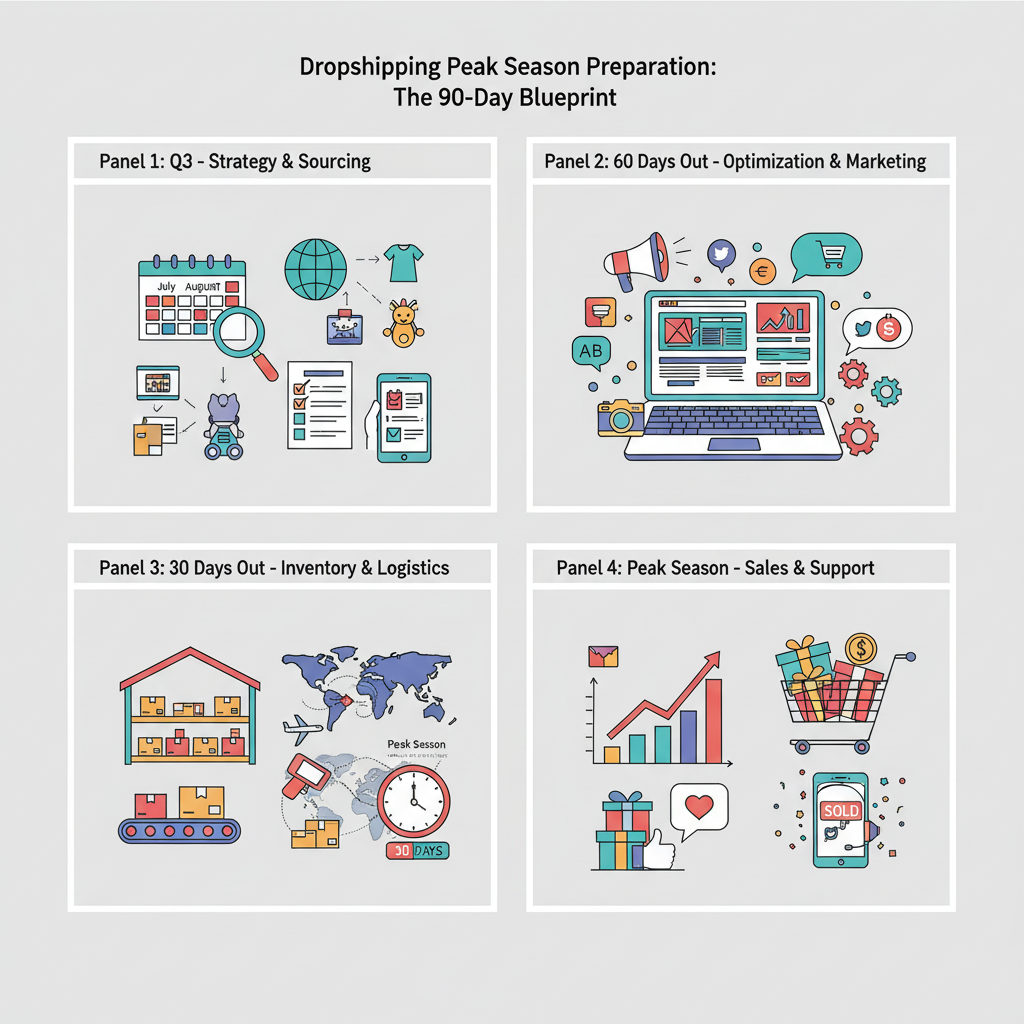
- Dropshipping Peak Season Preparation: The 90-Day Blueprint
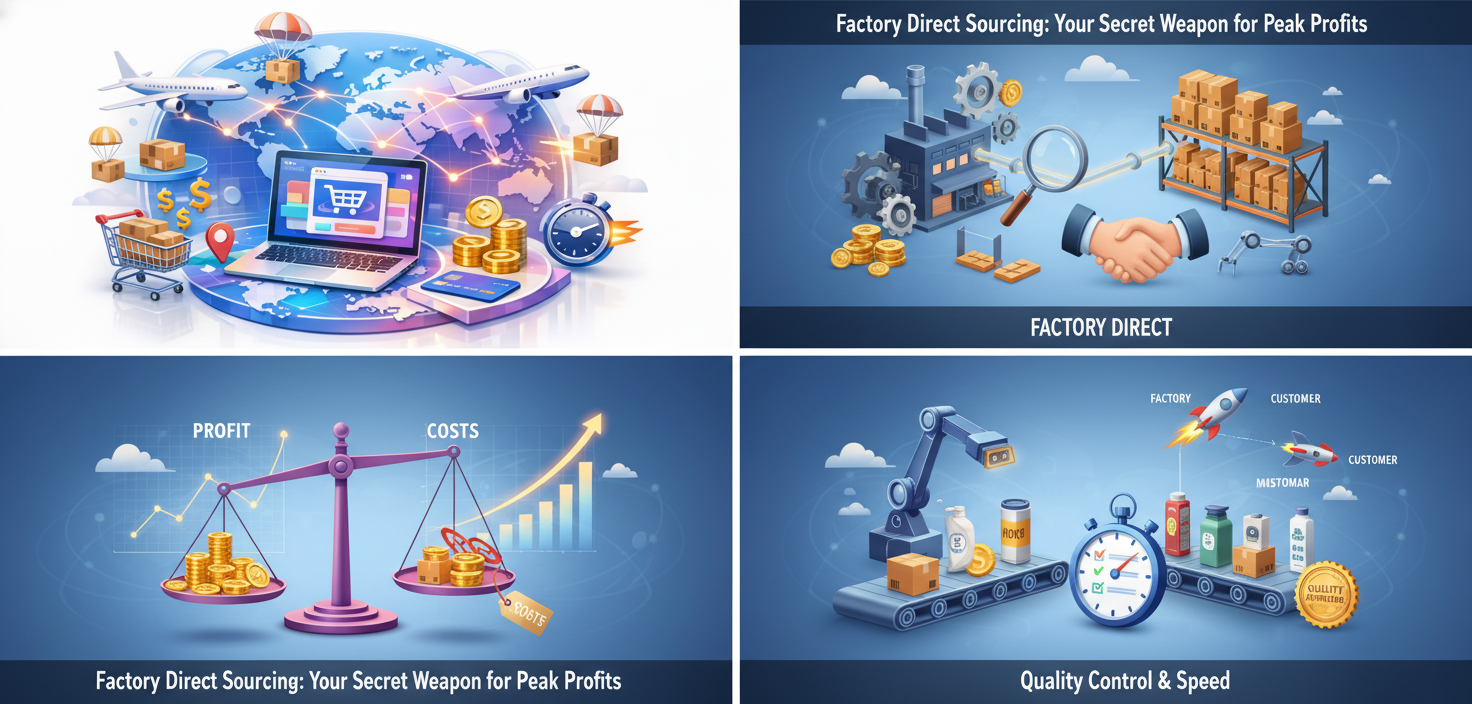
- Factory Direct Sourcing: Your Secret Weapon for Peak Profits
- Real-Time Inventory Management During High Demand
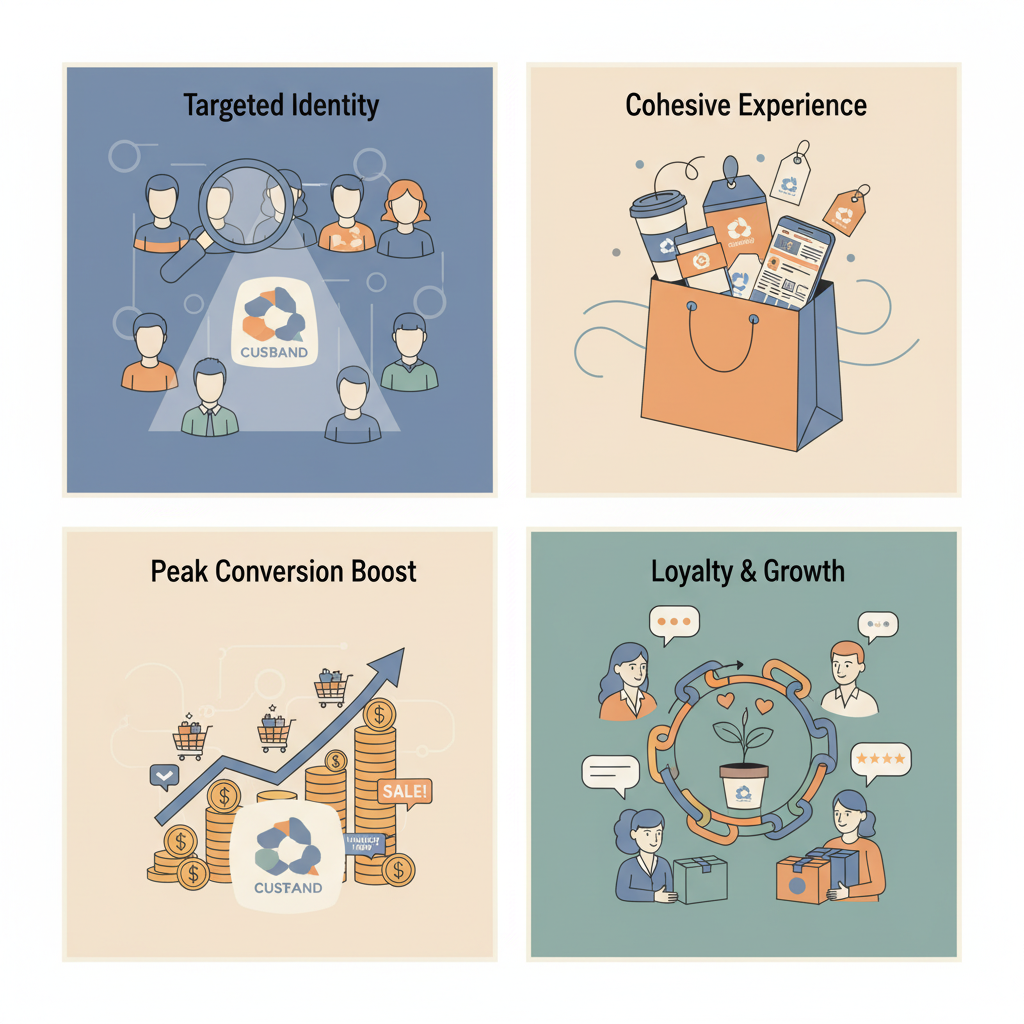
- Custom Branding Solutions That Convert During Peak Sales
- ASG’s 4PL Total Distribution Solution: Peak Season Logistics Mastered
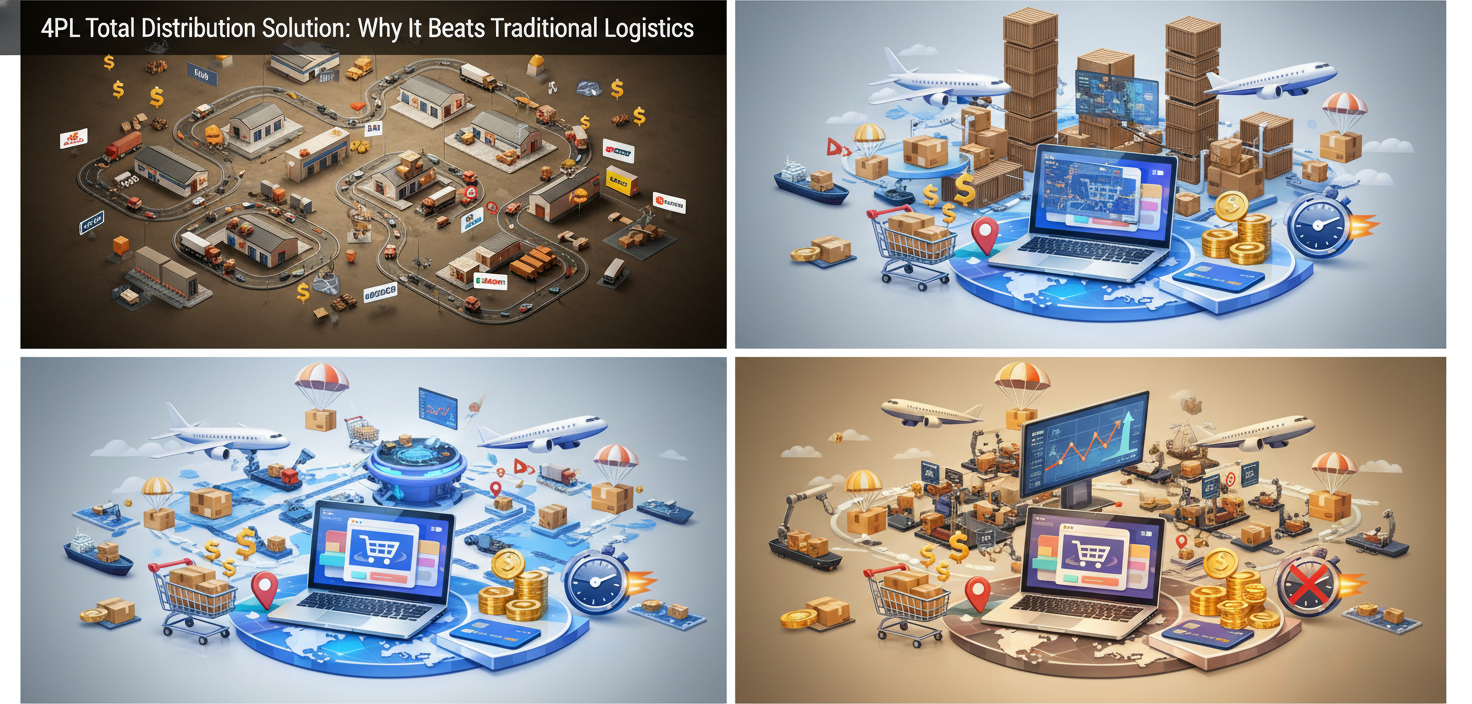
- 4PL Total Distribution Solution: Why It Beats Traditional Logistics
- Dropshipping Peak Season Customer Service Excellence
Dropshipping Peak Season Preparation: The 90-Day Blueprint
What is Dropshipping? The Bare-Knuckle Truth from a 10-Year Veteran
Let’s cut through the noise. I’m Janson, and I’ve been in the e-commerce trenches since dropshipping was more of a clunky workaround than a streamlined business model. I’ve seen the hype cycles, the get-rich-quick schemes crash and burn, and the few who built lasting empires. Today, ASG helps thousands of sellers navigate this landscape. So, when I define dropshipping, it’s not from a textbook. It’s from the warehouse floor, from frantic supplier calls, and from the joy of seeing a client’s brand succeed.
At its core, dropshipping is a retail fulfillment method where you, the store owner, sell products without holding any physical inventory. When a customer places an order on your store, you purchase the item from a third-party supplier (like ASG), who then packages and ships it directly to your customer. You never see or handle the product.
Sounds simple, right? It is, in theory. But the devil—and the profit—is in the execution. The romanticized version skips the hard parts: finding reliable suppliers, managing logistics across continents, handling returns gracefully, and building a brand that customers trust. That’s where most beginners hit a wall, and that’s precisely the gap we founded ASG to fill.
The Nuts and Bolts: How Dropshipping Actually Works
Forget the vague explanations. Here’s the real-world workflow, the one we optimize for our clients every single day:
1. You List & Market: You add a product to your Shopify, Etsy, or Amazon store. You craft the description, set the price, and run ads. This is your domain—the face of your business.
2. Customer Orders: A sale comes through! You receive the order and payment on your platform.
3. You Automate the Fulfillment (The Magic Step): This is where a service like ASG kicks in. Instead of you manually emailing a supplier, our system (via our Shopify App or integrated sheets) automatically forwards the order details to us. We become your silent fulfillment partner.
4. We Source & Ship: We purchase the item from our network of vetted, pre-negotiated factories or from 1688. We then pick, pack, and ship it directly to your customer’s doorstep, often with your branded packaging.
5. You Profit: The difference between your selling price and our wholesale cost (plus shipping) is your profit. Your customer gets their item, thinking it came directly from you.
The beauty is the leverage. You focus on marketing and customer acquisition—the high-value tasks. We handle the complex, capital-intensive, and operationally heavy lifting of inventory and logistics. This separation of powers is what makes it so accessible, especially during a dropshipping peak season when order volume can 10x overnight.
Why Bother? The Strategic Importance of This Model
Why has dropshipping exploded? It’s not a fad; it’s a fundamental shift enabled by global connectivity and platforms like Shopify. Its importance lies in its unique value proposition:
Radically Low Barrier to Entry: You can test a business idea with minimal upfront capital. No need to invest thousands in inventory. This democratizes entrepreneurship. A Shopify report highlights this as the 1 reason new merchants choose the model.
Unmatched Flexibility & Scalability: Want to pivot from selling yoga mats to cat trees? You can do it instantly without being stuck with obsolete stock. During a sales surge, a good supplier scales with you seamlessly—you’re not limited by your garage space.
Focus on Your Core Competency: Your job is to build a brand, understand your audience, and drive sales. You’re not a logistics manager or a quality control inspector. This focus is a massive competitive advantage.
Global Reach from Day One: You can source unique products from specialized factories worldwide and sell them to any market. Your store is a global boutique from launch.
The Two Main Archetypes: Which Path Are You On?
Not all dropshipping is created equal. In my experience, sellers gravitate towards one of two paths:
The Generic/Aliexpress Model: This is the “old school” method. You list products from massive marketplaces, often with long shipping times (15-30+ days), generic packaging, and little quality control. It’s a race to the bottom on price and a constant battle with customer complaints. This is what gives dropshipping a bad name.
The Private Supplier/Branded Model (The ASG Way): This is the modern, professional approach. You partner with a dedicated agent or company that provides faster shipping (6-10 days to the US/EU), consistent quality checks, white-label/branded packaging, and dedicated support. You’re building a real business, not just running a fleeting store. The profit margins are healthier, and customer lifetime value soars.
The trend is decisively moving toward the second model. Customers today expect Amazon-like speed and a branded experience. The generic model struggles to keep up, especially post-pandemic.
The Dropshipping Success Table: It’s More Than Just a Product
New sellers often think, “Find a winning product, and you win.” That’s about 20% of the battle. Here’s what the other 80% looks like, based on what I see our most successful clients master:
| Key Element |
What It Really Means |
The Pro-Tip (From Our Trenches) |
| Product Selection |
Not just a “hot” item, but one with reliable supply, good margin potential, and low return rate. |
Use tools like Google Trends, but also talk to your supplier. Ask about MOQs and production lead times before you commit. |
| Supplier Relationship |
Your most critical asset. It’s about reliability, communication speed, and problem-solving willingness. |
A good supplier proactively informs you of stock issues. A great one, like we strive to be, finds an alternative or upgrades the product at no cost to maintain your store’s reputation. |
| Branding & Customer Experience |
This is your moat. It’s your store’s story, your unboxing experience, your post-purchase email sequence. |
Even small touches—a custom thank-you card, quality packaging—can reduce chargebacks and increase repeat purchase rates by 30% or more. We see this data with our branding clients. |
| Logistics & Shipping |
The silent brand killer or hero. Transparency and speed are non-negotiable. |
Always have a tracked shipping option. At ASG, we use a mix of carriers to balance cost and speed, ensuring a dropshipping peak doesn’t become a logistics meltdown. |
| Customer Service |
You are the front line. Your supplier should be your backup. How returns and issues are handled defines you. |
Have a clear, generous policy. Then, ensure your supplier (us) has a streamlined process to handle the backend quickly, so you can refund or replace without weeks of delay. |
Busting the Big Myths: Let’s Get Real
Let me address the elephants in the room with some hard facts:
Myth: “Dropshipping is dead / has low profits.”
Reality: The generic, slow-shipping model is saturated and tough. The branded, fast-fulfillment model is thriving. Profits are a function of your margin, customer acquisition cost, and repeat business. With the right product and supplier, 25-40% net margins are very achievable. A NielsenIQ report shows branded dropshipping growing as a key retail strategy.
Myth: “It’s completely passive and easy.”
Reality: It’s a real business. Marketing, customer service, and brand building demand significant work. The fulfillment is passive if you have a great partner. The business itself is not.
Myth: “You have no control over product quality or shipping.”
Reality: This is only true if you choose a bad supplier. With a partner like ASG, we act as your quality control. We send sample videos, inspect bulk orders, and choose reliable logistics partners. You gain control through a professional partnership.
Myth: “It’s only for small volumes.”
Reality: Some of our largest clients process hundreds of orders daily through our system. Dropshipping scales beautifully because the inventory risk and fulfillment complexity are handled by a specialized partner designed to scale. Handling a dropshipping peak is our daily operation.
Understanding these fundamentals is your foundation. It’s what separates the dreamers from the builders. In the next section, we’ll get our hands dirty and talk about how to actually find those products that can turn this model into a profitable engine for your brand.

Factory Direct Sourcing: Your Secret Weapon for Peak Profits
Building a Dropshipping Business: From Understanding the Problem to Seizing the Peak
Okay, so you’re intrigued by dropshipping. You see the stories, you’ve heard the buzz, and you want to know if you can build something real. But before you jump in, you need to understand the landscape you’re entering—warts and all. This isn’t just about finding a trendy product; it’s about building a resilient business model that can survive and thrive.
Think of it this way: I’ve seen countless sellers come in hot during a dropshipping peak—maybe around Black Friday or after a product goes viral on TikTok. They make a few quick sales, get excited, and then… the whole thing collapses. Why? Because they built on sand, not bedrock. They didn’t understand the fundamental problems and pressures of this model. Let’s break down what’s really going on.
The Core Problem Most Dropshippers Face (It’s Not What You Think)
The biggest issue isn’t competition or ad costs. It’s a severe and often invisible mismatch between front-end promises and back-end reality.
Your customer expects Amazon-like speed and reliability. You, the seller, are often dependent on a supply chain (often overseas) that is fragmented, slow, and opaque. This creates a fundamental tension. A Statista report shows that over 40% of online shoppers abandon their cart due to extra costs or slow delivery times Statista: Shopping Cart Abandonment. In dropshipping, with its typically longer shipping times, this risk is magnified.
You’re marketing a 2-day delivery mindset, but your logistics might be operating on a 15-30 day timeline. This disconnect erodes trust, kills repeat business, and leads to a massive volume of customer service complaints. It’s the primary reason many dropshipping stores have a short lifespan. They fail at the fulfillment stage, not the marketing stage.
A Detailed Analysis of the “Peak Season” Pressure Cooker
Let’s talk about the dropshipping peak. This is your ultimate stress test. Holidays like Q4 (October-December) can represent a massive portion of your annual revenue. According to the National Retail Federation, holiday sales have grown year-over-year, putting immense pressure on logistics NRF: Holiday Sales.
During a peak:
Order Volume Spikes Exponentially: What was 5 orders a day becomes 50 or 500. Manual processes break immediately.
Supplier Capacity is Strained: Your favorite AliExpress supplier is swamped with orders from thousands of other dropshippers. Quality control slips, processing times balloon.
Logistics Networks Congest: Ports, airports, and local postal services get overloaded. That 15-day shipping estimate can easily become 40+ days.
Customer Patience Vanishes: Holiday gifts have deadlines. Delays are not tolerated.
If your system isn’t built to handle this, the dropshipping peak will expose every weakness. It’s not an opportunity; it’s a threat to an unprepared business.
Key Influencing Factors That Make or Break Your Operation
Success hinges on controlling more variables than just your ad spend. Here are the critical levers:
1. Supplier Reliability & Communication: Are they proactive about stock issues? Can they scale with you? A supplier who ghosts you when you have 100 pending orders is a business killer.
2. Order Processing Speed: The clock starts ticking the moment a customer clicks “buy.” The faster your supplier picks, packs, and dispatches, the happier your customer. At ASG, we obsess over a processing window that is typically 1-3 days because we control that stage.
3. Shipping Method & Carrier Partnerships: E-Packet is cheap but slow and fragile. Premium lines cost more but offer tracking and speed. Your choice directly impacts customer satisfaction and your store’s reputation.
4. Inventory Transparency: Selling an item that’s already out of stock at your supplier is a catastrophic error. You need real-time or near-real-time inventory syncing.
Tailored Solution Strategies for Different Seller Scenarios
Your strategy should fit your stage and goals.
For the Newcomer (Testing Phase): Your goal is validation, not profit. Start with a hyper-focused niche. Use suppliers that offer sample services. At ASG, we encourage testing with up to 5 products, and we provide video sample checks so you can see quality before committing. This de-risks your initial foray. Your solution is about learning and minimizing upfront cost.
For the Growth-Stage Seller (Scaling Phase): You’ve found a winner. Now, efficiency is king. You must move away from manual order forwarding. Implement automation via APIs or dedicated platforms. This is where a partnership with a dedicated agent like ASG becomes crucial—we become your outsourced fulfillment department, handling procurement, quality checks, and shipping logistics so you can focus on marketing and customer acquisition.
For the Established Brand (Optimization Phase): Your focus shifts to margin, customer loyalty, and brand perception. You need white-label services, custom packaging, and the fastest possible reliable shipping to match your brand promise. You’re not just dropshipping; you’re building a branded consumer experience.
The 4 Non-Negotiable Factors for Dropshipping Success
Based on my years in the trenches, if you ignore these, you will fail.
1. Reliable & Scalable Fulfillment: This is the engine. It must work every day and be able to handle 10x volume during a dropshipping peak without missing a beat.
2. Transparent Communication (You ↔ Agent ↔ Customer): Problems will occur. How you communicate about delays or issues defines your brand. Proactive updates beat angry customer emails every time.
3. Quality Control Mechanisms: You are liable for what the customer receives. Implementing checks—whether via agent inspections or sample orders—is mandatory to avoid returns and negative reviews.
4. Financial Resilience for Cash Flow: Dropshipping has a cash flow gap. You pay your supplier after you’ve paid for ads and before your payment gateway releases funds to you (which can take days). You need a buffer.
Realistic Time & Cost Analysis: A Practical Table
Let’s move beyond theory. Here’s a comparison based on common models:
| Factor |
Traditional AliExpress Dropshipping |
Using a Specialized Fulfillment Agent (e.g., ASG) |
| Product Sourcing Time |
1-3 hours per product (research, vetting) |
Minimal (agent provides curated options or sources per request) |
| Order Processing Time |
3-7+ business days (highly variable) |
typically 1-3 business days (contractual standard) |
| Shipping Time to USA |
15-40+ days (often untracked or slow) |
6-12 days (via fast e-commerce lines) |
| Per-Order Operational Cost |
Lower direct product cost, but hidden costs in time, disputes, and lost customers. |
Slightly higher product + service fee, but offset by higher conversion rates, repeat sales, and saved time. |
| Scalability During Peak |
Very Poor. Manual, prone to collapse. |
Built for scale. Automated systems and dedicated staff handle volume spikes. |
| Your Primary Role |
Customer service agent, logistics coordinator, supplier manager. |
Marketer & business owner. |
Common Operational Challenges and My Countermeasures
Challenge: The “Out of Stock” Surprise.
Countermeasure: Work with agents or suppliers who provide automated inventory updates. Never list a product without understanding restock cycles. Have backup suppliers for top-selling items.
Challenge: Poor Product Quality Leading to Returns.
Countermeasure: Always order a sample first. For key products, mandate pre-shipment quality inspection photos or videos from your agent. This one step saves immense headache.
Challenge: Logistics Tracking Black Hole.
Countermeasure: Use shipping methods with reliable tracking all the way to delivery. Invest in apps that auto-update customers with tracking info. Transparency reduces support tickets by over 50% in my experience.
Challenge: Managing Customer Expectations on Delivery.
Countermeasure: Be brutally honest on your shipping policy page. Under-promise and over-deliver. If you can deliver in 12 days, advertise “10-15 business days.” The delight of an early arrival is a powerful tool.
Best-Practice Summary: The Professional’s Checklist
To not just play at dropshipping but to master it, make this your mantra:
1. Source Strategically: Don’t chase fads alone. Find products with year-round appeal and reliable suppliers. Use agents to bridge the gap to quality factories.
2. Automate Relentlessly: From order import to tracking updates, remove manual steps. Your time is for strategy and growth.
3. Communicate Proactively: Set clear expectations upfront and update customers at every stage—order confirmed, item shipped, in transit.
4. Plan for the Peak: Well before the dropshipping peak season, stress-test your supply chain. Confirm supplier capacity, secure your shipping lines, and prepare your customer service templates.
5. Reinvest in Your Brand: The first profits should go into improving the customer experience—faster shipping, custom packaging, unboxing experiences. This turns one-time buyers into a loyal audience.
Building a sustainable dropshipping business is about replacing fragility with robustness at every link in the chain. It’s a deliberate, operational challenge, not a get-rich-quick scheme. Get these fundamentals right, and you’ll be positioned not just to survive the next dropshipping peak, but to conquer it.
Real-Time Inventory Management During High Demand
Strategy: The Backbone of Peak Dropshipping Success
Let’s be honest: without a solid strategy, you’re just throwing products at a wall and hoping something sticks. That might work in the beginning, but it won’t build a sustainable business capable of handling a true dropshipping peak. My experience has taught me that a winning strategy is equal parts preparation, data analysis, and ruthless prioritization.
Think of it like preparing for a marathon. You wouldn’t just show up on race day without training, right? The peak season is your race day. Your strategy is your training plan. You need to map out every critical aspect: your financial runway, your target customer profiles, your key marketing channels, and your operational contingency plans. A common strategic failure I see is sellers focusing solely on customer acquisition while ignoring their fulfillment capacity. They spend heavily on ads, generate a massive dropshipping peak in orders, and then watch their supplier collapse under the strain, leading to delayed shipments, poor reviews, and chargebacks. The strategy must be holistic.
Pro-Tip from Janson: Don’t build a strategy in a vacuum. Your sourcing and fulfillment partner is a core part of it. At ASG, we advise clients to share their sales projections and growth targets with us before the peak hits. This allows us to pre-allocate warehouse space, secure dedicated logistics lanes, and ensure our 2300+ factory network is primed for your specific product demand. This collaborative approach is what turns a potential operational disaster into a scalable success story during the dropshipping peak. A study by McKinsey & Company on supply chain resilience emphasizes that visibility and collaboration with key partners are critical for managing demand volatility source: McKinsey & Company, “Supply-chain resilience: Is there a silver lining?”.
Technology: Your Force Multiplier in the Trenches
In the early days, we managed everything with spreadsheets and a lot of manual copy-pasting. It was a nightmare, especially when volume scaled. Today, refusing to leverage technology isn’t frugal; it’s suicidal for anyone aiming to capitalize on a dropshipping peak. The right tech stack automates the tedious, minimizes errors, and provides the real-time visibility you desperately need.
The core of your tech should be an ERP or a dedicated dropshipping automation platform. This system should seamlessly connect your storefront (like Shopify), your supplier(s), and your logistics. For our clients, our proprietary Shopify App and backend ERP are this nerve center. When an order comes in, it’s automatically pushed to our system, triggering procurement, packing, and shipping workflows without a single manual click from the seller. This isn’t just about speed; it’s about accuracy and freeing up your mental bandwidth. During a dropshipping peak, this automation is the difference between processing 50 orders a day and 500.
Essential Tech Checklist:
Store Platform: Shopify (for its vast app ecosystem and ease of use).
Automation Hub: Your supplier’s integrated system (like ASG’s) or a third-party tool like AutoDS or Ecomdash.
Analytics: Google Analytics 4 for web traffic, and platform-specific dashboards for ad performance (Facebook Ads Manager, Google Ads).
Communication: A centralized tool like Slack or Discord for your team, and a direct line (like WhatsApp) to your fulfillment partner for urgent issues.
Innovation: Beyond the Basic “Import from Aliexpress” Model
Innovation in dropshipping isn’t about inventing a new product; it’s about innovating in the experience you deliver. This is what separates market leaders from the crowded pack of generic stores, especially when everyone is competing for attention during the dropshipping peak.
The most potent form of innovation we champion at ASG is branded fulfillment. This goes far beyond slapping a logo on a product. It’s about creating a memorable unboxing experience that makes the customer feel they purchased from a real brand, not a faceless dropshipper. We offer custom packaging, branded thank-you cards, and even “surprise and delight” inserts. The data is clear on this: a report by Dotcom Distribution found that 40% of consumers are more likely to make a repeat purchase from an online merchant that delivers premium packaging source: Dotcom Distribution, “eCommerce Consumer Study”. During a competitive dropshipping peak, this enhanced perceived value can drastically reduce returns and increase customer lifetime value.
Another innovative frontier is product bundling and customization. Instead of just selling a single item, use data to create smart bundles (e.g., a skincare set, a phone accessory kit). This increases average order value and simplifies logistics for you.
Advanced Optimization: Squeezing Every Ounce of Performance
Once the basics are running, advanced optimization is how you achieve breakout profitability. This is the “secret sauce” level, where small tweaks yield disproportionate results. Let’s break down a few key areas.
Supply Chain Cost Optimization: It’s not just about the product price. Work with your agent to analyze the total landed cost—product cost, domestic shipping to their warehouse, international shipping, and packaging. Sometimes, a slightly higher product cost from a factory closer to the agent’s warehouse results in a lower total cost due to saved domestic freight. We perform this analysis routinely for our clients, often finding 10-15% savings in hidden logistics costs.
Marketing Funnel Optimization: Don’t just look at top-of-funnel clicks. Deep-dive into your post-purchase data. Use pixel tracking to build custom audiences of people who have purchased during a previous dropshipping peak. Create lookalike audiences from your best customers. Implement email/SMS flows for post-purchase reviews, cross-sells, and loyalty building. The profit is in the repeat customer.
Pro-Tip from Janson: Implement A/B testing on your product pages before the peak. Test different images, video vs. static, long-form vs. short-form copy, and even different pricing anchors. The winning variant, when scaled with peak traffic, can dramatically boost your conversion rate.
Comparative Analysis: Agent vs. Platform vs. DIY
Choosing your fulfillment model is a fundamental decision with massive implications for handling a dropshipping peak. Let’s compare the three main paths.
DIY (Direct from Alibaba/1688):
Pros: Maximum control, theoretically lowest product cost.
Cons: Immensely time-intensive, requires fluency in Chinese and logistics, high minimum order quantities (MOQs), massive quality control risk, zero scalability during a peak. One missed shipment or quality issue can sink your store.
Verdict: Only for those who want to build a manufacturing business, not a dropshipping business.
Platforms (AliExpress, CJdropshipping):
Pros: Easy to start, vast product selection, low/no MOQ.
Cons: Inconsistent supplier quality, longer and less reliable shipping times, fragmented communication, almost no brand customization, prone to stockouts during peaks.
Verdict: A good testing ground for absolute beginners, but a significant bottleneck for scaling and surviving a serious dropshipping peak.
Professional Dropshipping Agent (Like ASG):
Pros: Curated supplier network for quality/consistency, consolidated shipping for faster/cheaper delivery (our average is 6-10 days), dedicated account management, brand customization services, scalable infrastructure built for peaks.
Cons: May have a minimum activity requirement (we start at 5 orders for testing), less “hands-on” product selection than DIY.
Verdict: The professional choice for sellers serious about building a brand and scaling reliably. The agent becomes an extension of your operations, specifically engineered to manage dropshipping peak volumes.
Tools & Resource Recommendations (Beyond the Basics)
Here’s a shortlist of tools I personally recommend or see our most successful clients using. This goes beyond the standard Shopify apps.
Competitive Intelligence: Jungle Scout (for Amazon) or SEMrush/Ahrefs (for general e-commerce and SEO). Knowing what’s trending before it explodes is key.
Customer Service & Retention: Gorgias or Re:amaze. They unify support tickets from email, social, and SMS, and allow for automation that saves hours during a peak.
Liability & Legal: TermsFeed for generating GDPR, Terms & Conditions, and Privacy Policy pages. Don’t overlook this.
Financial Management: QuickBooks Online or Xero, integrated with your store. Clear bookkeeping is non-negotiable.
Resource for Continuous Learning: eCommerceFuel community and the My Wife Quit Her Job podcast. Surround yourself with professional voices, not just “get-rich-quick” gurus.
Pre-Peak Implementation Checklist
Don’t just read this; execute it. Print this out and tick each box at least one month before your anticipated dropshipping peak.
Financial: Secure a cash reserve or credit line to cover increased ad spend and inventory procurement.
Supplier/Fulfillment: Conduct a strategy call with your agent. Confirm lead times, stock levels for your top 20 products, and peak-season surcharges (if any).
Website: Perform speed tests (using Google PageSpeed Insights). Optimize images, enable lazy loading. Ensure your hosting plan can handle traffic spikes.
Inventory: List best-sellers as “pre-order” or implement low-stock alerts if inventory is uncertain.
Marketing: Pre-produce ad creatives (images, videos). Prepare email/SMS campaign sequences for the peak period (launch, reminder, last-chance).
Customer Service: Draft templated responses for common peak-season queries (shipping delays, order status). Train any support staff.
Legal: Ensure your refund/return policy is clear and visible, especially regarding holiday deadlines.
Error Diagnosis & Quick Fixes During the Storm
Even with the best plans, things go wrong. Here’s how to diagnose and fix common dropshipping peak fires.
Problem: Sudden Drop in Conversion Rate.
Diagnosis: Check your site speed immediately. Use a tool like GTmetrix. A one-second delay can reduce conversions by 7% source: Portent, “Site Speed & Commerce”. Also, check if your payment gateway is down.
Quick Fix: Disable any newly added heavy scripts or apps. Contact your hosting provider. Have a backup payment processor like PayPal ready.
Problem: Supplier Reports Stock Out on a Best-Seller.
Diagnosis: This is a failure of proactive communication.
Quick Fix: Immediately pause ads for that product. Update the product page to “Out of Stock” or “Restocking Soon.” Email customers who purchased it with a realistic timeline or an alternative product offer. With ASG, our system provides real-time inventory sync and early low-stock warnings to prevent this scenario.
Problem: Shipping Tracking Shows No Movement for 7+ Days.
Diagnosis: The package is likely stuck in a logistics hub or customs.
Quick Fix: First, use a universal tracking site like 17Track.net for a clearer status. Then, provide the customer with a transparent update: “Your order is in transit internationally. Customs processing can sometimes cause delays. We are monitoring it closely.” Proactive communication prevents most support tickets and negative reviews. Your fulfillment agent should handle the carrier inquiry on the backend.
Problem: Chargeback Spike.
Diagnosis: Usually caused by long shipping times the customer wasn’t prepared for, or a product not matching the description.
Quick Fix: For future orders, ensure your shipping estimates are conservative on the product page. Use high-quality, accurate images/videos. For current chargebacks, respond promptly with all documentation (tracking, proof of delivery, customer communication). The key is prevention through accurate marketing and reliable fulfillment.
Custom Branding Solutions That Convert During Peak Sales
Section 4: The Future of Cross-Border E-commerce and Dropshipping: Trends, Forecasts, and How to Win
The landscape of cross-border e-commerce isn’t just changing; it’s accelerating at a pace that leaves many sellers scrambling. Having steered ASG through multiple market shifts, I’ve learned that success isn’t about reacting to changes, but anticipating them. The coming 3-5 years will separate the casual sellers from the truly resilient brands. To thrive, you need a map of the future. Let’s break down the key trends, data, and actionable strategies that will define the next phase of the dropshipping peak.
A Glimpse into 2026: Key Market Trends and Data
Let’s cut through the noise with some hard data. Planning without numbers is just guessing. Based on analysis from leading firms like eMarketer and McKinsey, combined with what we’re seeing on the ground with our 2300+ factory partners, here’s what the near future holds:
| Trend |
2026 Projection / Key Insight |
Impact on Dropshipping Sellers |
| Global Cross-Border E-commerce Growth |
Market value expected to exceed $2.2 trillion [Source: eMarketer]. |
The overall pie is getting massively bigger, meaning more opportunity but also more competition. |
| Rise of Social Commerce & Live Shopping |
Social commerce sales to account for over 20% of global e-commerce [Source: McKinsey & Company]. |
Product discovery is moving to TikTok, Instagram Reels, and live streams. Your marketing must follow. |
| Demand for Hyper-Personalization |
>70% of consumers expect personalized interactions [Source: McKinsey & Company]. |
Generic, one-size-fits-all product pages and emails will fail. Brands that tailor experiences will win. |
| Sustainability & Ethical Consumerism |
A significant majority of Gen Z/Millennials prefer sustainable brands. |
Transparency in sourcing, eco-friendly packaging, and ethical supply chains are becoming decision drivers, not just nice-to-haves. |
| Faster Fulfillment Expectations |
“Fast” is being redefined; 2-5 day delivery is becoming standard in key markets like the US & EU. |
Suppliers with slow, unpredictable shipping (15-30+ days) will be completely uncompetitive. |
This table isn’t just a list; it’s your checklist. If your current strategy doesn’t address at least three of these points, you’re building on shaky ground.
The Game Changers: Impact of AI, AR, and Automation
The biggest shift I’ve witnessed recently isn’t in what we sell, but how we operate. AI is moving from a buzzword to an essential co-pilot.
For product research, AI tools can analyze social sentiment and sales data to predict micro-trends before they explode, helping you hit the dropshipping peak of a new product category. In customer service, AI chatbots can handle routine queries 24/7, while our human team at ASG focuses on complex issues—this hybrid model is the future of support.
Then there’s Augmented Reality (AR). Imagine a customer seeing how that new lamp looks in their living room through their phone before buying. Platforms like Shopify are making this easier to integrate. Sellers who adopt AR early will see a major reduction in returns and a boost in conversion rates. These technologies aren’t replacing the seller; they’re amplifying a smart seller’s reach and efficiency.
Lessons from the Frontlines: Practices of Leading Brands
Look at how giants like Shein and Temu operate. Speed and data are their lifeblood. They’ve mastered the ultra-fast fashion cycle, turning design trends into delivered products in under two weeks. While their scale is immense, the lesson is clear: a responsive, agile supply chain is non-negotiable.
For us in the dropshipping space, this translates to partnering with suppliers who have the systems to support speed. At ASG, our processing time is typically 1-3 days and integrated Shopify app are direct responses to this need for velocity. Another lesson is vertical integration with social platforms. TikTok Shop’s explosive growth shows that the shortest path from product discovery to purchase is a “Buy Now” button on the video itself. Your supplier needs to be nimble enough to feed this real-time demand.
The New Buyer: Understanding Evolving User Demands
Today’s cross-border shopper is savvy. They’re no longer just chasing the lowest price. They seek an experience and a connection. They want to feel good about their purchase.
This manifests in two major ways. First, brand storytelling. A product with a unique narrative, custom packaging, and a personalized thank-you card (services we heavily invest in at ASG) builds loyalty far beyond a generic item in a plain mailer. Second, trust and transparency. They want to know about shipping timelines, return policies, and product origins. Suppliers who provide clear tracking, reliable ETAs (like our average 6-10 day delivery to key markets), and straightforward communication are building the trust that converts one-time buyers into repeat customers.
Finding Your Edge: Competitive Landscape & Open Opportunities
The barrier to entry in dropshipping is low, which means the market is crowded with sellers and suppliers. The competition is fierce, but the opportunities are even brighter for those who specialize.
The biggest window of opportunity lies in niching down with a brand-focused approach. Instead of selling 1,000 random gadgets, build a dedicated store around eco-friendly home goods, premium pet accessories for a specific breed, or tech gadgets for remote workers. This allows you to build a community, command better margins, and become an authority.
The competitive gap is wide between generic, slow suppliers and partners who act as brand accelerators. Sellers who move from viewing their supplier as a simple order-fulfiller to a strategic partner for branding, fast fulfillment, and quality control will capture the next dropshipping peak.
The Road Ahead: A 3–5 Year Development Forecast
So, where is all this heading? Here’s my forecast:
1. The Brandification of Dropshipping: The “faceless” store model will struggle. Successful stores will be true micro-brands with distinct identities, cultivated audiences, and custom-branded customer experiences.
2. Supply Chain as a Competitive Moat: Speed, reliability, and flexibility in fulfillment will be the primary differentiator. Suppliers with advanced automation, global warehousing, and sustainable practices will be in high demand.
3. AI-Powered, Hyper-Personal Stores: From dynamic pricing to AI-generated product descriptions tailored to a customer’s browsing history, personalization will be automated and deeply integrated.
4. Social-First, Community-Driven Commerce: Stores will be born and will live primarily on social platforms, with community management (Discords, dedicated groups) being as important as the storefront itself.
Your Action Plan: How to Seize the Trend Dividends
Knowing the trends is pointless without action. Here’s how you can position yourself today to reap the rewards tomorrow:
Start Branding Now, Start Small: Don’t wait. Begin with custom packaging inserts or a logo on your thank-you card. Work with a supplier like ASG that offers these services without massive MOQs. This small step changes your entire customer perception.
Audit Your Supply Chain for Speed & Transparency: Can your supplier consistently deliver to your key market in under 10 days? Do they provide real-time tracking? If not, you’re leaving money and trust on the table. This is the single most important operational shift you can make.
Double Down on a Niche: Use the market data to choose a growing, passionate niche. Go deep, not wide. Become the go-to source for that community.
Integrate Social Commerce Natively: Don’t just post ads on social media. Design your product launches and content specifically for TikTok Shop, Instagram Shopping, or Pinterest. Make the path to purchase seamless.
Embrace Tools that Enable Personalization: Implement apps on your store that recommend products, send abandoned cart emails with personalized offers, and segment your audience for targeted communication.
The next wave of the dropshipping peak won’t be defined by who finds the cheapest product, but by who builds the most resilient, responsive, and remarkable brand experience. The tools, trends, and data are all pointing the way. The question is, are you ready to build for that future?

ASG’s 4PL Total Distribution Solution: Peak Season Logistics Mastered
Mastering the Art of the Peak: From Surviving to Thriving
Let’s be blunt: a dropshipping peak season isn’t a wave you ride; it’s a stress test you engineer your business to pass with flying colors. It’s the moment when casual sellers get crushed by operational chaos, while prepared entrepreneurs see their annual profits materialize in a few frenetic weeks. Based on my years of navigating these cycles with ASG and our clients, I’ve moved from a mindset of “hope we survive” to a systematic approach of “let’s engineer this win.”
The difference isn’t luck. It’s the application of specific, battle-tested logistics and supplier management principles. This section distills those principles from hands-on application, painful failures, and clear-eyed ROI analysis. My goal is to shift your thinking from reactive to proactive, showing you how to transform peak season from your biggest threat into your most significant opportunity.
Case Study: The 2023 Q4 Surge with ASG’s “Stealth Launch” Client
Last year, we partnered with a client we’ll call “Stealth Launch.” They had a winning product in the home fitness niche but were terrified of scaling. Their previous supplier promised the world but couldn’t deliver on 3-day processing during a normal week, let alone during a dropshipping peak.
Our approach was surgical:
1. Pre-Peak Stress Testing: Two months before Black Friday, we didn’t just check stock; we performed a mock surge. We placed 50 test orders in 24 hours through their store to our system, monitoring our procurement team’s pull time from our partner factory warehouses and the packing line’s throughput.
2. Dedicated Channel & Buffer Stock: We established a dedicated communication channel (Slack) between their lead and our fulfillment manager. More critically, based on their ad spend projections, we worked with the factory to pre-stage a buffer stock of key components in our warehouse. This wasn’t full inventory—it was strategic safety stock that cut procurement lead time from 48 hours to near-zero for the first 500 units.
3. The Result: During the Cyber Week dropshipping peak, while their competitors faced 7-10 day processing delays, “Stealth Launch” maintained a 1-2 day processing time. Their customer satisfaction scores soared, chargebacks related to shipping delays were near zero, and they captured market share from faltering competitors. The lesson? Peak readiness isn’t about your supplier’s promises; it’s about conducting joint drills and creating tangible buffers before the storm hits.
Application Scenarios: Tailoring Your Peak Strategy
Your peak strategy cannot be one-size-fits-all. Your operational plan must mirror your business model.
The Flash-in-the-Pan Viral Product: This is all about velocity and damage control. Your primary tool is your supplier’s maximum daily order capacity. Don’t ask for a generic “yes, we can handle it.” Demand a number: “What is your absolute maximum units/day you can pick, pack, and hand to the courier for this SKU?” Once you know that, you can cap your ad spend or prepare a backup supplier. The moment you hit 80% of that capacity, activate your contingency.
The Established Brand with a Recurring Peak: For brands with seasonal or predictable dropshipping peak periods (e.g., holiday decor, summer outdoor), the game is about branding and efficiency. This is where our customizable packaging and thank-you cards become a strategic weapon. During the chaos, an unboxing experience that feels personal and branded turns a transactional customer into a loyal one. Furthermore, use the predictability to negotiate better rates with your agent and logistics providers by guaranteeing volume.
The Portfolio Seller with Multiple Niches: Your risk is diversification, but your weakness is complexity. The key is centralized command. Using an integrated platform like our ASG Shopify App, where all orders from diverse stores flow into a single dashboard with unified inventory tracking, is non-negotiable. It prevents you from accidentally overselling a shared component and allows for dynamic resource allocation across your product lines during the dropshipping peak.
A Cautionary Tale: The $50k Lesson in Single-Point Failure
Early in my career, before founding ASG, I witnessed a partner’s business unravel in 72 hours. They had a hit toy product. Their supplier was a single factory. The factory had a single molding machine for a critical part. During their dropshipping peak, that machine broke down.
The failure wasn’t the broken machine; it was the complete lack of transparency and redundancy. The factory, fearing they’d lose the orders, promised “small delays” for days while secretly being unable to produce anything. By the time the truth emerged, it was too late to source elsewhere. The result: thousands of cancelled orders, massive chargebacks, and a terminally damaged brand reputation.
The lesson was seared into ASG’s operating model: Diversify or Die. We never rely on a single factory for a critical product. Our network of 2300+ partners is a risk-mitigation feature, not just a sourcing boast. For you, this means even if you love your primary supplier, you must have vetted and sampled from a secondary source for your key SKUs before peak season begins.
Cross-Industry Lens: What Logistics Pros Know That Dropshippers Often Miss
Peak logistics isn’t a dropshipping invention. Global retail giants and 3PLs (Third-Party Logistics providers) have mastered this. Their key insight? Peak planning is a multi-stakeholder choreography.
Retail Giants (Walmart, Amazon): They start planning holiday logistics in July. They don’t just forecast demand; they book air and sea freight capacity in advance at locked-in rates. They work with carriers on dedicated sortation plans.
Your Takeaway: Don’t just talk to your supplier. Two months out, have a serious conversation with your dropshipping agent about their logistics partnerships. Ask: “What are your projected shipping delays for my target country during November/December? Do you have allocated air freight space?” At ASG, we secure bulk air freight allocations in Q3 specifically to insulate our clients from the worst of the seasonal port congestion.
The ROI of Peak Preparedness: A Calculated Investment
Many sellers see peak preparation as a cost. I see it as the highest-ROI investment you can make. Let’s quantify it with a simplified model.
| Investment Area |
Estimated Cost |
Risk Mitigated |
Potential Financial & Reputational ROI |
| Pre-Peak Sample Orders from a backup factory |
$100 – $300 |
Single-point supplier failure. |
Prevents total loss of peak revenue (can be 100% of annual profit). Saves brand reputation. |
| Buffer/Safety Stock for top 2 SKUs |
$1,000 – $5,000 |
Procurement delays, factory stock-outs. |
Enables continued sales at peak margins. Prevents customer anger and chargebacks. |
| Upgraded Shipping (e.g., premium air mail) for 20% of peak orders |
Variable cost increase |
Massive delivery delays leading to refunds. |
Higher customer satisfaction, positive reviews, repeat business. Defends your seller metrics. |
| Dedicated Account Manager (like ASG’s service) |
Often included in good service |
Communication breakdown, errors under pressure. |
Faster problem resolution, strategic guidance. Turns your agent from an order-taker into a strategic partner. |
The ROI isn’t just in saved refunds; it’s in captured upside. Being able to fulfill reliably when others cannot means you gain customers for life.
The 5 Golden Rules of Peak Season, Distilled from Battle
1. Trust is Built on Data, Not Promises. Demand concrete metrics from your supplier: current processing time, maximum daily capacity, historical peak slowdowns. If they won’t provide data, see that as a major red flag.
2. Buffer Everything: Time, Stock, and Communication. Add a 50% time buffer to all lead time estimates. Hold safety stock for your top sellers. Establish a direct, prioritized communication line with your agent.
3. Diversify Your Critical Path. Have a backup supplier for your 1 product. Have a backup shipping method for your 1 country. Never let your business have a single point of catastrophic failure.
4. Over-Communicate with Your Customers. Under-promise and over-deliver. Update your shipping timelines on your storefront. Send proactive delay emails if needed. Transparency during chaos builds surprising loyalty.
5. Your Dropshipping Agent is Your Co-Pilot, Not a Vendor. Choose an agent like ASG that sees your peak success as their success. Their systems, their logistics relationships, and their team’s calm under pressure are part of your product. In a dropshipping peak, you’re not buying a service; you’re buying a part of their operational resilience.
The ultimate goal is to make your peak season operations boringly predictable. When the frenzy hits everyone else, your world should be a calm, well-executed sequence of automated orders, reliable tracking numbers, and happy customers. That’s the art—and the competitive advantage—of mastering the dropshipping peak.
4PL Total Distribution Solution: Why It Beats Traditional Logistics
Here is Section 6: FAQ for the blog post.
Section 6: Frequently Asked Questions (FAQ)
Navigating the world of dropshipping and fulfillment partners brings up many questions. Over the years at ASG, my team and I have fielded thousands of them. Below, I’ve compiled the most common and critical questions we get from new and experienced sellers alike. Think of this as a direct line to the insights we share with our partners every day.
What is dropshipping, and how does ASG’s model differ from others?
Traditional dropshipping often means you’re a middleman between a marketplace like AliExpress and your customer, with little control over speed or branding. Our model is more accurately described as a Fulfillment Partner or First-Party Supplier model.
We act as your private, white-labeled fulfillment center. Instead of you ordering from a public-facing marketplace, you partner directly with us. We source products from our vetted 1688 and factory network, handle quality checks, provide branded packaging, and ship directly to your customer with our logistics. This cuts out the public marketplace delays and gives you control over the customer experience. For a deeper dive into modern supplier models, sites like Shopify’s guide to dropshipping highlight the evolution.
Do you have a minimum order quantity (MOQ)?
No, we do not have a standard MOQ for ongoing orders. This is a core part of our philosophy to lower the barrier to entry. You can start with a single unit. However, for initial product testing with a new partner, we recommend a small batch of 5 units (which can be mixed across products) to ensure quality and logistics meet your expectations before scaling.
How fast is your order processing and shipping time?
This is where we’ve built our reputation. Our standard order processing time is 1-3 business days. Once an order is processed and handed to our logistics partners, average global transit times are 6-10 days. For key markets like the US and EU, we have optimized routes that consistently hit the 6-10 day window, which is critical for maintaining positive reviews and repeat customers. During a dropshipping peak season like Q4, we scale our operations preemptively to protect these timelines.
Can I use my own branded packaging and inserts?
Absolutely. We strongly encourage it. Building a brand is how you move beyond being a generic store. We offer customizable packaging solutions, including branded poly mailers/boxes, thank-you cards, and packing slips. This turns a simple delivery into a branded unboxing experience, which can significantly increase customer loyalty and lifetime value. We handle the printing and insertion seamlessly within our fulfillment process.
How do you handle returns and quality issues?
We stand behind the products we source. Our process includes a pre-shipment quality check for every order. If a customer receives a defective item due to a manufacturing flaw we missed, we cover the cost of the replacement unit and re-ship it. For returns, we offer several solutions, including providing a local US return address for your customers (if applicable) and managing the inspection and restocking process. Clear communication is key; we work with you to resolve any issue swiftly to protect your store’s reputation.
What payment methods do you accept, and what are your terms?
We aim for flexibility. We accept payments via major platforms like PayPal, Alipay, and international bank wire transfers. For new partners, payment is typically required before order processing begins. As we build a trusted relationship and order volume grows, we can discuss more flexible terms. Transparency is paramount—you’ll always receive a clear invoice before any payment is due.
I’m using Shopify. How do I connect my store?
We make this incredibly simple. We have a dedicated ASG Dropshipping app available in the Shopify App Store. Once installed, it connects directly to our system. It automates the entire workflow: importing product information, syncing inventory levels, and pushing orders from your store directly into our fulfillment queue. If you prefer not to use an app, we can also manage orders through a shared Google Sheet, though the app is far more efficient for scaling.
How do you ensure product quality from your suppliers?
We don’t just randomly pick suppliers. Our network of over 2,300 factories is built on long-term relationships and rigorous vetting. For any new product a client wants to test, we don’t just give a price. We provide a product inspection video from the factory floor or our warehouse. This allows you to see the actual item, its packaging, and function before you ever list it. This “see before you sell” approach, combined with our own QC checks, drastically reduces the risk of quality issues that plague many dropshippers.
What happens during a high-volume sales period or a “dropshipping peak”?
This is the true test of a fulfillment partner. Many suppliers buckle under pressure. Our entire operation is built for stability. We forecast demand with our clients, secure additional inventory at our bonded warehouses in advance, and scale our packing teams. Our logistics partnerships are planned around reserved carrier capacity where available. We’ve handled countless Black Friday/Cyber Monday rushes and Q4 dropshipping peak periods without the extended processing delays that cause sellers to panic. Reliability during peaks is non-negotiable.
How do I switch from my current dropshipping supplier to ASG?
We manage this transition regularly. The smoothest way is to provide us with data from your current supplier—product links, their prices, and recent order volumes. We’ll conduct a full analysis, provide you with a comparative quote, and outline a transition plan. This often involves running a small parallel test with ASG for your top products while gradually migrating others. Our goal is zero downtime for your store and a seamless handover that your customers never notice.

Dropshipping Peak Season Customer Service Excellence
7. Summary & Action Plan
We’ve covered a lot of ground on navigating dropshipping peak seasons. The core message from my experience is simple: surviving the peak is about proactive preparation and robust backend execution. It’s the moment that separates casual sellers from serious entrepreneurs. If your supply chain or customer service can’t handle the surge, you’ll burn trust and revenue instead of building them.
Let’s lock in those lessons with a concrete plan. This isn’t abstract advice; it’s the framework I use with our ASG clients to ensure their dropshipping peak performance is a controlled ascent, not a chaotic scramble.
7.1 Core Principles Recap
Before you act, remember the four non-negotiable pillars we discussed:
1. Supply Chain Fortification: Your sourcing relationship is your lifeline. Move beyond “just a supplier” to a strategic partner who understands your needs. This means clear MOQ discussions, verified quality checks, and confirmed capacity for peak volumes.
2. Inventory & Data Intelligence: Blind optimism doesn’t fill orders. Use historical data from your own store or leverage platform-level trend reports (like Shopify’s Commerce Trends or industry-specific newsletters) to forecast demand. Your predictions, no matter how educated, must be communicated early to your fulfillment team.
3. Operational Automation: Manual order processing is your biggest bottleneck. You must integrate your store with your supplier’s system. At ASG, this means using our dedicated Shopify App to automate order flow, tracking sync, and inventory updates. It eliminates 90% of the errors that crush you during a dropshipping peak.
4. Proactive Communication: Set clear, extended delivery timeframes on your storefront before the peak. Communicate transparently with customers about potential delays via order confirmations and shipping updates. Honesty during chaos builds long-term loyalty.
7.2 Your Immediate Action Checklist
Stop planning and start doing. Complete these steps this week:
Audit Your Supplier: Contact them directly. Ask about their lead times for a 200% order increase and their holiday cut-off dates. Document the answers.
Update Store Policies: Extend your stated shipping and processing times by 50-100% on all product pages and in your FAQs. This manages buyer expectations.
Enable/Test Automation: If you’re using a platform like ASG, ensure our app is installed and syncing correctly. Run a test order. If you’re manual, start researching and implementing an integration immediately.
Create Communication Templates: Draft the email you’ll send if a delay occurs. Have tracking update templates ready. Proactivity is key.
7.3 Roadmap: Beginner vs. Advanced Seller
Your starting point dictates your focus.
For Beginners: Your primary goal is risk mitigation. Don’t chase massive volume. Focus on 1-3 proven products. Your entire checklist above is critical. Prioritize finding a reliable supplier (like ASG) that offers low MOQs, clear communication, and handles logistics. Your success metric is fulfilling every order without a major complaint, not maximizing profit.
For Advanced Sellers: Your goal is scaling efficiency. You’re already past the basics. Now, optimize. Negotiate bulk rates with your supplier. Implement advanced inventory forecasting tools. Segment your customer list for targeted pre-peak marketing campaigns. Use the dropshipping peak to stress-test your systems and identify the single point of failure you need to upgrade next.
7.4 Commit to Continuous Learning
The market doesn’t stand still. Treat post-peak analysis as a mandatory project. What were your best-selling items? Where did delays occur? Use Google Analytics and your store backend to analyze the data. Follow industry thought leaders on LinkedIn and subscribe to data-driven publications like Digital Commerce 360 for ongoing trend analysis. Learning from each cycle is what builds a permanent business.
7.5 Where to Get Expert Help & Support
You don’t have to figure this out alone. If the technical or logistical aspects of preparing for the peak feel overwhelming, that’s a sign you need a stronger partner.
At ASG, this is our daily bread and butter. We built our entire service model—from our 2300+ factory network to our typical typically 1-3 day processing and automated Shopify App—specifically to be the backbone for sellers facing the dropshipping peak. If you’re looking for a partner that turns peak season stress into predictable growth, let’s have a conversation. You can reach out to our team directly through our consultation page to discuss a tailored fulfillment strategy.
The peak is coming. Will it be your breakthrough or your breaking point? The difference is the plan you execute today.