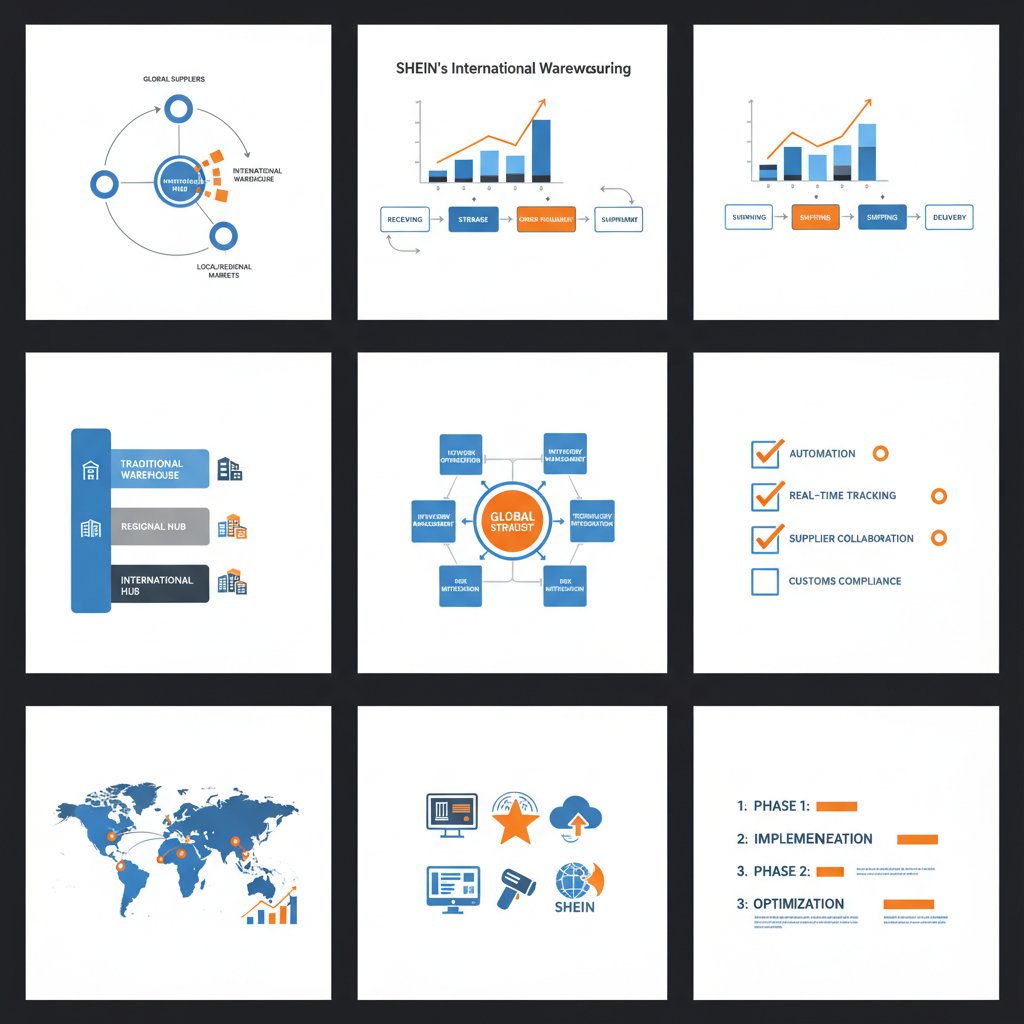
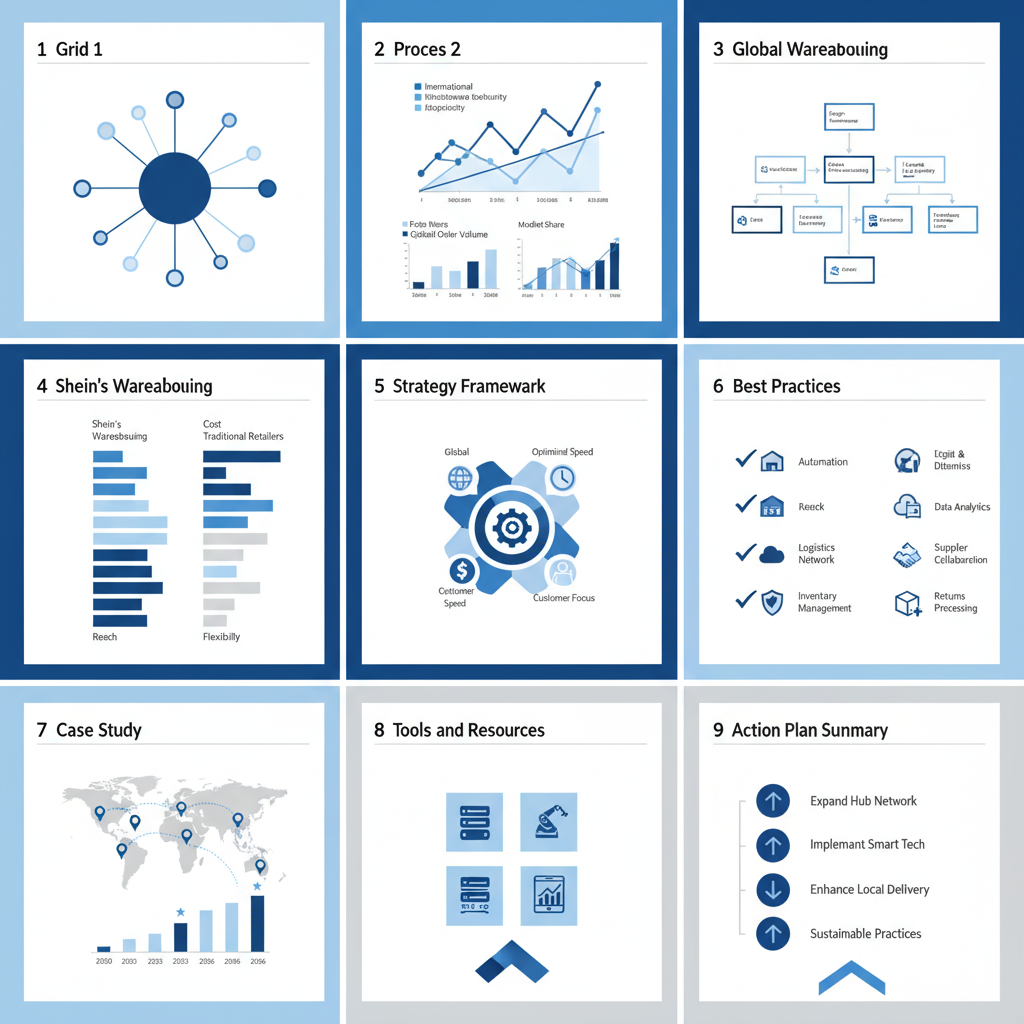
The “International Warehouse” status on Shein signifies that your order has reached one of Shein’s major global distribution hubs, where it undergoes final sorting, labeling, and customs documentation before being dispatched to your specific country. This stage is a critical transition point in the logistics chain, often acting as the bridge between domestic processing in China and the final international transit leg to your doorstep. Understanding this phase is essential for setting realistic delivery expectations, as it represents the moment your package prepares for long-haul transport and potential customs clearance.
As CEO of ASG dropshipping company, I’ve seen countless customers confused by international warehouse tracking statuses. When your Shein package shows “international-warehouse-shein,” it means your order is being prepared for international shipment from Shein’s centralized warehouse facility. For business owners, mastering this stage is as vital as effective dropshipping inventory management to ensure customer satisfaction.
Recent data shows that over 60% of international Shein orders pass through this warehouse phase, which can sometimes cause tracking delays or status confusion. Many customers report seeing their package status stuck at “arrived in” or experiencing temporary tracking gaps during this process. For a deeper look at specific timelines, you can check out our International Warehouse Shein complete 2026 shipping guide.
Navigating Shein Tracking and Delivery Expectations
In this article, I’ll cover everything from decoding Shein tracking codes to understanding delivery timelines across different countries. You’ll learn practical strategies for tracking your orders in the US, UK, Australia, and Canada, plus how to handle common tracking issues like GSH codes and delayed status updates. Whether you’re tracking a single package or managing multiple orders, this guide will provide the clarity you need to navigate Shein’s international shipping system confidently.
We’ll explore why your tracking might say one thing while showing another status, and I’ll share insider tips to help you get accurate delivery estimates for your Shein purchases. Understanding these nuances helps reduce anxiety during the waiting period and allows you to communicate more effectively with support if a genuine delay occurs.
The following list summarizes the primary sections of this guide, which explore the functional definition of dropshipping agents, the operational benefits of Shein’s international warehouse model, and the data-driven strategies for scaling e-commerce businesses in the 2026 landscape.
-
International-warehouse-shein
-
Shein Order Tracking
-
Shein Track Order in US, UK, AU, CA
-
Shein Tracking GSH
-
Shein delivery time or How long does it take for Shein order to ship?
-
Why would it say it
-
International-warehouse-shein
What is a Dropshipping Agent and How Do They Work?
Let’s cut through the noise. A dropshipping agent isn’t just another middleman; they are your operational backbone in China. In my years scaling ASG, I’ve seen countless sellers confuse a simple supplier with a true agent. Here’s the real deal: a dropshipping agent is a specialized service provider based in the manufacturing heartland (like China) that handles the entire supply chain process for your e-commerce store. They are your eyes, hands, and logistics department on the ground.
Think of it this way: if you’re the general plotting the sales strategy, the agent is your field commander executing the procurement, quality control, warehousing, packing, and shipping. You focus on marketing and customer service; they handle everything from the moment an order is placed to the moment it leaves the port or airport.
The Core Working Principle: Your On-Demand Fulfillment Partner
The principle is elegantly simple but operationally complex. You, the seller, integrate your store (like Shopify) with the agent’s system. When a customer buys from you, the order details automatically flow to your agent. They then purchase the item from their network of factories or wholesalers, conduct quality checks, apply your custom branding, pack it, and ship it directly to your customer. You never see or handle the inventory.
At ASG, our system is built on this seamless automation. Our ERP and Shopify App sync in real-time, turning what could be a 48-hour manual process into a few clicks. The key principle here is abstraction—we abstract away the immense complexity of international trade, logistics, and supplier management, giving you a single, reliable point of control.
Why a Dropshipping Agent is Non-Negotiable for Scaling
Trying to source and ship from platforms like AliExpress yourself is fine for testing. But to scale? It’s a recipe for burnout and customer complaints. An agent’s importance boils down to three pillars: Speed, Cost, and Control.
Speed: Average shipping times from platforms can be 15-30 days. A professional agent like ASG, leveraging consolidated shipping and premium logistics channels, slashes that to an average of 6-10 days to major markets like the US and EU. Speed is a direct competitive advantage.
Cost: Buying one unit from a retail platform includes multiple markups. Agents buy in bulk directly from factories (we work with over 2300), passing on wholesale prices. This directly increases your profit margins.
Control: You gain oversight. You can request pre-shipment photos, videos, and have a direct line to someone managing your orders. This level of control is impossible when dealing with faceless platform sellers.
The Two Main Types of Agents: Sourcing vs. Full-Service
Not all agents are created equal. Based on my experience, they generally fall into two camps:
1. Sourcing Agents: They primarily find products and suppliers for you. They’re great for one-off projects or custom manufacturing but often lack the integrated systems for automated, high-volume order fulfillment. You’re still managing much of the logistics.
2. Full-Service Dropshipping Agents (like ASG): This is the modern, holistic model. We are not just sourcers. We are a full-stack solution. We provide the product sourcing, international warehouse storage, quality control, branding, packing, shipping, and after-sales support—all under one roof, managed through a single dashboard. For serious sellers, this is the only model that makes sense for long-term growth.
Key Elements of a Professional Dropshipping Agent
Here’s a quick table I often use to explain what you should be looking for. This isn’t theoretical; it’s the checklist we built ASG against.
| Element |
What It Means |
Why It Matters (The Janson Take) |
| Supplier Network |
Depth and breadth of factory/wholesaler connections. |
A wide network (like our 2300+ partners) means product variety and supply stability. It prevents you from being hostage to one supplier. |
| Tech Integration |
Seamless connection with your e-commerce platform (e.g., Shopify App). |
Automation is everything. Manual order entry is a scalability killer. Our App automates 90% of the workflow. |
| Communication |
Dedicated agent/account manager, responsive support. |
You need a human in the loop who understands your business. Our one-on-one support solves issues before they become crises. |
| Logistics & International Warehouse Capability |
Ability to store, pack, and ship efficiently from a strategic location. |
An international warehouse hub (like our facilities in China) is critical for fast, consolidated shipping. It’s the difference between 10-day and 30-day delivery. |
| Value-Added Services |
Branding (custom packaging, thank you cards), quality control, product photography. |
This is where you build a brand, not just a store. We help you move from a generic reseller to a trusted brand. |
| Pricing Transparency |
Clear cost structure for product, service fee, and shipping. |
No hidden fees. You should know exactly what you’re paying for. We provide all-in quotes upfront. |
Debunking Common Misconceptions About Agents
Let’s clear up some persistent myths I hear daily:
“Agents are too expensive for beginners.” False. This is an ROI calculation. Yes, there’s a service fee, but the savings from factory pricing and the increased sales from faster shipping and better branding often far outweigh the cost. We offer test orders of just 5 units to prove this value.
“I’ll lose control over my product quality.” The opposite is true. Dealing directly with a platform seller, you have zero QC. A good agent provides pre-shipment photos/videos. We act as your quality gatekeeper.
“It’s just for AliExpress alternatives.” A major misconception. While we can source from there, our core strength is bypassing retail platforms altogether to work directly with factories. This is how you get unique products and the best prices.
“All they do is ship; I can find a cheaper forwarder.” A forwarder only moves boxes. An agent manages the entire process from purchase order to customer delivery, including dealing with factory issues, QC, repackaging, and returns. This holistic management is where the real value lies.
In essence, a professional dropshipping agent transforms your business from a fragile, manual operation into a scalable, automated machine. It’s the strategic upgrade that separates hobbyists from serious entrepreneurs. The right partner doesn’t just fulfill orders; they fuel your growth.

Shein Order Tracking
Why International Warehouse Shein Is a Game-Changer for Dropshippers
For years, dropshipping felt like a high-wire act. You’d find a product, list it, and pray your supplier wouldn’t ghost you or ship a brick in a box. I’ve seen countless sellers’ momentum stall because of unreliable fulfillment. The promise of a seamless global business was often broken by the reality of cross-border logistics.
Then, models like Shein’s international warehouse network began to change the game. It wasn’t just about fast fashion; it was a blueprint for logistics efficiency. By pre-positioning inventory in strategic global hubs, they slashed delivery times and costs, directly addressing the two biggest pain points for online shoppers: shipping speed and price. For dropshippers, this wasn’t just a trend to watch; it was a signal that customer expectations had permanently shifted. A 2023 report by Jungle Scout highlighted that 66% of U.S. online consumers expect delivery within three days, and 47% will abandon their cart if shipping is too slow or expensive Jungle Scout Consumer Trends Report.
Adopting a similar strategy isn’t about copying Shein; it’s about understanding the new baseline for e-commerce success. If your supplier is still shipping everything from a single warehouse in China with 15-30 day transit times, you’re competing with one hand tied behind your back. The international warehouse model is the key to unlocking faster delivery, higher customer satisfaction, and ultimately, better conversion rates.
How International Warehouse Shein Transformed E-commerce Logistics
Shein’s model is deceptively simple in theory but complex in execution. They don’t just ship from China. They use data analytics to predict demand for specific items in specific regions—like the U.S., Europe, and the Middle East—and stock their local fulfillment centers accordingly.
When an order comes in from, say, France, it’s fulfilled from a warehouse within the EU, not from across the world. This cuts the last-mile delivery distance from thousands of miles to a few hundred. The result? Delivery times plummet from weeks to days, often 3-7 days. This model also dramatically reduces the risk of customs delays and import taxes for the end customer, smoothing the entire post-purchase experience.
For us at ASG, observing this wasn’t just academic. It validated our own operational philosophy. We built our network by partnering with fulfillment centers and third-party logistics (3PL) providers in key markets, mirroring this hub-and-spoke approach. It’s why we can consistently promise and deliver 6-10 day shipping to the U.S. and Europe—because we’re often shipping from within the region, not to it.
Key Factors That Make This Model Work for Dropshipping
You can’t just wish for an international warehouse shein-like setup. It requires a foundation built on three pillars:
1. Demand Forecasting & Smart Inventory Placement: This is the brain of the operation. It’s not about gut feelings; it’s about using sales data, trend analysis, and seasonality to predict what will sell where. Placing the right SKUs in the right warehouse minimizes storage costs and maximizes fulfillment speed.
2. Integrated Technology & Real-Time Visibility: Your store, your supplier’s system, and the warehouse management system (WMS) need to talk to each other seamlessly. When an order is placed on your Shopify store, it should automatically route to the nearest warehouse with stock. You and your supplier need real-time visibility into inventory levels across all locations to prevent overselling.
3. Strong & Transparent Partner Relationships: This model hinges on trust. You’re relying on your fulfillment partner’s accuracy, speed, and professionalism. At ASG, we treat our warehouse partners as an extension of our own team. We have strict SLAs (Service Level Agreements) and conduct regular audits because their performance is our reputation.
Strategic Implementation: Matching the Model to Your Business Stage
A one-size-fits-all approach is a recipe for wasted capital. Your strategy should evolve with your business.
For Beginners & Testers: Don’t invest in overseas inventory yet. Focus on finding a supplier (like ASG) that already operates this model. Use their existing international warehouse shein-style network as your own. You test products, and they handle the complex logistics from their pre-stocked hubs. Your risk is near-zero.
For Scaling Sellers: Once you have 2-3 consistent winners with predictable monthly volume, discuss with your supplier about dedicating inventory in a specific overseas warehouse for those products. This is often called “bulk shipping to a 3PL.” You commit to a quantity, get a better unit price, and your supplier ships a pallet to a warehouse in the U.S. or EU. Your per-order fulfillment cost drops, and delivery times become incredibly fast.
For Established Brands: This is where you can truly emulate the international warehouse shein model. You work with your supplier and a 3PL to create a custom inventory plan. You fund the inventory, but your supplier manages the replenishment and fulfillment logistics based on your sales data. This offers the highest control, fastest speeds, and best margins, but requires significant capital and data confidence.
The 4 Non-Negotiable Success Factors
Based on my experience guiding hundreds of sellers through this transition, success boils down to four factors:
1. Data-Driven Decision Making: Move beyond “this product is hot.” Analyze your sales velocity, return rates by region, and shipping cost differentials. Tools like Google Analytics and your platform’s native analytics are your best friends.
2. Choosing the Right Fulfillment Partner: Not all 3PLs or suppliers are created equal. Look for partners with a proven track record in your target market, transparent pricing, robust technology integration (like API connections to Shopify), and scalable solutions.
3. Financial Forecasting & Cash Flow Management: Pre-positioning inventory ties up cash. You must accurately forecast demand to avoid dead stock (which costs you storage fees) or stockouts (which cost you sales). Create a conservative budget and scenario plan.
4. Crystal-Clear Communication with Customers: Use your store’s FAQs, shipping policy page, and post-purchase emails to set accurate expectations. “Ships from the US” with 3-5 day delivery is a powerful selling point. Transparency builds trust and reduces customer service inquiries.
Time & Cost Analysis: Traditional vs. International Warehouse Model
Let’s break down the real impact. Assume a best-selling product priced at $30.
| Metric |
Traditional China Dropshipping |
International Warehouse Shein-Style Model |
| Avg. Shipping Time |
15 – 30+ days |
3 – 10 days |
| Customer Expectation |
Low (Accepts long wait) |
High (Expects Amazon-like speed) |
| Per-Unit Fulfillment Cost |
Lower ($2-$5) |
Slightly Higher ($4-$8) |
| Shipping Cost to Customer |
Often higher or baked into product price |
Can be lower or competitive |
| Conversion Rate Impact |
Lower (Cart abandonment risk) |
Significantly Higher |
| Customer Satisfaction & LTV |
Lower (Due to wait & uncertainty) |
Much Higher (Leads to repeats) |
| Operational Complexity |
Lower (for seller) |
Higher (managed by supplier/3PL) |
| Best For |
Testing, ultra-low-cost items |
Scaling winners, building a brand |
The table shows the trade-off: a slightly higher fulfillment cost is overwhelmingly justified by faster delivery, which boosts conversions, allows for higher price points, and builds a loyal customer base. The lifetime value (LTV) of a happy, repeat customer far outweighs the marginal cost increase.
Common Pitfalls and How to Navigate Them
Even with the best model, things can go wrong. Here’s how to steer clear:
Pitfall: Poor Inventory Forecasting. You overstock a trendy item that fades, locking up capital.
Our Countermeasure at ASG: We start clients with a consignment or JIT (Just-in-Time) model using our network. You only pay for what sells. Once patterns emerge, we co-create a data-backed inventory plan.
Pitfall: Lack of System Integration. Orders get lost, inventory sync fails, leading to oversells.
Our Solution: Our proprietary Shopify App automates the entire flow. Order → Nearest Warehouse → Fulfilled. Real-time sync is non-negotiable.
Pitfall: Unreliable Warehouse Partner. Slow picking, packing errors, or poor communication destroy the customer experience.
How We Mitigate This: We don’t just pick a warehouse on a map. We vet partners based on their technology, operational KPIs, and client reviews. We act as your single point of contact, managing the relationship so you don’t have to.
Pitfall: Underestimating Costs. Beyond storage, understand pick/pack fees, receiving fees, and long-term storage fees.
Pro-Tip: Always get a detailed, all-in fee schedule from your partner. At ASG, we believe in transparent, all-inclusive pricing with no hidden surprises.
Best Practices for Sustainable Implementation
To make this model work long-term, bake these practices into your operations:
1. Start with a Pilot: Don’t migrate your entire store. Pick your top 1-2 products and one target market (e.g., your best-selling shirt to the U.S.). Run a 90-day pilot to test costs, speed, and customer feedback.
2. Negotiate Based on Volume: As your sales grow, negotiate better rates with your fulfillment partner. Your leverage increases with your order volume.
3. Leverage the Marketing Advantage: “Fast Shipping from the US/EU” is a premium feature. Use it in your ads, product pages, and value proposition. It justifies price and builds instant credibility.
4. Continuously Optimize: Regularly review which products are performing in which warehouses. Be ready to slow-move inventory from one hub to another, or discount it to clear space for faster-turnover items.
Adopting an international warehouse shein-inspired strategy is no longer a luxury for serious dropshippers; it’s becoming a necessity. It’s the most effective way to meet modern customer expectations and build a sustainable, reputable brand in a crowded marketplace. The complexity is real, but that’s precisely where partnering with an experienced supplier like ASG can turn a logistical challenge into your greatest competitive advantage.

Shein Track Order in US, UK, AU, CA
Section 3: The Advanced Dropshipping Playbook: Scaling Your Business with Precision
The early days of dropshipping are about survival—finding a product, making a sale. But scaling? That’s an entirely different game. It’s where strategy, technology, and relentless optimization separate the hobbyists from the serious entrepreneurs. I’ve seen countless sellers hit a plateau because they keep using the same methods that got them their first 100 sales. Today, I’ll share the advanced playbook we’ve developed at ASG, not just from our own operations, but from observing what makes our most successful clients thrive.
Strategy First: Moving Beyond Product-Chasing
Most new sellers are obsessed with the “winning product.” But scaling isn’t about finding one more hit; it’s about building a system that can consistently create winners. Your strategy should evolve from product-centric to customer-centric and brand-centric.
The Brand Equity Flywheel: Stop thinking in terms of single products. Start thinking in terms of a niche authority. When you use a service that allows for custom packaging and branding—like we do at ASG—every package that lands on a customer’s doorstep reinforces your brand, not your supplier’s. This builds trust, increases customer lifetime value (LTV), and allows you to command higher prices. A study by McKinsey & Company found that brands with strong equity can achieve price premiums of 20% or more[^1]. That’s your margin for better marketing and reinvestment.
Diversification vs. Deep Diving: There are two paths: 1) Expand horizontally into complementary product lines within your niche (e.g., from yoga mats to resistance bands and meditation cushions), or 2) Go deeper with premium versions, bundles, and subscriptions of your core product. The former spreads risk; the latter maximizes profit from a proven audience. I recommend the deep-dive first—it’s easier to manage and leverages your existing customer data.
Pro-Tip: Map out your customer’s journey. What problem did your first product solve? What’s the next problem they encounter? That’s your next product. This systematic approach, supported by a flexible international-warehouse-shein-like logistics network that can handle diverse SKUs, is far more sustainable than chasing random trends.
Leveraging Technology: The Automation Imperative
Manual order processing is the single biggest growth killer. If you’re still copying and pasting orders, you’ve already lost. Advanced scaling is 100% dependent on automation.
ERP & Platform Integration is Non-Negotiable: Your dropshipping agent must offer seamless API integration with your store (Shopify, WooCommerce, etc.). At ASG, our Shopify App isn’t a luxury; it’s the core engine. It auto-imports orders, syncs tracking, and updates inventory levels in real-time. This eliminates human error and frees up 10-15 hours per week—time you should spend on marketing and customer service.
Data Analytics for Decision Making: Use tools like Google Analytics, Shopify Analytics, and even Facebook Pixel data religiously. Don’t just look at sales; analyze customer acquisition cost (CAC), LTV, geographic performance, and product affinity. This data should inform which markets to double down on and which products to bundle. For instance, if you see strong sales in Germany but high shipping costs are eating margins, you need a partner with efficient EU logistics options, something a robust international-warehouse-shein strategy often provides through localized fulfillment.
Tool Stack Recommendation:
Store Operations: Shopify (for its ecosystem) + a dedicated supplier app like ASG’s.
Marketing Automation: Klaviyo or Omnisend for email/SMS flows.
Product Research: Utilize platforms like TikTok Creative Center for trend analysis, not just traditional product research tools.
Financials: QuickBooks or Xero for clean bookkeeping. You can’t scale what you can’t measure.
Innovation in Customer Experience: The Untapped Margin
Everyone focuses on acquiring customers. The real gold is in retaining them. Innovation here doesn’t mean inventing something new; it means executing the basics exceptionally well.
Unboxing as Marketing: The moment of unboxing is your highest-engagement marketing channel. Customized packaging, a handwritten thank-you note (digitally printed for scale, of course), and even a small, relevant free gift can skyrocket your social sharing and repeat purchase rates. This is a core service we provide because we’ve seen it directly impact our clients’ review scores and repeat business.
Proactive Communication: Don’t just send a tracking number. Send an email when the label is created, when it’s scanned in our international-warehouse-shein, when it clears customs, and a day before expected delivery. Transparency reduces customer anxiety and support tickets by over 50% in our experience.
Post-Purchase Upsell/Cross-sell: Use your email flows (via Klaviyo) to recommend complementary products after the first product has been delivered and the customer is happy. The conversion rates here are typically 5-10x higher than cold traffic.
Advanced Supplier & Logistics Optimization
Your supplier isn’t just an order fulfiller; they are your logistics and quality control partner. Optimizing this relationship is critical.
Comparative Analysis: Agent vs. DIY Sourcing:
DIY Sourcing (AliExpress/1688): Lower unit cost, potentially. But you deal with communication barriers, inconsistent quality, longer shipping times (often 15-30+ days), and zero brand customization. It’s a constant firefight.
Professional Dropshipping Agent (Like ASG): Slightly higher unit cost, but you gain speed (6-10 day shipping to US/EU), consistent quality control through our partner network, branded fulfillment, and a single point of contact for all issues. The trade-off is clear: margin for scalability, reliability, and brand integrity. For scaling, the agent model wins every time.
Multi-Warehouse Strategy: As you grow, shipping all items from one location (e.g., China) can become a cost and speed bottleneck. Discuss with your agent about leveraging a multi-warehouse network. Staging best-selling items in US or EU international-warehouse-shein facilities can cut delivery times to 2-5 days, dramatically improving customer satisfaction and allowing you to compete with Amazon Prime-like expectations[^2].
Error Diagnosis & Quick Fix:
Problem: A sudden spike in “item not received” support tickets.
Diagnosis: Check with your agent. Is there a backlog at their international-warehouse-shein? A specific logistics carrier issue? Often, it’s a single bottleneck.
Quick Fix: Immediately switch future orders to an alternative shipping line offered by your agent. For affected orders, proactively send apology emails with updated ETAs and offer a small discount on next purchase. This turns a problem into a brand-building opportunity.
Financial & Operational Scaling Tactics
Scaling profitably requires financial discipline.
Cash Flow Management: Dropshipping is great for cash flow, but scaling ads or inventory in a local international-warehouse-shein requires capital. Use clear payment terms with your agent (net 7 or net 15 can be common for trusted partners). Reinforce your cash cycle by using faster-paying methods like PayPal or Shopify Payments, and delay your supplier payments as long as reasonably possible.
Negotiating Power: Once your order volume with an agent becomes consistent (e.g., 50+ orders/day), you have leverage. Don’t just ask for a lower price. Negotiate for: 1) Priority processing (1-day turnaround), 2) Dedicated quality checks on your line, 3) Better rates on premium shipping lines, or 4) Lower fees for value-added services like custom packaging.
Implementation Checklist for Scaling:
System Audit: Is your entire order flow automated (store -> agent -> tracking back to store)? If not, fix this first.
Brand Assets Ready: Do you have a logo, color scheme, and packaging design ready for customization?
Customer Service Scripts: Prepare templates for common shipping, return, and quality issues.
Financial Buffer: Ensure you have at least 3 months of ad spend and supplier costs as a cash reserve.
Supplier Communication Protocol: Establish a regular (weekly/bi-weekly) check-in call with your agent’s account manager to review performance and issues.
The Mindset Shift: From Seller to CEO
Finally, the biggest shift is internal. You are no longer just a seller; you are the CEO of a global retail business.
Delegate to Systems, Not Just People: Before hiring a virtual assistant, ask: “Can this task be automated by my tech stack?” Systems are cheaper and more reliable. Hire for strategy, creativity, and customer interaction—tasks that can’t be automated.
Focus on Unit Economics: Know your numbers cold: Customer Acquisition Cost (CAC), Average Order Value (AOV), Lifetime Value (LTV), and most importantly, your net profit per order after all costs (product, shipping, agent fees, marketing, payment processing). Scaling a business with negative unit economics is a path to bankruptcy.
Build Relationships: Your relationship with your dropshipping agent is your most important business partnership. Be professional, pay on time, communicate clearly, and treat them as a strategic ally. At ASG, our most successful clients are those who view us as an extension of their team, and we reciprocate by going the extra mile for them.
Scaling is a deliberate, systematic process. It’s about building a machine where every part—your marketing, your supplier, your customer experience—works in harmony. It requires moving from a tactical, day-to-day focus to a strategic, system-oriented mindset. The tools and partnerships you choose, especially your core fulfillment partner, will ultimately determine your ceiling.
McKinsey & Company, “The Value of Branding and How to Measure It,” (https://www.mckinsey.com/capabilities/growth-marketing-and-sales/our-insights/the-value-of-branding-and-how-to-measure-it). This report discusses the quantifiable financial benefits of strong brand equity.
The “Amazon Prime Effect” is well-documented in consumer behavior studies. Faster shipping directly correlates to higher conversion rates and customer satisfaction. A report by Convey indicates that 84% of shoppers are unlikely to shop with a brand again after a poor delivery experience. Utilizing a distributed international-warehouse-shein network is a direct response to this market expectation.

Shein Tracking GSH
The Future Is Now: Navigating the 2026 Dropshipping Landscape
Let me be blunt: the dropshipping game is changing faster than ever. What worked in 2020 won’t cut it in 2026. Having built ASG from the ground up, I’ve learned that success isn’t just about finding a hot product today; it’s about anticipating where the entire ecosystem is headed tomorrow. The future belongs to sellers who understand the coming shifts in technology, consumer behavior, and logistics. It’s about moving from being a simple reseller to becoming a tech-savvy, brand-focused, and operationally resilient entrepreneur.
The next three to five years will see a massive consolidation. The casual sellers will get squeezed out by rising ad costs and customer expectations, while the professionals who adapt will capture unprecedented value. My team and I analyze market data and tech trends daily not just to run our business, but to give our partners a decisive edge. Here’s my unfiltered take on what’s coming and, more importantly, how you can position yourself to win.
The 2026 Market Data: A Story Told in Numbers
Forget vague predictions. Strategy is built on data. Based on analysis from sources like eMarketer and our own internal projections from servicing thousands of sellers, here’s a snapshot of the key shifts we anticipate by 2026:
| Trend Metric |
2023 Benchmark |
2026 Projection |
Implication for Sellers |
| Global Dropshipping Market Size |
$243 billion |
~$400 billion [Source: Grand View Research] |
The pie is growing, but competition for each slice is intensifying. |
| Average Customer Delivery Expectation |
10-14 days |
3-7 days |
Speed is no longer a luxury; it’s the baseline. Slow shipping equals cart abandonment. |
| Demand for “Sustainable/Transparent” Brands |
Moderate |
Critical Purchase Driver |
Generic, unbranded packages from a random international warehouse will hurt conversion. |
| Tech Integration (AI/Automation) Adoption |
Early Adopters |
Standard Practice |
Manual processes will be economically unviable. Automation is your new moat. |
| Importance of Niche/Brand Communities |
Growing |
Dominant |
The era of selling random gadgets is over. Building a loyal community around a niche is key. |
The Tech Tsunami: AI, Automation, and Hyper-Personalization
Emerging technologies aren’t just buzzwords; they’re your new workforce. At ASG, we’ve already integrated AI into our core operations. For you, this means:
AI-Driven Product Research & Forecasting: Tools will move beyond simple AliExpress spy apps to predict micro-trends weeks before they peak, using social sentiment and search data. We’re developing systems to feed these insights directly to our partners.
Hyper-Personalized Customer Journeys: From dynamic pricing to AI-generated product descriptions tailored to a visitor’s location and history, personalization will be expected. This extends to post-purchase. Imagine your customer getting a shipping update not from a generic carrier, but from your branded AI chatbot.
Fully Automated Supply Chains: The manual “copy-paste order” model is dead. The future is APIs talking to APIs. Your store automatically places an order with a supplier like us, our system auto-allocates stock from the optimal international warehouse, prints branded labels, and dispatches—all without human touch. This slashes errors and frees you to focus on marketing and brand building.
Leaders Are Already Doing This: From Shein to Your Store
Look at the leaders. Shein isn’t just fast fashion; it’s a masterclass in agile, data-driven supply chain management. Their model relies on a network of ultra-responsive factories and sophisticated international warehouse logistics. The lesson? The winners are those who control and optimize the flow of goods and data.
Real-Time Inventory Sync: Leaders demand and get real-time, 99.9% accurate inventory data from their suppliers. This prevents overselling and builds customer trust. This is why we built live sync into our Shopify App.
Dynamic Fulfillment Routing: The best orders aren’t shipped from the cheapest location, but from the one that guarantees the fastest, most reliable delivery to that specific customer. This requires a sophisticated network, which is why we’ve invested in multiple strategic fulfillment nodes.
Branded Experience, End-to-End: The unboxing experience is a marketing channel. Leaders use custom packaging, inserts, and tracking pages that reinforce brand identity, turning a transaction into a relationship.
What Your Customers Will Demand in 2026 (Spoiler: It’s More)
The customer of 2026 has been trained by Amazon and Temu. Their demands are simple and non-negotiable:
1. Speed as Standard: “Fast shipping” will mean 3-5 business days for the US/EU, not 10-15. This is only possible with pre-positioned inventory in regional international warehouse hubs.
2. Radical Transparency: They want to know the product’s origin, material, and carbon footprint. They want to see a real-person unboxing video before buying. They want live tracking that actually works.
3. Authentic Connection: They buy from brands that share their values, not faceless stores. Your sourcing ethics and brand story matter more than a $0.50 price difference.
The Competitive Landscape: Where the Windows of Opportunity Are Opening
The barrier to entry is low. The barrier to success is skyrocketing. This creates two major opportunity windows:
1. The “Hyper-Niche & Community” Window: As broad markets get crowded, deep verticals (e.g., “sustainable yoga gear for tall athletes”) will thrive. The opportunity is to own a niche completely—through content, community, and curated products.
2. The “Operational Excellence” Window: While others struggle with inconsistent suppliers, you can win by offering reliability. Partnering with a fulfillment service that provides consistent 1-3 day processing and 6-10 day delivery becomes a powerful selling point. It’s the boring, back-end stuff that becomes your competitive advantage.
The 3-5 Year Forecast: A More Professional, Integrated Ecosystem
My forecast is clear: The amateur hour is over. The next five years will see:
Platform Consolidation: Fewer, more robust suppliers (like ASG) who offer full tech-stack integration will dominate. The thousands of fragmented agents will struggle.
Rise of the “Brands-in-a-Box” Partner: Suppliers won’t just ship products; they’ll offer integrated services for branding, marketing automation, and customer retention, acting as a true growth partner.
Logytics as a Core Competency: Understanding international shipping regulations, duty optimization, and multi-node fulfillment will be as important as Facebook Ads knowledge is today.
Seizing the Trend Dividends: Your Action Plan for Tomorrow
Don’t just watch the future; build for it. Here’s my pro-tip action plan, based on what we’re helping our successful partners implement now:
1. Audit Your Tech Stack Immediately: Is your supplier integration manual? Do you have real-time inventory? If not, you’re already behind. Start by automating your order flow.
2. Shift from “Supplier” to “Fulfillment Partner”: Evaluate partners not just on price, but on their tech capabilities, transparency, and network. Can they support your 2026 speed and branding needs? Do they have a diversified international warehouse network?
3. Invest in Your Brand Now: Start small. Order custom packaging for your best-selling product. Create a simple “Our Story” page. These seeds will grow into your most valuable asset.
4. Double Down on a Niche: Go deeper, not wider. Become the undeniable expert and preferred store for a specific customer avatar.
5. Build Around Data: Start tracking more than just sales. Track customer lifetime value, shipping performance metrics from your supplier, and return rates by product. Make decisions based on this data.
The dividend won’t go to the biggest spender; it will go to the most adaptable, the most strategic, and the one who builds their business on a foundation of operational excellence and authentic branding. The future of dropshipping is professional, personalized, and powered by seamless partnerships. The question is, are you building that business today?

Shein delivery time or How long does it take for Shein order to ship?
Section 5: The ASG Blueprint: From Concept to Global Fulfillment
Building a successful dropshipping business isn’t just about finding a supplier; it’s about architecting a resilient, scalable, and brand-centric supply chain. At ASG, we’ve distilled this process into a repeatable blueprint, forged from years of hands-on experience and countless client scenarios. This isn’t theory; it’s the operational playbook we use daily to empower sellers from zero to hero.
Our Hands-On Framework: The 5-Phase Client Journey
My team and I don’t just process orders; we engineer success pathways. Every new partner goes through a structured journey designed to de-risk their venture and accelerate growth. It starts with a deep-dive consultation to understand your niche, target audience, and ambitions. We then move into a low-risk testing phase, where you can validate products with minimal commitment—often starting with just 5 mixed-SKU orders.
This isn’t a sales tactic; it’s a strategic filter. We’ve seen too many sellers burn capital on untested inventory. Once a winner is identified, we scale systematically, integrating our systems into your workflow and optimizing logistics for your specific international-warehouse-shein target markets. The final phase is brand evolution, where we layer in custom packaging and marketing inserts to transform a generic product into a memorable brand experience. This phased approach is our core methodology, ensuring stability at every step.
Application in Action: The Niche-Specific Playbook
Let’s get concrete. How does this blueprint adapt? For a client selling eco-friendly yoga gear targeting the EU and US, our application was multifaceted. First, sourcing wasn’t just about finding mats; it was about verifying material certifications and factory audits—a step many generic suppliers skip. We then configured our international-warehouse-shein logistics network to use fulfillment centers strategically located to minimize EU customs delays and US last-mile costs.
For a client in the competitive pet accessories space, the playbook focused on speed and branding. We helped them identify trending products (like personalized pet bandanas), ensured our 1-3 day processing locked in fast delivery promises, and implemented custom-branded packaging that turned a simple delivery into a shareable unboxing moment on social media. The key is that our system isn’t one-size-fits-all; it’s a toolkit we configure based on your unique battle plan.
Lessons from the Trenches: Common Pitfalls We Help You Avoid
I’ve witnessed brilliant product ideas fail due to operational oversights. One common failure case involved a seller who sourced a viral kitchen gadget but used a supplier with inconsistent quality control. When orders surged, defect rates spiked, leading to a tsunami of negative reviews and chargebacks that sank the store. The lesson? Product validation must include rigorous quality checks, which is why we provide sample inspection videos before bulk orders.
Another cautionary tale: a seller targeting Australia with a general international-warehouse-shein shipping line without understanding GST implications. The result was delayed parcels at customs and frustrated customers. We stepped in, switched them to a logistics partner with pre-cleared channels, and solved it. Our role is often to be the experienced co-pilot who sees the iceberg you might miss.
Cross-Industry Lens: Why Our Dropshipping Model Outperforms
It’s instructive to compare our model to others. Traditional wholesaling requires massive upfront capital and inventory risk. Print-on-demand solves the inventory issue but often suffers from high unit costs and longer production times. Marketplace arbitrage (e.g., reselling from Amazon) is fragile due to account suspensions and price volatility. The ASG model sits uniquely in the sweet spot: it offers the low-risk, no-inventory entry of dropshipping but couples it with the supply chain control and branding potential typically reserved for large importers.
By leveraging our direct factory relationships and consolidated shipping lanes, we achieve costs closer to bulk importers while maintaining the flexibility of a international-warehouse-shein ready, on-demand fulfillment model. This hybrid approach is what allows our clients to compete on price, speed, and brand experience.
Calculating Your True ROI: Beyond the Surface Margins
Everyone looks at the simple math: `Selling Price – Product Cost = Gross Profit`. But the real ROI calculation for a sustainable business is far more complex. You must factor in the hidden costs and value drivers our model directly influences. Let’s break it down with a comparative table:
| ROI Factor |
Generic Supplier / DIY |
With ASG Partnership |
Impact on Your Bottom Line |
| Product Sourcing Cost |
Variable, often marked up |
Factory-direct pricing via our network |
Immediate 15-30% cost reduction on many items. |
| Order Processing Time |
5-7+ days common |
1-3 days standard |
Faster cash conversion, higher customer satisfaction, better platform metrics. |
| Shipping Reliability & Speed |
Unpredictable, often 20-30+ days |
Avg. 6-10 days to US/EU via optimized international-warehouse-shein network |
Reduced customer service queries, lower cart abandonment, potential for premium shipping upsells. |
| Customer Service Labor |
High (you handle all supplier issues) |
Low (our team manages fulfillment issues) |
Saves you 10-20+ hours/week, allows focus on marketing & growth. |
| Brand Equity & Repeat Business |
Difficult to build with generic packaging |
Enabled via custom packaging/inserts |
Builds customer loyalty, increases Customer Lifetime Value (CLV). |
| Risk of Stockouts/Errors |
High |
Mitigated by multi-factory sourcing & our oversight |
Prevents lost sales and protects your store’s reputation. |
As you can see, the true ROI isn’t just a better per-unit margin; it’s the compound effect of saved time, reduced risk, enhanced customer experience, and unlocked scalability.
The 5 Golden Rules Distilled from a Thousand Orders
After processing millions of orders for our clients, certain immutable principles have emerged. These are our golden rules:
1. Validate Before You Scale. Never commit to a large order based on a hunch. Use our testing phase to gather real market data on conversion rates and customer feedback.
2. Control Your Narrative with Branding. A product in a plain poly mailer is a commodity. The same product in custom packaging is a brand. This single shift is the most powerful lever for moving beyond competing solely on price.
3. Speed is a Feature, Not a Bonus. In the age of Amazon Prime, delivery speed is a core part of your value proposition. Our 6-10 day international-warehouse-shein transit time isn’t just logistics; it’s a sales and retention tool.
4. Your Supplier is Your Operational Partner. Choose a partner whose stability, communication, and problem-solving ability match your ambition. Your supplier’s failure is your business’s failure. We built ASG to be the partner we wished we had when we started.
5. Focus Your Energy on Demand Generation. The ultimate goal of a streamlined back-end is to free you to do what only you can do: market your brand. Let us handle the complexities of the global international-warehouse-shein supply chain so you can master advertising, content, and community building.
This blueprint is more than a service offering; it’s a strategic framework for building a durable e-commerce business. It turns the chaotic challenges of global trade into a managed, predictable process. The goal is to make your path to market not just possible, but efficient, branded, and profoundly scalable.

why would it say it
FAQ
Over the years of running ASG, I’ve had countless conversations with sellers at every stage of their journey. The same questions and concerns tend to pop up again and again. To save you time and give you clarity upfront, I’ve compiled this list of the most frequent questions we get asked. Think of this as a direct line to my desk.
How does ASG’s pricing compare to sourcing from Alibaba or AliExpress myself?
This is the first question on everyone’s mind. Let me break it down. When you source directly from Alibaba, you’re dealing with MOQs, often navigating language barriers, handling quality control alone, and managing international shipping logistics—which is a complex beast. Your final landed cost isn’t just the product price; it includes your time, potential errors, and hidden freight fees.
At ASG, we leverage our aggregated purchasing power from over 2,300 factories. We negotiate prices you typically can’t get as an individual small-volume buyer. More importantly, our price is all-inclusive: product cost, quality check, packaging, and shipping to your end customer. A study by the Digital Commerce 360 often highlights logistics and sourcing complexity as top cost drivers for small sellers. We eliminate that complexity. You’re not just buying a product; you’re buying a streamlined, reliable supply chain. For many sellers, especially when factoring in reliability and speed, our total cost is highly competitive.
What is your average shipping time to the USA and Europe?
Speed is currency in e-commerce. Our data shows that for standard shipments to the USA and major European countries (like the UK, Germany, France), our average delivery window is 6-10 business days after we dispatch the order from our international warehouse shein hub. This isn’t a guess; it’s based on thousands of tracked shipments monthly.
We achieve this through pre-positioning popular inventory in our international warehouse shein network and using our established relationships with vetted logistics partners. For context, the industry average for direct shipping from China via standard ePacket can be 15-30+ days. Our system is designed to cut that time significantly, which directly improves your customer satisfaction and reduces chargeback risks.
Do you offer branded packaging and custom inserts?
Absolutely, and I encourage it. Building a brand is about the entire unboxing experience, not just the product. We offer fully customizable packaging solutions. This includes branded poly mailers or boxes, custom printed thank-you cards, packing slips, and even branded stickers. You can provide your design, and we handle the printing and insertion.
This service is a game-changer for moving from a generic dropshipping store to a memorable brand. It turns a transactional purchase into a brand experience. We’ve seen clients who implement this see a marked increase in repeat customer rates and social media shares. It’s a tangible step towards building brand loyalty.
Can I use ASG for platforms other than Shopify, like Amazon FBA or Etsy?
Yes, 100%. While our Shopify app provides a seamless automated experience, our service is platform-agnostic. Many of our successful sellers operate on Amazon (using the FBM model), Etsy, eBay, and WooCommerce.
The process is straightforward: you send us the orders (via our app, Google Sheets, or API), and we fulfill them directly to your customer. For platforms like Etsy, where handmade or vintage is the focus, our private label and branding services are crucial to maintaining your shop’s authenticity. The core value—reliable fulfillment from our international warehouse shein network—remains the same, regardless of where the sale happens.
What is your policy on returns and damaged items?
We stand behind the quality of our fulfillment. Our policy is designed to protect both you and your end customer. If an item is damaged or incorrect due to an error on our part (picking, packing, or a verified defective product), we will reship the correct item at our cost.
For customer-initiated returns, the process is managed on a case-by-case basis. Typically, the return is sent to one of our international warehouse shein locations for inspection. Once received and verified, we can issue a refund to you or ship a replacement, depending on your preference and the situation. Transparency is key here; we keep you informed at every step. Our goal is to make post-purchase issues as painless as possible for you.
Is there a minimum order quantity (MOQ) to start?
We built ASG to be accessible. There is no MOQ for ongoing orders. You can order one piece, or one hundred. This is the essence of true dropshipping.
For new clients wanting to test our service and specific products, we have a trial batch requirement of just 5 items. These can be 5 units of one product or a mix of different products. This low barrier allows you to vet our quality, speed, and communication with minimal risk before fully committing.
How do you handle inventory and stock levels?
Real-time inventory accuracy is non-negotiable. Our system is integrated with our suppliers’ and our own international warehouse shein data. Stock levels for products you are selling are updated in your dashboard regularly, often multiple times a day.
For high-demand items, we use sales velocity data to pre-stock inventory in our forward-deployment warehouses. This drastically reduces the chance of selling an out-of-stock item. I always advise sellers to focus on products we flag as “high stability” to avoid disappointments. Pro-Tip: Use our data to your advantage; we can often share insights on which items are trending and have stable supply.
What happens if a product runs out of stock after I’ve made a sale?
This is a nightmare scenario we work aggressively to prevent. However, if it occurs, our standard protocol is immediate communication. Your dedicated agent will contact you within a few hours of discovering the issue, not days later.
We then present you with options: a) a comparable alternative product for immediate shipment, b) a full refund, or c) a production ETA if it’s a temporary shortage. You make the final call on how to proceed with your customer. We believe in empowering you with choices and information, not leaving you in the dark.
Do you provide product sourcing if I have my own ideas?
Yes, this is a core part of our service. Send us a link to a product you’ve seen on AliExpress, Amazon, or even a sketch of an idea. Our sourcing team will find the factory, negotiate the best price, arrange for samples to be sent to us for a quality check (we’ll send you a video), and provide you with a landed cost quote. This turns your idea into a sellable, fulfilled product without you ever needing to contact a factory directly.
How do I switch from my current dropshipping supplier to ASG?
A smooth transition is critical. Here’s our proven process:
1. Share Data: Provide us with your current supplier’s quotes and your recent order history.
2. Analysis & Plan: We analyze the data and create a transition plan. We’ll show you a side-by-side comparison of costs, shipping times, and service levels.
3. Parallel Run: We often recommend running a small batch of orders with us in parallel with your old supplier for a week or two. This lets you compare performance risk-free.
4. Flip the Switch: Once you’re confident, you simply start sending new orders to us. We handle the rest, ensuring no customer order is missed during the changeover. The goal is zero downtime for your business.

International-warehouse-shein
Summary & Action Plan
Alright, let’s bring this all together. We’ve walked through the anatomy of a great dropshipping supplier, from their operational backbone to the less tangible—but equally critical—cultural DNA. The goal wasn’t just to list features, but to give you the founder-level lens I use to evaluate partners. Now, let’s turn this knowledge into a clear, actionable plan.
Recap: The Non-Negotiable Pillars of a Great Partner
Remember, a supplier isn’t just a vendor; they’re your business partner. The core pillars we discussed are non-negotiable:
Operational Excellence: This is the engine. You need guaranteed 1-3 day processing times, diverse and reliable logistics (average 6-10 days to the US/EU), and a robust system that handles scaling without breaking.
Supply Chain Mastery: Direct access to factories, like our network of 2300+, is what separates a true partner from a middleman. It ensures price competitiveness, product quality control, and inventory stability. This is the foundation your brand is built on.
Brand-Centric Flexibility: Your brand isn’t an afterthought. A partner must offer customizable packaging, thank-you cards, and a fulfillment process that makes every unboxing feel uniquely yours.
Proactive Partnership: Look for a team that acts like an extension of your own. This means dedicated account managers, transparent communication, and a proactive approach to solving problems before they reach your customer.
Your Immediate Action Plan: First 72 Hours
Don’t get lost in analysis paralysis. Here’s what you should do right now:
1. Audit Your Current Setup: List your top 3 pain points with your current supplier. Is it slow shipping, poor communication, or rigid branding?
2. Request a Live Demo: Don’t just look at a website. Ask for a live walkthrough of the supplier’s platform or ERP. See how orders flow, how inventory updates, and ask them to handle a mock problem.
3. Test with a Pilot Order: Theory is useless without practice. Place a small, real order (5 items max) to a friend’s address. Track every step: communication clarity, processing speed, packaging quality, and final delivery time. This is your ultimate test.
Roadmap: Beginner Focus vs. Advanced Leverage
Your strategy should evolve with your business.
For Beginners (0-6 months): Your north star is risk mitigation and learning. Focus on suppliers with low/no MOQ, free trials, and exceptional 1-on-1 onboarding support. Use their product catalogs for inspiration, but start with 3-5 proven winners. Speed and reliability are more important than extreme customization at this stage.
For Scaling Sellers (6+ months): Your focus shifts to optimization and brand building. Now, you leverage the advanced tools: deep API integrations for automation, international warehouse networks for faster local delivery, and sophisticated brand customization options. Your negotiation power increases; use it to secure better rates and white-glove service. A partner like ASG becomes crucial here, as we’re built to scale with you, not just for you.
Commit to Continuous Learning
The e-commerce landscape shifts monthly. Stagnation is a death sentence.
Follow Industry Leaders: I regularly follow blogs like Shopify’s Compass and analyses from Common Thread Collective for high-level strategy.
Dig into Data: Reports from eMarketer and Statista provide the macro-trends that should inform your niche selection and marketing.
Join Communities: Be active in forums like the Shopify Community or specific subreddits. Real-time peer advice is invaluable.
Where to Get Further Help & Support
You don’t have to figure this out alone.
For Supplier-Specific Queries: The best source is always a direct conversation. Schedule a consultation with potential partners. Ask the hard questions about their error rate, crisis management protocols, and how they’ve handled seasonal spikes for clients.
For Strategic Business Advice: Consider hiring a fractional COO or a specialized e-commerce coach once you hit a revenue plateau. Sometimes, an outside expert can identify bottlenecks you’re too close to see.
For Hands-On Execution Support: This is where a full-service partner like ASG shines. From the initial product sourcing audit to managing your international warehouse strategy and custom branding, our role is to be your operational backbone. You focus on marketing and customer experience; we ensure the engine runs flawlessly.
The right partnership should feel like a force multiplier. It should remove friction, amplify your brand’s voice, and give you the confidence to scale. Use this framework, execute the action plan, and choose a partner that aligns not just with your current needs, but with the ambitious vision of your future business.