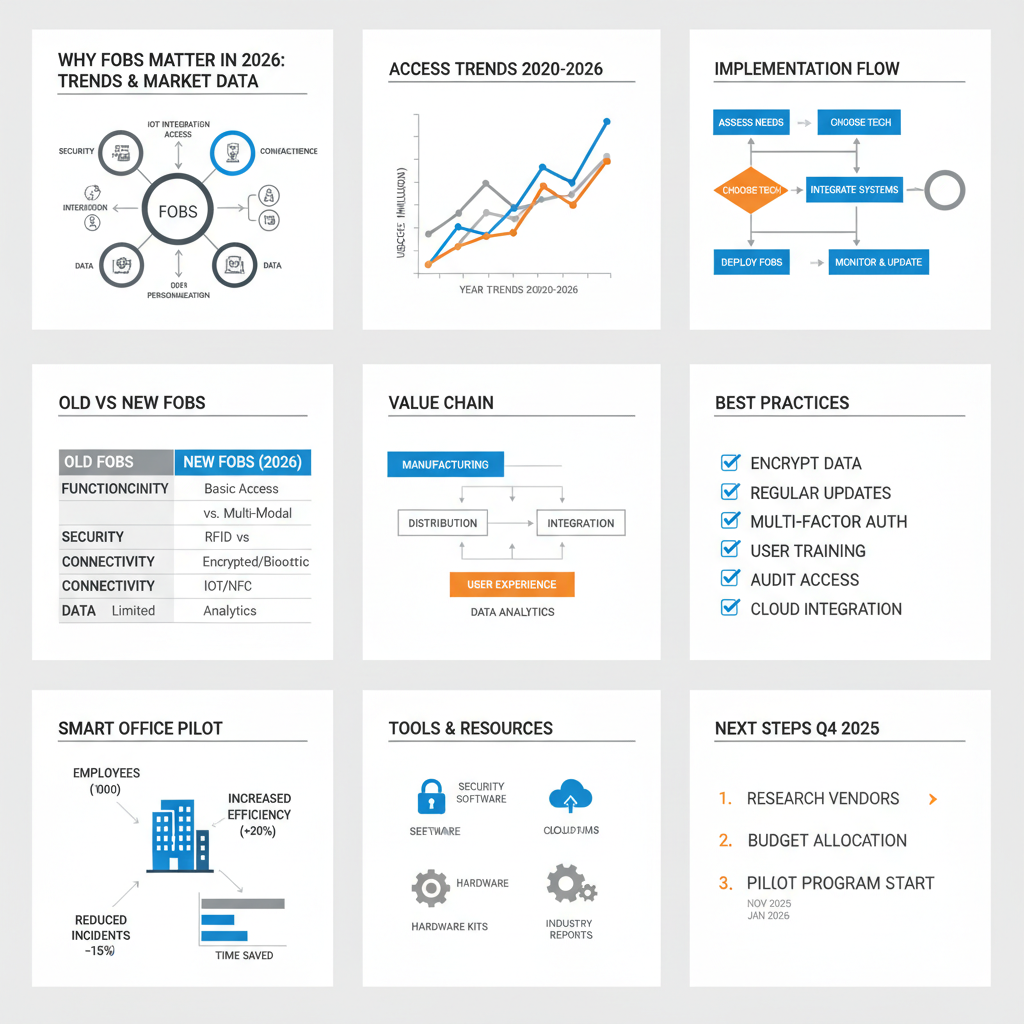
FOB, which stands for Free on Board, is a critical Incoterm in international trade that specifies the precise point where the seller’s responsibility for the goods ends and the buyer’s responsibility begins. In a standard FOB agreement, the seller is responsible for all costs and risks until the cargo is loaded onto the shipping vessel at the designated port; once the goods are “on board,” the title and risk of loss or damage officially transfer to the buyer, who then manages freight costs, insurance, and final delivery.
Many ecommerce sellers and dropshipping entrepreneurs ask: what does FOB mean in shipping terms? It is an essential concept for anyone looking to scale their business globally. As someone who’s navigated global shipping for years, I’ve seen firsthand how understanding FOB can save you thousands and prevent costly misunderstandings. If you are looking for a deeper dive into terminology, you can explore our detailed breakdown on how to FOB meaning to master your supplier negotiations.
Understanding FOB Shipping Terms: Why It Matters for Your Business
When I first started in dropshipping and international trade, shipping terms like FOB seemed like confusing jargon. But after handling thousands of shipments through ASG dropshipping, I learned that mastering FOB meaning could be the difference between profit and loss. According to industry data, shipping cost misunderstandings cause up to 15% of international trade disputes. This becomes especially relevant when dealing with complex logistics networks, such as those discussed in our international warehouse Shein complete 2026 shipping guide.
In this comprehensive guide, I’ll share everything I’ve learned about FOB shipping terms over my years in the industry. We’ll cover not just the textbook definition, but practical implications for your business. You’ll learn how FOB affects your pricing strategy, risk management, and customer satisfaction.
Here’s what we’ll explore together:
1. What FOB really means – beyond the textbook definition
2. How FOB impacts your costs – hidden expenses you need to know
3. FOB vs other shipping terms – when to use which option
4. Practical examples – real-world scenarios from my experience
5. Common mistakes – pitfalls I’ve seen sellers make
6. Best practices – strategies that have worked for our clients
7. Future trends – how shipping terms are evolving
Whether you’re just starting with dropshipping or scaling your ecommerce business, understanding FOB shipping terms is essential. Let’s dive in and demystify this crucial aspect of international trade.
Fob-meaning
Decoding FOB: The Backbone of International Trade
Alright, let’s cut to the chase. In my years of running ASG, I’ve seen countless new sellers stumble at the first hurdle: trade terms. They get lost in a sea of acronyms, and the most common one that trips them up is FOB. It’s not just jargon; it’s the invisible handshake that dictates who pays for what, who’s responsible when, and ultimately, who carries the risk. Getting this wrong can turn a profitable order into a logistical and financial nightmare overnight. So, let’s demystify it. Think of me as your guide, translating years of shipping container dramas and supplier negotiations into plain English. Understanding the FOB meaning isn’t optional—it’s your first line of defense in global trade.
What Exactly Does FOB Stand For?
FOB stands for Free On Board. Now, “free” here is the tricky part. It doesn’t mean the goods are free of charge. It means the seller’s responsibility is freed or relieved once the goods are loaded onto the shipping vessel at the named port of origin. I always tell my clients: remember “Freight On Board.” It’s the moment the baton is passed. The seller gets the product to the ship, and from that precise point, the buyer takes over the costs and risks. This is the core of the FOB meaning in logistics. The International Chamber of Commerce (ICC) defines this moment meticulously in their Incoterms® rules, which are the global standard for trade terms International Chamber of Commerce.
The Core Working Principle: A Moment in Time
The magic—and the complexity—of FOB lies in that single moment: the “FOB point” or “ship’s rail.” Picture this: A crane lifts your cargo container at the port of Shenzhen. The seller has paid for everything to get it there—inland transport, export customs, port fees. The container hovers over the vessel. Once it crosses the imaginary plane of the ship’s rail and is securely placed on deck, a switch flips.
From that millisecond forward, all costs (ocean freight, insurance, import duties) and risks (damage, loss at sea, delays) transfer to you, the buyer. In my experience, 90% of disputes arise from a fuzzy understanding of this transfer point. Was the damage from rough handling on the dock (seller’s risk) or from a storm at sea (your risk)? Defining the FOB meaning clearly in your contract is your anchor.
Why Mastering FOB is Non-Negotiable for Your Business
You might think, “I’ll just let my supplier handle it.” Bad move. Understanding FOB is about control and cost. For a dropshipper or an Amazon FBA seller, it’s critical. Here’s why:
Cost Clarity & Budgeting: With FOB, you shop for your own ocean freight. This lets you compare rates from different carriers and choose the best service for your budget and timeline. You’re not at the mercy of a supplier who might mark up shipping.
Risk Management: Knowing exactly when risk transfers to you allows for precise insurance planning. You insure the goods from the FOB point onward. No gaps, no double-paying.
Supply Chain Control: You choose the freight forwarder. This means you control the communication, track the shipment in real-time, and manage the relationship with the carrier. When issues arise (and they will), you’re not waiting for a middleman to respond.
Negotiating Power: When you understand the cost breakdown, you can negotiate better with suppliers. You can ask for an FOB price versus a CIF price and see the true cost of the goods separate from the logistics.
The Two Flavors of FOB: Origin vs. Destination
Here’s a crucial detail many miss. There are two main types, and the difference is a deal-breaker:
FOB [Port of Origin]: This is the standard, modern interpretation. Using our example: FOB Shenzhen. The seller’s responsibility ends at Shenzhen port. You pay the main freight. This is what 99% of international contracts refer to today.
FOB [Port of Destination]: An older, less common term. FOB Los Angeles would mean the seller pays to get the goods to LA port. This creates massive confusion and is why the ICC now recommends using “FCA” (Free Carrier) for such scenarios to avoid ambiguity.
Always, always specify the port name. A contract that just says “FOB” is an invitation for a dispute.
Key Elements of an FOB Transaction: A Quick-Reference Table
Let’s break down the responsibilities. This table is the cheat sheet I wish I had when I started.
| Responsibility / Cost |
Seller’s Duty (Before FOB Point) |
Buyer’s Duty (After FOB Point) |
| Export Packaging |
✓ |
| Inland Transport to Port |
✓ |
| Export Customs Clearance |
✓ |
| Loading onto Vessel |
✓ |
| Ocean/Air Freight |
✓ |
| Insurance |
(Optional) |
✓ (Highly Recommended) |
| Import Customs Clearance |
✓ |
| Inland Transport from Destination Port |
✓ |
| Risk of Loss/Damage |
Up to loading point |
From loading point onward |
Busting Common FOB Misconceptions
Let’s clear the air on the biggest myths I encounter daily:
“FOB includes shipping to my warehouse.” FALSE. This is the 1 misconception. FOB covers only to the origin port. All costs from the ship to your door are yours. The total landed cost is FOB price + freight + insurance + duties + last-mile delivery.
“The supplier will handle everything if I pay FOB.” FALSE. They handle everything until loading. You must appoint a freight forwarder to handle the booking, customs at destination, and delivery. At ASG, we often step in as that partner for our clients, managing this post-FOB leg seamlessly.
“FOB is always the cheapest option.” NOT NECESSARILY. For small shipments, a supplier’s consolidated CIF rate might be cheaper. The power of FOB shines with larger volumes where you can negotiate your own bulk freight rates. It’s about control, not just upfront cost.
“FOB terms cover product quality.” FALSE. FOB is purely a shipping and risk term. The quality, conformity, and compliance of the goods are governed by your purchase agreement and inspection clauses. You can have perfect FOB terms and still receive defective products.
Understanding the FOB meaning in depth is what separates the amateurs from the pros. It’s the foundation upon which you build a predictable, profitable, and scalable international supply chain. At ASG, we bake this clarity into every client partnership from day one, because when you’re not fighting hidden costs and liability fog, you can focus on what really matters: growing your brand.

What Does FOB Stand For?
The Strategic Core: Why FOB Meaning Matters in Your Dropshipping Business Model
Many sellers jump into dropshipping thinking the model is simple: find a product, list it, and let someone else handle the rest. But after years in this game, I’ve seen that the real complexity—and the real opportunity—lies beneath the surface. Your operational model isn’t just a logistical choice; it’s the engine of your profitability and scalability. The FOB meaning (Free On Board) isn’t just a shipping term; it’s a fundamental signal of your supply chain’s maturity. Choosing between FOB and other terms like EXW (Ex Works) or DDP (Delivered Duty Paid) dictates your costs, control, and risk exposure. Let’s break down why this is the strategic core of your business.
The Hidden Problem: When Your Operational Model Works Against You
When you’re just starting, you might work with suppliers who offer EXW terms. This means you, the buyer, are responsible for everything the moment the goods leave the factory gate: inland freight in China, customs clearance, international shipping, and destination duties. Sounds simple? It’s a trap. I’ve watched new sellers get crushed by hidden costs. A $5 product can easily incur $8 in logistics and duty fees you didn’t account for, obliterating your margin. The FOB meaning shifts this burden to the supplier up to a named port, giving you a clearer, more predictable cost baseline. Without understanding this, you’re flying blind on your most significant variable cost.
Detailed Analysis: FOB vs. Other Incoterms for Dropshippers
Let’s get tactical. EXW might look cheap on a product price list, but it’s a mirage. You become a freight forwarder overnight. DDP seems convenient, but suppliers often bake in hefty buffers for unpredictable duties, inflating your product cost and making you less competitive.
FOB (Free On Board), specifically FOB Shanghai or FOB Shenzhen, is the sweet spot for serious dropshippers. Here’s my analysis from running ASG: the supplier covers costs and risks until the goods are loaded onto the vessel at the port. You then take over the main sea/air freight. This model offers a critical balance. It gives you control over the primary international shipping leg—where you can negotiate rates with carriers based on your volume—while the supplier handles the complex domestic Chinese logistics, which they are experts at. This clarity is why we structure our core service around an FOB-equivalent model; we handle everything up to the port (like the supplier’s role in FOB), and then manage the optimized international leg for you.
Key Factors Influencing Your Sourcing Model Decision
Your choice shouldn’t be random. It depends on:
1. Volume & Scale: Low volume? DDP might simplify life. But once you scale, the lack of control and cost opacity will hurt. Higher volume directly favors FOB, as you gain leverage to secure better main freight rates.
2. Product Value & Fragility: High-value or fragile items? Under FOB, you can choose carriers with better insurance and handling. With EXW or DDP, you’re at the mercy of the supplier’s default choices.
3. Target Market Regulations: Shipping to a country with strict or complex import regulations? You need a partner who understands them. A true FOB meaning partnership with a knowledgeable agent (like ASG) means they manage the pre-export compliance, a huge burden off your shoulders.
4. Your Risk Appetite: EXW transfers maximum risk to you. FOB shares it more equitably. In my experience, managing the ocean/air freight risk is more straightforward than navigating Chinese domestic trucking and port procedures.
Solution Strategy 1: The High-Growth Seller’s FOB Playbook
If you’re moving beyond 50 orders a day, this is your blueprint. Your goal is to minimize cost-per-unit on logistics.
Step 1: Negotiate FOB Terms. Work with your sourcing agent or suppliers to clearly define FOB port charges. Get a breakdown.
Step 2: Aggregate Volume. Consolidate shipments. Instead of sending 100 small packages, ship a pallet. This is where our ASG system shines—we batch orders automatically to achieve this economy of scale for our clients.
Step 3: Secure Contracted Freight Rates. Use your consolidated volume to negotiate fixed rates with a freight forwarder for the main leg from the FOB port. This turns a variable cost into a predictable one.
Pro-Tip: Don’t just look at the sea freight cost. Factor in destination port charges and last-mile delivery. A good forwarder will give you a “landed cost” estimate.
Solution Strategy 2: The Beginner’s Path to FOB Clarity
Starting out, you likely won’t have volume. Here’s how to benefit from the FOB meaning without the headache.
Partner with a Full-Service Agent: This is the most effective move. Partner with a company like ASG that operates on a consolidated FOB model. We act as your bulk buyer. You get the simplicity of a DDP-like price (all-inclusive), but behind the scenes, we’re executing the FOB strategy at scale, passing the savings and stability on to you. You get the benefits without the operational nightmare.
Start with Hybrid Models: Some agents offer “FOB + Fixed Freight” quotes. You pay a single price that covers everything from the factory to your customer’s door, but the quote is structured transparently. This is an excellent way to learn the cost components.
The Four Non-Negotiable Success Factors for Model Mastery
1. Transparency: You must see the cost breakdown. If your agent can’t explain the difference between their “all-in price” and a true FOB cost plus freight, be wary.
2. Communication: The FOB meaning hinges on clear handoff points. Ensure your supplier/agent confirms when goods are “on board” with a Bill of Lading. This is your proof and trigger for the next payment phase.
3. Documentation Accuracy: A single error on a commercial invoice or packing list under FOB can delay customs clearance at destination, incurring demurrage charges. Accuracy is cheaper than speed.
4. Relationship with Your Forwarder/Agent: This is your logistics backbone. Their reliability directly impacts your customer’s delivery experience. Don’t just choose the cheapest; choose the most communicative and stable.
Time & Cost Analysis: FOB-Based Sourcing vs. Alternatives
The following table illustrates a typical scenario for shipping a 50kg carton of goods to the USA, based on our internal data and common market rates. These are estimates, but they show the structural differences.
| Cost Component |
EXW (You Manage All) |
FOB (You Manage Main Freight) |
DDP (Supplier Manages All) |
| Product Cost (Factory) |
$500 |
$500 |
$550 (Often inflated to cover risk) |
| Domestic China Trucking |
~$50 |
$0 (Supplier covers to port) |
$0 (Included) |
| Export Customs & Docs |
~$30 |
$0 (Supplier covers) |
$0 (Included) |
| Port Handling (Origin) |
~$40 |
$0 (Included in FOB) |
$0 (Included) |
| Ocean/Air Freight |
~$150 (Your negotiated rate) |
$0 (Included, but hidden) |
| Import Duty & Tax (USA) |
~$75 (Your responsibility) |
$0 (Pre-paid by supplier) |
| Destination Clearance |
~$50 |
~$50 |
$0 (Included) |
| Last-Mile Delivery (USA) |
~$60 |
~$60 |
$0 (Included) |
| Total Estimated Cost |
~$955 |
~$835 |
$550 (but product cost is higher) |
| Your Time Investment |
Very High |
Medium |
Low |
| Your Financial Risk |
Highest (unexpected fees) |
Medium (predictable freight) |
Low (but margin lower) |
| Control & Flexibility |
Full control, high complexity |
High control on main leg |
Very Little control |
Source: ASG Internal Logistics Data & Industry Benchmarks from Flexport’s Incoterms Guide.
Common Challenges & My Recommended Countermeasures
Challenge: “My FOB supplier delayed loading, missing my vessel cutoff.”
Countermeasure: Build in a buffer of 2-3 days in your shipping timeline. Use an agent who has a physical presence near the port to oversee and expedite.
Challenge: “Freight rates skyrocketed after I locked in my FOB product price.”
Countermeasure: Negotiate freight rates monthly or quarterly, not per-shipment. Consider a blended rate agreement with your forwarder.
Challenge: “Duties at destination were much higher than estimated.”
Countermeasure: This is a key advantage of the FOB meaning clarity. Work with a customs broker before shipping to get an accurate duty classification (HTS code) and estimate. Don’t guess.
Best-Practice Summary: Making FOB Work for You
Mastering your operational model isn’t optional; it’s how you build a durable business. Start by deeply understanding the FOB meaning and its implications. For most growth-focused dropshippers, moving towards an FOB-based structure—either by managing it yourself at scale or, more realistically, partnering with an agent who masters it for you—is the path to sustainable margins and control. It transforms logistics from a chaotic cost center into a strategic, optimized advantage. At ASG, this isn’t just theory; it’s the operational bedrock that allows us to offer our clients faster, more reliable, and more cost-effective fulfillment than going it alone.

FOB Shipping Point vs FOB Destination
Section 3: Mastering FOB: A Strategic Blueprint for Modern Dropshipping
Navigating FOB terms isn’t just about understanding a definition; it’s about integrating a powerful logistical and financial strategy into the core of your dropshipping operation. Over the years, I’ve seen sellers treat shipping terms as an afterthought—a box to tick. That’s a costly mistake. For a modern dropshipping business, your approach to FOB can be the difference between a profitable, scalable venture and one that’s constantly firefighting.
Here’s my strategic blueprint for leveraging FOB meaning to build a resilient, high-margin business.
1. The Strategic Mindset: FOB as a Control Point, Not Just a Cost
Many sellers view FOB terms purely as a cost variable. My perspective is different. I see it as a critical control point for your entire supply chain. When you, as the buyer, take ownership at the factory gate (FOB Origin), you’re not just accepting a cost; you’re assuming command of the most crucial leg of the customer journey: getting the product from your supplier to your customer.
This shift in mindset is everything. It means you stop being a passive order-forwarder and start being an active logistics manager. You’re responsible for selecting carriers, negotiating rates, tracking shipments, and managing delays. This control is a double-edged sword: it introduces complexity but unlocks massive potential for optimization, branding, and customer satisfaction that generic supplier shipping can never match.
2. Technology Stack: Automating the FOB Workflow
Managing FOB shipments manually is a recipe for errors and burnout. The right technology stack turns complexity into a competitive advantage.
ERP & Order Management Systems: This is your command center. A system like ours at ASG automates the entire flow. When an order comes in, it triggers the purchase from our factory network, generates the commercial invoice with correct FOB terms, books the freight, and provides real-time tracking—all without manual intervention. This reduces errors and frees you to focus on marketing and sales.
Real-Time Tracking Integration: Visibility is non-negotiable. Your tech stack must provide customers and you with real-time, parcel-level tracking from the moment it leaves our warehouse. This transparency builds immense trust and drastically reduces “Where is my order?” (WISMO) support tickets.
Data Analytics Dashboard: Use analytics to monitor key FOB-related metrics: freight cost per unit by destination, average transit times, carrier performance (on-time delivery rates), and damage/ loss ratios. This data is gold for negotiating better rates and identifying bottlenecks.
3. Innovation in Fulfillment: Beyond Basic FOB
The classic FOB meaning is just the starting line. At ASG, we’ve innovated by layering our own fulfillment network on top of it. Think of it as “FOB Plus.”
We act as the “Origin” point for our clients. You have an FOB agreement with us at our warehouse. This means you control the shipping and costs from our door. But behind the scenes, we’ve already consolidated products from multiple factories, performed quality checks, applied your custom branding, and stored them in our secure facility. This innovation turns the traditional, fragmented FOB process into a streamlined, branded, and reliable experience. You get the control of FOB with the simplicity and consistency of a dedicated fulfillment partner.
4. Advanced Optimization: Squeezing Every Drop of Efficiency
Once you have control (via FOB) and technology, optimization is your path to profit.
Carrier Diversification & Negotiation: Don’t rely on one carrier. Use a mix of express (DHL, FedEx), standard (ePacket, postal), and emerging regional specialists. We negotiate bulk rates based on our aggregated volume, which individual sellers could never achieve, and pass those savings on. Regularly audit these rates against market benchmarks.
Shipping Zone Analysis: Analyze your sales data to identify your top customer zones. Then, work with your fulfillment partner (like ASG) to explore regional shipping options or even strategic inventory placement (like our US/EU warehouse network) to reduce last-mile costs and delivery times from those key zones.
Packaging Optimization: Under FOB, freight cost is often volumetric. Work with your supplier or fulfillment center to design right-sized packaging. Reducing a package size by even 10% can lead to significant savings on international freight. We provide packaging consultation as part of our service for this exact reason.
5. Comparative Analysis: FOB vs. Other Terms in Dropshipping
Let’s be clear: FOB isn’t always the best choice. Its superiority depends on your scale and goals.
FOB vs. EXW (Ex-Works): EXW gives you even more control (and responsibility), as you arrange collection from the supplier’s door. This is often too complex for most dropshippers unless you have a local agent. FOB strikes a better balance for cross-border trade.
FOB vs. CIF (Cost, Insurance, Freight): CIF is common but dangerous. The supplier arranges shipping and insurance. This sounds easier, but you lose all control over carrier quality, cost transparency, and claims handling. I’ve seen too many sellers on CIF get stuck with slow, unreliable shipping and hidden fees that destroy their margins. FOB, while requiring more involvement, is almost always more transparent and cost-effective at scale.
FOB vs. DDP (Delivered Duty Paid): DDP is the ultimate hands-off option for the seller, as the supplier handles everything to the customer’s door. However, this convenience comes at a steep premium and total lack of control. For building a brand with a consistent customer experience, FOB (paired with a reliable partner like ASG) is superior.
6. Essential Tools & Resources for FOB Management
You don’t need to build this alone. Leverage these tools:
Freight Rate Comparison Platforms: Tools like Freightos or ShipStation can provide initial benchmarks for air and sea freight rates.
Trade Documentation Guides: The International Chamber of Commerce (ICC) Incoterms® 2020 rules are the bible. Keep a digital copy handy ICC Incoterms® 2020.
A Competent Fulfillment Partner (Your Most Critical Tool): This is the most important resource. A partner like ASG that understands FOB meaning inside out handles the heavy lifting: carrier contracts, customs documentation, real-time tracking, and issue resolution. We become your de facto logistics department.
7. Implementation Checklist: Activating Your FOB Strategy
Ready to switch? Don’t jump in blindly. Follow this checklist:
1. Internal Audit: Calculate your current all-in landed cost per item (product + shipping + fees) under your existing terms.
2. Partner Vetting: If you’re not working directly with factories, choose a fulfillment partner with proven FOB expertise, transparent pricing, and strong carrier relationships. (Ask us about our partner onboarding process).
3. Pilot Program: Don’t migrate all products at once. Select 3-5 bestsellers and run a pilot. Test the new FOB workflow end-to-end.
4. Update Systems: Ensure your store’s checkout, tax, and shipping logic aligns with the new cost structure (you now bear freight costs).
5. Communicate: Adjust customer expectations if shipping times or costs will change. Transparency prevents chargebacks.
6. Monitor & Iterate: Closely track the pilot’s KPIs: cost savings, delivery time, customer feedback. Then, scale what works.
8. Error Diagnosis & Quick Fixes for Common FOB Pitfalls
Even with a great strategy, things go wrong. Here’s how to diagnose and fix common issues:
Problem: “My freight costs are suddenly spiking!”
Diagnosis: Check for dimensional weight changes from your warehouse, carrier surcharges (fuel, peak season), or incorrect commodity descriptions on the commercial invoice.
Quick Fix: Audit your packaging immediately. Contact your fulfillment partner to verify invoice details and challenge unexpected surcharges with the carrier.
Problem: “Shipments are stuck in customs.”
Diagnosis: This is almost always an incomplete or inaccurate commercial invoice or missing certifications.
Quick Fix: Your fulfillment partner should handle this. A professional partner like ASG pre-checks all documentation and has contacts to resolve clearance issues swiftly. If you’re DIY-ing, immediately provide the requested documents to the customs broker.
Problem: “Customers complain about longer delivery times than advertised.”
Diagnosis: You’re likely using a slower, cheaper carrier to save costs, or there’s a bottleneck at a transit hub.
Quick Fix: First, be transparent with customers and provide tracking. For the future, balance cost and speed. Consider a hybrid model: use economy shipping for non-urgent items and a premium option for bestsellers. At ASG, we use data to recommend the optimal carrier for each product/destination mix.
Mastering the fob meaning and its application is a journey from logistical passenger to pilot. It demands more upfront work but pays back in control, profitability, and a brand experience you can truly own. In my experience, the sellers who embrace this complexity are the ones who build lasting, sustainable businesses.

How FOB Affects Your Business Costs
The Future of Dropshipping: Trends, Tech, and How to Win in 2026 and Beyond
Navigating the dropshipping landscape requires more than just finding a good supplier today. It demands a forward-looking strategy that anticipates where the market is heading. After years at the helm of ASG, I’ve learned that success belongs to those who prepare for tomorrow’s challenges and opportunities. Let’s dive into the forces shaping 2026 and how you can position your business to not just survive, but thrive.
The 2026 Dropshipping Market at a Glance: Data-Driven Projections
The trajectory is clear: global e-commerce, and by extension dropshipping, is on a steep growth curve. While many sources provide historical data, forward-looking analysis from firms like Statista and eMarketer helps us paint a picture of 2026.
Here’s a snapshot of the key trends we’re tracking:
| Trend Category |
2026 Projection / Key Driver |
Implication for Dropshippers |
| Global E-Commerce Sales |
Expected to exceed $8.1 trillion (eMarketer) |
A larger overall pie means more opportunity, but also more competition. Niche specialization will be key. |
| Consumer Demand for Speed |
2-3 day delivery becoming a baseline expectation in major markets like US & EU. |
Suppliers with inefficient, 15+ day shipping from China will become obsolete. Your fulfillment partner must offer sub-10-day options. |
| Rise of Social & Video Commerce |
Over 30% of online purchases projected to be influenced by social platforms (McKinsey). |
Product discovery is shifting. Your marketing and product selection must be optimized for TikTok Shop, Instagram Shopping, etc. |
| Sustainability & Ethical Sourcing |
Transparency in supply chain and eco-friendly packaging are major purchase decision factors for Gen Z & Millennials. |
Bland, generic packaging from a nameless factory won’t cut it. Partners offering branded, sustainable packaging solutions will win. |
| Automation & AI Integration |
AI-driven pricing, inventory forecasting, and customer service chatbots will be standard for competitive operations. |
Manual processes are a growth bottleneck. Your tech stack, including your supplier’s ERP, needs to be AI-ready. |
The Tech Revolution: AI, Automation, and Your Supply Chain
The biggest shift I see isn’t in what we sell, but in how we operate. Emerging technologies are dismantling old barriers. At ASG, we’ve invested heavily in integrating AI into our ERP. This isn’t just about chatbots. It’s about predictive analytics that alert us to potential stock-outs in specific warehouses weeks in advance, or dynamic repricing tools that keep your listings competitive without you lifting a finger.
The impact is profound. For you, this means your supplier’s tech capability directly affects your scalability. A partner with a manual, spreadsheet-based order process will hold you back. One with an API-first, automated system like ours turns you into a lean, mean, scaling machine. The fob-meaning of your partnership evolves from a simple transaction to a seamless technological integration.
What the Leaders Are Doing Now (That You Should Copy)
The top performers in our network aren’t just running ads; they’re building systems. Their latest practices include:
1. Hyper-Niche Brand Building: They’re moving beyond generic “home goods” stores. Think “Sustainable Yoga Accessories for Urban Dwellers” or “Retro Gaming Memorabilia.” They use our custom packaging and branding services to create a unique, memorable unboxing experience that customers share on social media.
2. Multi-Channel Fulfillment Agility: They’re not just on Shopify. They’re on Amazon, Etsy, TikTok Shop, and their own sites, all fed from a single, centralized inventory pool. Their suppliers (like us) provide the unified backend that makes this possible without inventory chaos.
3. Proactive Customer Experience: They use the data and speed we provide to set and exceed customer expectations. Promising “7-10 day delivery” and consistently delivering in 6 creates powerful positive reviews and repeat business.
The New Dropshipping Customer: Evolving Demand Patterns
Your end-customer’s expectations have changed. Speed is a given. Now, they crave authenticity, story, and a seamless post-purchase journey. They want to know the fob-meaning of their purchase—not just the cost, but the origin and ethos behind it.
They expect real-time tracking without having to ask. They appreciate a personalized thank-you note (a service we provide as part of our brand kits). If there’s an issue, they want a proactive solution, not a week-long email chain. Your entire operation, from marketing to your supplier’s售后, must be designed around this empowered, impatient, experience-driven consumer.
Navigating the 2026 Competitive Landscape: Windows of Opportunity
The competition will be fiercer, but the windows of opportunity are wider for the prepared.
The “Commodity Trap” Window is Closing: Competing solely on the lowest price for a generic phone case is a race to the bottom. The algorithms and mega-marketplaces will win there.
The “Agile Brand” Window is Wide Open: The opportunity lies in speed-to-market and brand agility. Can you spot a micro-trend on social media, source a quality product through a responsive partner, and have it listed with custom branding before the trend peaks? That’s the new game. This requires a supplier that can move at the speed of the internet, not the speed of a traditional freight forwarder.
The “Trust & Transparency” Advantage: In a world of scams and slow shipping, a supplier that offers reliability, clear communication (like our 1-on-1 agent model), and guaranteed fulfillment becomes a massive competitive advantage for you. You’re not just selling a product; you’re selling the peace of mind that comes with a robust supply chain.
The 3-5 Year Forecast: From Dropshipper to Global Brand Manager
Looking ahead, I believe the line between “dropshipper” and “global brand manager” will blur. The successful entrepreneur will:
1. Leverage Fully Automated Fulfillment: Your role will shift from daily order processing to strategic marketing, customer community building, and product innovation.
2. Develop Multi-Source Supply Chains: You’ll work with a primary agent like ASG for core lines but may integrate specialized niche suppliers for unique products, all managed through a centralized platform.
3. Focus on Data & Customer Lifetime Value (LTV): Profit will come from nurturing repeat customers, not just acquiring new ones. Your supplier should provide data to help you understand buying patterns.
Seizing the Trend Dividends: Your Action Plan for 2024-2026
The time to prepare for 2026 is now. Here is my direct advice:
1. Audit Your Tech Stack: Is your supplier’s system automated? Can it integrate with your platforms seamlessly? If not, you’re building on sand. This is non-negotiable.
2. Pressure-Test Your Logistics: What is your current average delivery time to your key market? If it’s over 10 days, you are vulnerable. Explore partners who offer consolidated shipping and local warehouses to get that number down.
3. Invest in Your Brand, Not Just Your Store: Start small. Use a supplier’s branding services to add a custom thank-you card or branded tape. Measure the impact on reviews and repeat rate. This is your moat.
4. Build a Relationship, Not Just a Transaction: Find a partner who understands the fob-meaning of your business goals. Are they just an order taker, or are they a proactive advisor helping you navigate these future trends? At ASG, we see ourselves as growth partners. Our clients’ scalability is directly tied to the robustness of the infrastructure we provide.
The future of dropshipping is bright, but it belongs to the strategic, the automated, and the brand-focused. It’s about moving from simply finding products to building a resilient, tech-powered, customer-centric business machine. Your choice of fulfillment partner will be the single most critical decision you make on that journey.

Common FOB Mistakes to Avoid
Section 5: FOB in Action: Real-World Applications and Hard-Won Lessons
In the previous sections, we’ve unpacked the theory behind FOB. But theory alone doesn’t win in the trenches of global trade. Over my years building ASG, I’ve seen FOB play out in countless scenarios—some leading to explosive growth, others to costly mistakes. Let’s move from the textbook to the real world. Here’s how FOB works in practice, where it can go wrong, and the golden rules we’ve distilled from managing thousands of shipments.
A Case Study from Our Playbook: Scaling a Niche Home Decor Brand
Let me share a recent, hands-on experience from our portfolio at ASG. We partnered with a US-based Shopify seller specializing in artisanal ceramic vases. Initially, they were using a supplier who handled everything under DDP (Delivered Duty Paid). It was “easy,” but their margins were being squeezed to under 15%, and they had zero visibility or control over the production and shipping process.
We proposed switching to an FOB Shanghai model. Here’s how it worked in practice:
1. Sourcing & Negotiation: We connected them directly with one of our vetted factory partners in Jingdezhen (the “Porcelain Capital”). The FOB price per unit was 40% lower than their all-in DDP cost.
2. Control & Quality: The client paid a deposit, and our quality control team on the ground conducted pre-shipment inspections. They approved the batch before it left the factory gate—a level of quality assurance impossible under their old opaque model.
3. Logistics Orchestration: Once goods were ready, we arranged freight from Shanghai to LA port using our consolidated shipping channels. The client, now the importer of record, used a customs broker we recommended. The total landed cost (FOB price + our logistics fee + freight + insurance + duties) was calculated transparently.
4. The Result: Their per-unit cost dropped by 28%. More importantly, by owning the logistics leg, they cut delivery time to the US by 10 days and could offer customers more reliable delivery estimates. Their margins expanded, and customer satisfaction scores jumped. This is the power of FOB when executed with a partner who knows the ground realities.
Application Scenarios: When FOB Shines (and When It Doesn’t)
FOB isn’t a one-size-fits-all solution. Its effectiveness depends entirely on your operational maturity and product profile.
Ideal Scenario 1: The Scaling Volume Importer. You’re past the testing phase, have predictable monthly order volumes (e.g., 500+ units), and are ready to optimize for cost. FOB is your tool. You benefit from economies of scale in shipping and gain control. This is where most of our successful ASG clients operate.
Ideal Scenario 2: The Brand Builder. You care deeply about packaging, unboxing, and inserting marketing materials. With FOB, you can arrange for these materials to be inserted at a consolidation warehouse before the main ocean freight, creating a seamless branded experience. We do this daily for clients wanting custom thank-you cards or branded packaging.
Less Ideal Scenario: The Absolute Beginner. If you’re testing a single product with orders under 50 units a month, the complexity and upfront cost of arranging international freight can be daunting. Here, a fully landed cost (like DDP) from a platform might be a simpler starting point. However, we often guide such clients through a hybrid model—we handle the FOB logistics as part of our service, so they get the cost benefits without the operational headache.
Cautionary Tales: Common FOB Failure Modes I’ve Witnessed
I’ve also seen FOB deals go south, usually due to avoidable mistakes. Let me be blunt about the pitfalls.
Failure Case 1: The “Free On Truck” Misunderstanding. A client once celebrated a “great FOB price” from a new supplier. Goods were loaded on a truck at the factory. The client thought their responsibility started at the port. The supplier interpreted “FOB” as “Free On Board” the truck at their warehouse. The goods sat, demurrage charges piled up, and the relationship soured. Lesson: The named location (e.g., FOB Shanghai Port) is non-negotiable and must be crystal clear in the contract.
Failure Case 2: Underestimating “Local Charges.” A buyer focused only on the attractive FOB price and the ocean freight quote. They were blindsided by port handling fees, documentation fees, and terminal charges at the origin port (THC, documentation fee). These “FOB-meaning” local charges, while the seller’s responsibility to arrange, are often ultimately passed to the buyer. Lesson: Always, always get a detailed breakdown of all origin port charges from your forwarder or agent before committing.
Failure Case 3: Lack of Cargo Insurance. A client shipped a high-value electronics batch under FOB. The container was lost overboard in a storm. Since risk transferred to them at the loading port, they bore the total loss. Their profit for the year vanished. Lesson: Cargo insurance is not an optional extra in FOB shipments; it’s a critical cost of doing business. The relatively small premium is a hedge against catastrophe.
Cross-Industry Lens: FOB in E-commerce vs. Traditional Bulk Trade
The application of FOB differs significantly between our world of e-commerce and traditional bulk commodity trade.
Traditional Bulk Trade (e.g., Iron Ore, Grain): Here, FOB is often about massive volumes on chartered vessels. The “point” of risk transfer is critical for insuring a $10 million cargo. The process is slower, dominated by letters of credit, and involves specialized surveyors.
E-commerce & Dropshipping (Our Arena): FOB is about speed, flexibility, and consolidation. We’re rarely chartering ships; we’re buying space in shared containers (LCL). The “FOB-meaning” is the same, but the execution is about aggregating orders from multiple clients into one shipment to reduce costs. At ASG, we treat FOB not as a burden for the seller, but as a service we provide: we become the de facto “seller” for the logistics leg, handling everything past the factory gate for our clients. This hybrid model is what makes FOB accessible and powerful for online sellers.
Calculating the True ROI of an FOB Strategy
Is FOB worth it? Let’s move beyond theory and look at hard numbers. Don’t just compare FOB price vs. DDP price. You must build a Total Landed Cost model.
Here’s a simplified ROI calculation table for a hypothetical shipment of 500 units:
| Cost Component |
DDP Model (All-in) |
FOB Model (Your Control) |
Notes |
| Product Cost |
$5.00/unit |
$4.00/unit |
FOB price from factory is typically lower. |
| Ocean Freight (LCL) |
Included |
$0.80/unit |
Your negotiated rate with a forwarder. |
| Origin Port Charges |
Included |
$0.15/unit |
THC, docs fee. Often overlooked! |
| Cargo Insurance |
Possibly Included |
$0.05/unit |
Non-negotiable. 1.5% of cargo value. |
| Destination Duty/Tax |
Included |
$1.20/unit |
You must calculate this based on product HTS code. |
| Last-Mile Delivery |
Included |
$2.50/unit |
From US port to your warehouse/3PL. |
| Your Logistics/Agent Fee |
$0.00 |
$0.30/unit |
e.g., ASG’s service fee for managing the FOB process. |
| TOTAL Landed Cost/Unit |
$8.50 (quoted) |
$8.00 (calculated) |
Your Savings: $0.50/unit |
| Total Shipment Cost |
$4,250 |
$4,000 |
| Your Time & Risk |
Low (Supplier handles) |
High (You manage/coordinate) |
This is the hidden cost. A good agent mitigates this. |
The ROI: A saving of $0.50/unit. On 500 units, that’s $250 more profit, or room to be more competitive. The key is whether the saving outweighs the operational burden. For most, partnering with an expert (like ASG) turns that burden into a managed service, preserving the savings.
The 5 Golden Rules of FOB, Distilled from Battle Scars
After overseeing countless FOB shipments, these are the non-negotiable rules my team and I live by:
1. Clarity Over Assumption: The “F” in FOB stands for “Free.” Define exactly what is free, and until where. Your contract must specify “FOB [Named Port, e.g., Shanghai Port], Incoterms® 2020.” No vagueness.
2. Insurance is Your Seatbelt: Never, ever ship under FOB without marine cargo insurance. Risk transfers to you the moment the goods are over the ship’s rail. Protect your capital. A study by the International Union of Marine Insurance highlights that cargo claims remain frequent and severe.
3. Partner with a Local Expert on the Origin Side: You cannot manage Chinese port charges, trucking, and customs clearance from abroad. You need a trustworthy agent or freight forwarder at the export port. Their fee is worth every penny to avoid Failure Cases 1 & 2.
4. Calculate Total Landed Cost, Not Just FOB Price: The FOB price is just the entry ticket. You must model all subsequent costs (freight, insurance, duties, local fees) to see the true financial impact. Use the table above as your template.
5. Start Small, Validate, Then Scale: Don’t jump into FOB with your entire product line. Test it with one container, one product. Validate the process, the partner’s reliability, and the actual costs. At ASG, we encourage clients to run a pilot—often just 5 orders—to see the mechanics in action before fully committing.
Mastering FOB is like learning to drive a manual transmission. It gives you more control and can be more efficient, but it requires more skill and attention. In the high-stakes race of global e-commerce, that control is often what separates the profitable brands from the rest. By applying these rules and learning from both successes and failures, you can turn FOB from a shipping term into a strategic advantage.

Shipping terms of sale
FAQ
Let’s address some of the most common questions I get from dropshippers, both new and seasoned. These are based on real conversations with hundreds of sellers who have walked this path.
What exactly does ASG do, and how is it different from other suppliers?
We are a specialized dropshipping agent, not just another sourcing company. Think of us as your operational backend in China. While many suppliers just provide a product link, we integrate directly with your Shopify store via our app, automate the entire fulfillment process from order to delivery, and provide dedicated support. Our core difference lies in our factory-direct model—we leverage partnerships with over 2300 factories to cut out middlemen. This translates to better prices for you and, crucially, direct control over quality and inventory stability. A common pain point in this industry is the “black box” of fulfillment; we make the process transparent and efficient.
How does the pricing work? Are there any hidden fees?
Transparency is non-negotiable for us. Our pricing is product-specific and consists of the product cost (sourced directly from the factory) plus the fulfillment service fee (which covers picking, packing, quality check, and branded packaging if you opt for it). We provide a clear, upfront quote for every product you’re interested in. There are no monthly subscription fees or hidden charges. You pay per order fulfilled. For those starting, we even offer a test phase with a minimum order quantity of just 5 units across different products to let you validate the market with minimal risk.
What is your average shipping time to the US and Europe?
This is where our logistics optimization shines. For standard shipments to major destinations like the US and EU, our average delivery window is 6-10 days door-to-door. This is achieved through a combination of strategic warehousing and partnerships with premium logistics carriers. We’ve moved beyond the slow, unpredictable 20-30 day shipping cycles that plague many marketplaces. Faster shipping directly impacts your conversion rates and customer satisfaction. A study by the Baymard Institute cites that slow delivery is a top reason for cart abandonment, which is why we’ve made speed a cornerstone of our service source: Baymard Institute, “Cart Abandonment Rate Statistics”.
Can you handle custom packaging and branding?
Absolutely. We believe a generic package is a missed opportunity. We offer full branding services, including custom packaging boxes, poly mailers, thank you cards, and even custom printed products (like t-shirts or mugs). This isn’t just about slapping a logo on a box; it’s about creating a unboxing experience that builds your brand loyalty, not the supplier’s. We’ve seen our clients’ repeat customer rates increase significantly after implementing branded packaging, as it elevates the perceived value of their store.
How do you manage quality control?
Quality control is integrated into our fulfillment process, not an afterthought. For every order, our team conducts a basic visual inspection during the packing stage to check for obvious defects, wrong items, or damage. For new products or during your initial testing phase, we strongly recommend ordering a sample first. We can even provide a video inspection of the sample upon request. This proactive approach, rooted in our direct factory relationships, helps us catch issues before they reach your customer, saving you chargebacks and negative reviews.
What happens if there’s a problem with an order (lost package, wrong item, defective product)?
We own the problem. Our policy is straightforward: if an issue is due to our error in fulfillment (wrong item shipped, our warehouse damage), we reship the correct item at our cost. For lost packages with standard shipping, we follow up aggressively with the logistics provider and typically reship after a defined investigation period. For defective products reported by your end customer, we handle the return logistics to our warehouse in China and arrange for a replacement. The key is communication—your dedicated agent will keep you updated throughout the resolution process.
I’m currently using another agent/AliExpress. How do I switch to ASG smoothly?
We’ve managed countless transitions. The smoothest way is to run a parallel test. Send us 5-10 of your best-selling products and their links from your current supplier. We’ll provide a comparative quote and timeline. Once you’re satisfied, you can start routing new orders for those SKUs to us while your old supplier fulfills the remaining stock. Our app makes it easy to manage multiple suppliers for different products. We also provide a detailed supplier comparison report to help you make a data-driven decision on cost, speed, and reliability.
Do you have a minimum order quantity (MOQ)?
For ongoing fulfillment, we operate on a one-piece basis—true dropshipping. There’s no MOQ for orders you receive from your store. However, for initial product testing and to ensure quality consistency, we require a minimum test order of 5 units per product. This small batch allows us to streamline the sourcing and gives you a real sample of our service and the product quality before you scale.
What kind of support can I expect?
You get a dedicated account manager. This isn’t a generic support ticket system. You’ll have a single point of contact who understands your store, your products, and your goals. They are available via your preferred channel (like WhatsApp or email) for everything from urgent shipping updates to strategic advice on product selection. We’re not just order-takers; we see ourselves as partners in your growth.
How do I get started?
It’s a simple three-step process we’ve refined over the years:
1. Share Your Needs: Tell us about your store—what you sell, your target countries, and your current order volume.
2. Test Drive: Send us links to 1-5 products you’d like to test. We’ll quote you and can provide sample videos. Place a test order (5 units min).
3. Go Live: Once you’re happy, we’ll get you set up on our app for automated fulfillment, and you can start scaling with confidence.
The goal is to remove the friction and uncertainty from cross-border e-commerce, so you can focus on what you do best: marketing and growing your brand.

Fob-meaning
Summary & Action Plan
Let’s bring this all together. Navigating the world of dropshipping, especially when dealing with complex terms like FOB meaning and managing international suppliers, can feel like assembling a puzzle without the picture on the box. My goal has always been to give you that picture—a clear, actionable blueprint for success.
Here’s a consolidated plan to move from theory to practice.
Recap: Your Key Takeaways for Dropshipping Success
First, remember the core pillars we’ve covered. Your foundation must be solid:
Master the Jargon: Understanding FOB meaning isn’t academic; it’s financial. It dictates your landed cost and who handles risk. Clarity here prevents costly surprises.
Supplier Vetting is Non-Negotiable: Go beyond price. Scrutinize communication, inspect sample quality, and verify production capacity. A reliable partner is worth more than the lowest quote.
Automate to Liberate: Your time is your most valuable asset. Use tools to automate order processing, tracking updates, and inventory sync. This lets you focus on marketing and growth.
Prioritize the Customer Experience: From branded packaging to proactive communication, every touchpoint is a chance to build loyalty and justify a premium price.
These aren’t just tips; they’re the operational principles we’ve built ASG upon to serve our clients effectively.
Your Immediate Action Plan: First 72 Hours
Don’t let this information gather dust. Act now:
1. Audit Your Current Process: If you’re already dropshipping, map out your workflow. Identify where terms like FOB are unclear and where manual tasks are eating your time.
2. Re-negotiate or Clarify Incoterms: Contact your current suppliers. Confirm the exact FOB meaning in your agreements. Are you unexpectedly liable for freight costs or port fees? Clarify this immediately.
3. Schedule a Supplier “Health Check”: Set up calls with your top 3 suppliers. Ask about their current lead times, capacity, and quality control processes. Don’t assume nothing has changed.
4. Bookmark One New Tool: Whether it’s a product research app, a shipping analytics platform, or a CRM, commit to learning one new piece of software this week to automate one repetitive task.
Roadmap: Beginner vs. Advanced Seller Priorities
Your focus should evolve with your business stage:
For Beginners: Your mantra is “Simplify and Validate.” Don’t try to master everything at once. Use a turnkey solution (like a service that handles sourcing and fulfillment) to test products and markets with minimal overhead. Your primary KPI is finding a single, profitable product-market fit. Worry about custom branding and complex logistics later.
For Advanced Sellers: Your focus shifts to “Optimize and Scale.” Now, deep-dive into cost analysis. Negotiate better FOB or CIF terms based on your volume. Implement advanced analytics to forecast demand and pre-stock best-sellers. Develop a multi-tiered customer service protocol. Explore building a true brand with custom product development.
Commit to Continuous Learning: Recommended Resources
The landscape changes fast. Stay sharp:
Industry Reports: Follow annual reports from Digital Commerce 360 and eMarketer for macro-trends.
Deep-Dive Communities: Engage in niche-specific forums like the Shopify Community or subreddits like r/ecommerce. The real-world problems discussed there are invaluable.
Logistics Intelligence: Subscribe to newsletters from freight forwarders or logistics tech companies. They often publish insights on port congestion, tariff changes, and new shipping routes that directly impact your FOB meaning and final costs.
Where to Get Further Help & Support
You don’t have to build this alone. When you hit a complex bottleneck—like managing multiple FOB suppliers across different regions or scaling your fulfillment infrastructure—that’s when a specialized partner adds immense value.
At ASG, we built our entire service model to be that partner. We handle the intricate backend—from factory negotiations and clear Incoterms management to warehousing, automated fulfillment, and branded shipping—so you can focus on growing your brand. If streamlining your global supply chain is your next strategic move, let’s start a conversation. We can audit your current setup and show you a clearer path forward.