Many ecommerce merchants struggle with Asian size conversions to US when sourcing from Asian suppliers. This systematic guide covers exact conversion charts, practical methods for different product categories, and proven strategies to reduce return rates while improving customer experience across global markets.
Why Asian Size Conversions Matter for Ecommerce Success
As an experienced dropshipping CEO, I’ve seen countless sellers lose money due to incorrect size conversions. Did you know that over 40% of fashion returns are due to sizing issues? When you’re sourcing from Asian factories through platforms like 1688, understanding the fundamental differences between Asian and US sizing can make or break your business.
Asian sizes typically run smaller than US equivalents – sometimes by 1-2 full sizes. This creates a massive pain point for merchants selling to Western markets. Customers receive items that don’t fit, leading to returns, negative reviews, and damaged reputation.
In this comprehensive guide, I’ll share the exact conversion charts we use at ASG for clothing, shoes, and accessories. You’ll learn how to create accurate size guides for your store, implement conversion strategies that reduce return rates by up to 60%, and leverage automation tools to streamline the entire process. Whether you’re selling on Shopify, Amazon, or Etsy, mastering these conversions will transform your customer experience and boost your bottom line.
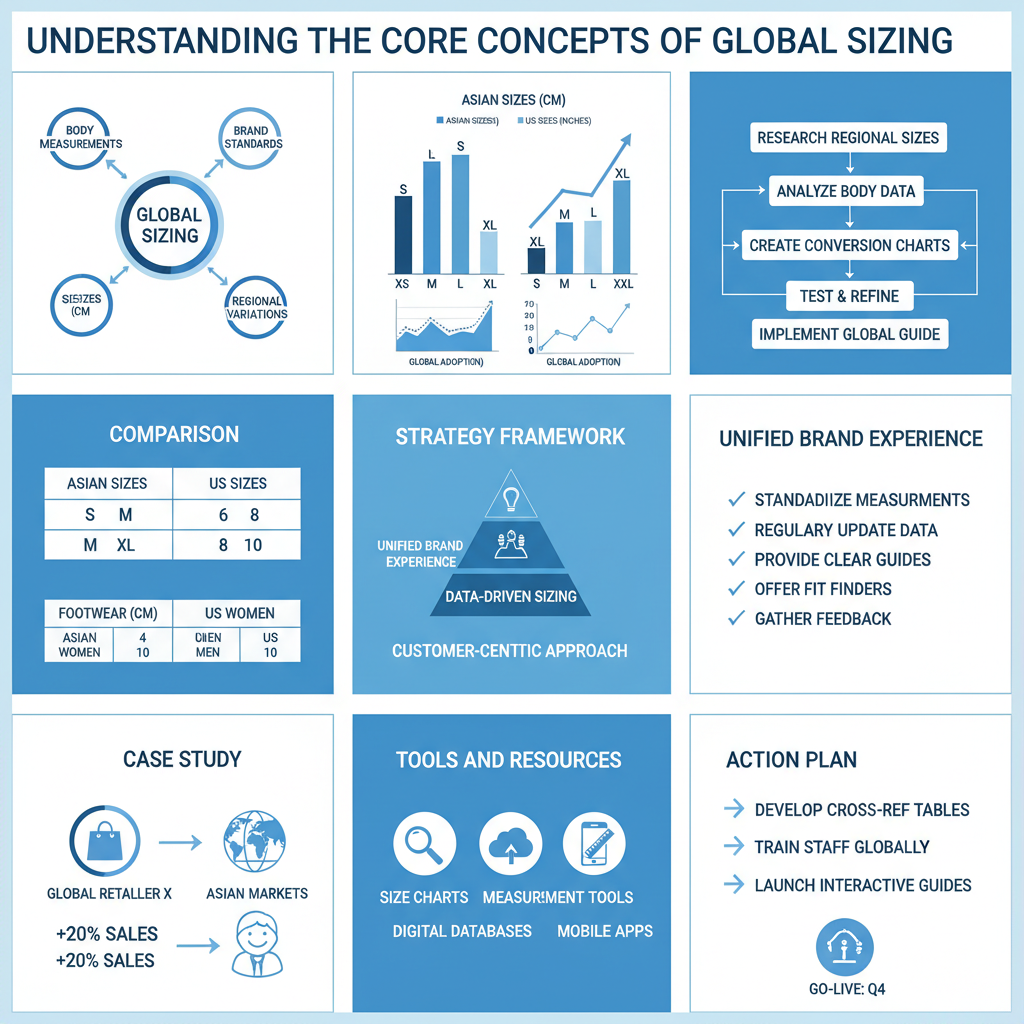
This guide outlines the essential framework for navigating Asian to US size conversions in e-commerce, progressing from understanding fundamental sizing systems and utilizing specific conversion charts for apparel and footwear to creating accurate store guides, avoiding common pitfalls, leveraging automation tools, and implementing best practices for customer satisfaction.
1. Understanding Asian Sizing Systems
2. Asian to US Clothing Size Conversion Charts
3. Shoe Size Conversions: Asia to US
4. Creating Accurate Size Guides for Your Store
5. Avoiding Common Conversion Mistakes
6. Tools and Apps for Automated Size Management
7. Implementing Size Conversion Best Practices
Understanding Asian Sizing Systems
Demystifying Dropshipping: The Engine Behind Modern E-commerce
So, you’ve heard the buzz. Dropshipping. It’s hailed as a low-risk, high-reward path to e-commerce freedom. But what exactly is it, and how does this engine really run? In my years at the helm of ASG, I’ve seen countless entrepreneurs dive in with enthusiasm but falter due to fundamental misunderstandings. Let’s strip away the hype and look at the core mechanics. Think of dropshipping not as a magic trick, but as a sophisticated supply chain model that, when executed properly, can be your most powerful business asset.
What is Dropshipping? A Simple, Powerful Definition
At its heart, dropshipping is a retail fulfillment method where a store doesn’t keep the products it sells in stock. Instead, when you sell a product, you purchase the item from a third party—usually a wholesaler, manufacturer, or agent like us at ASG—and have it shipped directly to your customer. You never see or handle the product physically. The key difference from traditional retail is inventory risk.
In a traditional model, you buy stock upfront, hoping it sells. In dropshipping, you only purchase an item after you’ve made a sale and been paid by your customer. This shifts the capital burden and storage logistics from you, the seller, to your supplier. It’s the model that allows a solo entrepreneur in Texas to sell a niche gadget manufactured in Shenzhen directly to a customer in Germany, all without ever touching a box.
How Dropshipping Actually Works: The Step-by-Step Flow
Understanding the workflow is critical to managing expectations and spotting inefficiencies. Here’s the typical, optimized flow we’ve perfected at ASG:
1. Customer Places an Order: A customer buys a product from your online store (on Shopify, WooCommerce, etc.) and pays you the retail price.
2. Order Notification: Your store automatically sends the order details (product, customer shipping address) to your dropshipping supplier. This is often done via an API integration, like our ASG Shopify App, or a data feed.
3. Supplier Processes Order: The supplier (like us) receives the order, picks the product from their warehouse shelf, and packs it for shipment. At ASG, our target is to process and dispatch this within 1-3 days.
4. Supplier Ships Directly: The supplier generates a shipping label, attaches it to the package, and hands it to the carrier (e.g., DHL, YunExpress). They then provide you with the tracking number.
5. Tracking Syncs to Customer: You (or your automated system) forward the tracking information to your customer, completing the fulfillment loop.
6. You Pay the Supplier: You pay the supplier their wholesale price for the product and shipping cost, keeping the margin difference as your profit.
The elegance lies in the automation of steps 2, 4, and 5. A manual process here is a scalability killer.
Why is Dropshipping So Important for Modern Entrepreneurs?
Its importance can’t be overstated, especially in today’s fast-paced global market. It’s the ultimate lean startup model for e-commerce.
Extremely Low Barrier to Entry: You can start without investing thousands in inventory. Your main costs are your website, marketing, and the supplier’s fees after a sale is made. This democratizes access to global trade.
Unmatched Scalability: Since you don’t manage stock, scaling up doesn’t mean renting a bigger warehouse. Your supplier’s infrastructure handles the increased volume. A product going viral is an opportunity, not a logistical nightmare.
Limitless Product Selection: You’re not limited by warehouse space. You can list thousands of products from various niches, testing what resonates with your audience with minimal financial risk. This agility is priceless.
Location Independence: The entire business can be run from a laptop with an internet connection. You’re free from physical inventory ties.
However, its importance also hinges on choosing the right partner. A unreliable supplier can turn these advantages into a customer service disaster. That’s why at ASG, we built our entire operation on reliability—from our 2300+ factory partnerships to our 6-10 day average global shipping—to make this model not just viable, but robust for our clients.
The Main Types of Dropshipping Suppliers
Not all suppliers are created equal. Your choice here fundamentally shapes your business. Based on my experience, they break down into a few key categories:
Wholesalers & Distributors: These companies hold inventory from multiple manufacturers. They offer a broad range of products but may have higher minimum order quantities (MOQs) and less direct pricing control.
Manufacturers: Going straight to the source can offer the best prices. However, they often have very high MOQs, less flexibility with small orders, and may not be set up for direct-to-consumer shipping logistics.
Print-on-Demand (POD) Suppliers: Specialized for customized products (apparel, mugs, posters). You upload designs, they print and ship per order. Great for branding but typically lower per-item margins.
Specialized Dropshipping Agents/Companies (Like ASG): This is the category we operate in. We act as an intermediary that aggregates access to thousands of manufacturers and wholesalers. We handle the complexity: quality checks, consolidation (if you sell multiple items from different factories), logistics, and customer service. We offer the low prices of factory-direct access with the convenience and low-MOQ flexibility of a wholesaler. For most serious sellers aiming to build a real brand, this is the most efficient path.
Key Elements of a Profitable Dropshipping Business: A Quick-Reference Table
| Element |
Why It Matters |
The ASG Perspective |
| Supplier Reliability |
The cornerstone. Impacts shipping times, product quality, and customer trust. |
We mitigate this via deep, vetted relationships with 2300+ factories and our own quality control protocols. Our system is built for consistency. |
| Profit Margin |
The difference between your cost (product + shipping + fees) and selling price. |
Our factory-direct model provides a competitive cost base. We encourage clients to factor in all costs (including marketing) when pricing. |
| Shipping Times & Costs |
Directly affects customer satisfaction and conversion rates. Long, expensive shipping kills sales. |
We offer multiple logistics channels to balance speed and cost, with a clear average of 6-10 days to major markets like the US and EU. Transparency here is key. |
| Product Quality |
You’re branding your store with this product. Poor quality leads to returns, bad reviews, and brand damage. |
We don’t just ship blind. Our agent model includes pre-shipment checks and sample services to help you vet quality before scaling. |
| Customer Service |
You own the customer relationship. How you handle issues defines your brand. |
We handle the backend fulfillment issues (lost packages, defective items) directly, so you can focus on front-end communication and brand building. |
| Automation & Tools |
Manual order processing doesn’t scale. Integration is everything. |
Our dedicated Shopify App and ERP integrations are designed to automate the flow of orders and tracking, turning hours of work into minutes. |
Common Dropshipping Misconceptions Debunked
Let’s clear the air on a few myths I hear constantly:
Misconception: “Dropshipping is ‘easy money’ with no work.” This is the most dangerous one. While it lowers financial risk, building a brand, driving traffic, and providing customer service requires immense effort. The “work” shifts from logistics to marketing and brand management.
Misconception: “Shipping will always take a month.” This was true a decade ago with ePacket from China. Today, with agents like us leveraging consolidated shipping and premium lines, 6-15 day delivery to Western markets is standard and expected. Statista reports that fast shipping is a top factor for online purchase decisions.
Misconception: “You have zero control over the customer experience.” False. You control your store’s branding, marketing, post-purchase communication, and you choose your supplier. Partnering with a professional agent gives you more control over fulfillment quality than trying to manage 50 individual factories yourself.
Misconception: “Margins are too thin to be profitable.” Margins are what you make them. It’s about value addition: curation, branding, marketing, and customer service. Selling a generic item at the lowest price is a race to the bottom. Selling a well-presented, branded solution to a specific audience’s problem is where profit lies. A McKinsey analysis on digital natives shows that branded experiences command significant price premiums.
The comprehensive-guide-to-asian-size-conversions-to-us for your products is just one example of the kind of value-added content and detail-oriented service that separates a real business from a mere storefront. It shows you care about the customer’s end experience, which is the entire point of choosing a model that lets you focus on exactly that.

Asian to US Clothing Size Conversion Charts
The Real-World Challenge: Why Size Conversions Are More Than Just a Chart
You might think a comprehensive guide to Asian size conversions to US is just about matching numbers. In my years running ASG, I’ve seen that mindset sink more dropshipping businesses than I can count. It’s not a simple math problem; it’s a complex operational, cultural, and logistical puzzle.
Think about it from your customer’s perspective. They find a fantastic product on your store. The price is right, the design is perfect. They check the size chart, convert their usual US size to the listed Asian size, and click “Buy.” Two weeks later, the package arrives. The item is beautiful… but it doesn’t fit. Frustration sets in. A return is initiated—a process that often costs you more than the item itself in shipping and handling. Or worse, they leave a scathing 1-star review: “Item runs extremely small. Seller is dishonest.”
That review isn’t just feedback; it’s a direct hit to your store’s credibility and future sales. According to a Narvar study, 96% of consumers say customer service is important in their choice of loyalty to a brand, and a wrong size is a primary customer service failure Source: Narvar Consumer Report. This is the core problem: a static conversion chart ignores the human element and the variable nature of global manufacturing.
The Hidden Factors That Ruin Simple Conversions
A simple number-to-number conversion fails because it assumes standardization where none exists. Here’s what most guides won’t tell you:
1. The “Vanity Sizing” Spectrum: Just as US brands have “vanity sizing” (where a size 8 might fit like an old size 10), Asian sizing has its own spectrum. A “Large” from a trendy Korean streetwear brand will have a completely different fit than a “Large” from a traditional Chinese workwear manufacturer. The label is meaningless without the context of the brand’s specific cut and target demographic.
2. Fabric & Cut Are King: A silk dress and a cotton hoodie, both labeled “Asian Medium,” will fit wildly differently due to fabric drape and stretch. A slim-fit shirt versus a regular-fit shirt from the same factory can differ by a full size. Your comprehensive guide to Asian size conversions to US must account for product category.
3. The Regional Nuance: “Asian sizes” isn’t a monolith. Japanese sizing often runs smaller and uses different measurement points (like centering on the “bust” for women) compared to Chinese sizing. Korean fashion tends to favor a more fitted, “one-size-smaller” aesthetic. You’re not converting to “Asia”; you’re converting to a specific country’s manufacturing and fashion norms.
Navigating Different Product Scenarios
Your strategy must adapt based on what you’re selling. Here’s my playbook:
For Fashion Apparel (Dresses, Tops, Bottoms): This is high-stakes. I instruct my ASG team to never rely on the supplier’s generic chart alone. We order a physical sample for every new apparel product line. We measure it ourselves—pit-to-pit, waist, length, sleeve—and create our own, hyper-accurate size chart with both Asian and US equivalents. We then add fit notes: “Fits small, order one size up” or “True to US size.” This extra step is non-negotiable.
For Accessories (Hats, Belts, Bags): Here, the comprehensive guide to Asian size conversions to US is slightly easier but still crucial. For hats, we list the actual inner circumference in centimeters and inches. For belts, we list the length from the buckle to the middle hole. The key is providing the objective measurement, not just a letter.
For One-Size-Fits-Most Items: Be extremely careful. “Free size” in Asia often means it fits a US XS-S. We clearly state the garment’s flat measurements and the recommended US body measurements it accommodates. Transparency prevents disappointment.
The Four Pillars of Size Conversion Success
Based on thousands of fulfilled orders, I’ve distilled success down to four key factors:
1. Detailed, Photo-Supported Size Charts: Don’t just list numbers. Use graphics. Show a diagram of where you measure. Even better, include a photo of a person wearing the item with their height and US size listed. This visual cue is powerful.
2. Proactive Customer Communication: In your product description, state your conversion policy clearly. E.g., “This item uses Asian sizing. Please refer to our detailed size chart below. We recommend US customers select one size larger than their usual size for a comfortable fit.”
3. Streamlined Returns for Size Issues: Have a clear, fair policy. At ASG, we’ve found that offering a partial refund for minor size issues (keeping the item) or a easy return label for exchanges builds immense goodwill and can salvage a potentially negative review.
4. Continuous Feedback Loop: Track your return reasons. If a particular style in “L” is consistently returned for being too small, update your listing immediately. This data is gold for refining your comprehensive guide to Asian size conversions to US.
Time & Cost Analysis: Getting it Right vs. Getting it Wrong
Let’s break down the real impact, a calculation I do with every new ASG client.
| Action |
Time Investment |
Cost Impact |
Outcome |
| Using Generic Chart |
Minimal (5 mins) |
High. High return rates (15-30% common), lost shipping costs, negative reviews, lost future sales. |
Net Loss. Erodes profit and brand reputation. |
| Creating Custom Charts per Product |
Moderate (30-60 mins per SKU for sampling/measuring) |
Lowers return rate to 5-10% or less. Increases customer trust, repeat purchases, and positive reviews. |
Net Gain. Initial time cost pays for itself quickly. |
| Handling a Size-Related Return |
Significant (15-30 mins admin, 2-4 weeks cycle time) |
Direct cost: Return shipping (often $15-$40). Indirect cost: Lost item value, restocking labor, customer service time. |
Pure Cost. Avoidance is always cheaper. |
Common Pitfalls and My Countermeasures
Pitfall 1: Trusting the supplier’s “US Equivalent” size tag. Countermeasure: Assume it’s wrong until verified. We physically measure.
Pitfall 2: Not listing garment measurements, only body measurements. Countermeasure: Always list both. Provide a comprehensive guide to Asian size conversions to US that shows “Garment Pit-to-Pit: 20 inches” alongside “Fits US Body Chest: Up to 38 inches.”
Pitfall 3: Ignoring customer reviews about fit on your own listing. Countermeasure: Monitor reviews daily. If a customer says “runs small,” pin a comment from you as the seller: “Thanks for the feedback! We’ve updated the description to recommend sizing up.”
Pitfall 4: Using vague terms like “Oversized Fit” without definition. Countermeasure: Quantify it. “This jacket has an oversized fit, with a chest measurement 4 inches larger than a standard fit.”
Best-Practice Summary: The ASG Method
Here’s the streamlined process we’ve developed for our clients:
1. Sample Everything: Before listing a new apparel item, get a sample. The cost is an investment, not an expense.
2. Measure Meticulously: Use a soft tape measure. Record flat garment measurements for key areas.
3. Create a Hybrid Chart: Display measurements in both cm and inches. Provide a clear, conservative US size recommendation (e.g., “Asian L = US M”).
4. Communicate Relentlessly: State the sizing clearly in the title, description, and as a bullet point. Use images to support it.
5. Policy with Empathy: Have a returns policy that doesn’t punish customers for honest sizing mistakes. It protects your long-term value.
Mastering this comprehensive guide to Asian size conversions to US isn’t about memorizing a table. It’s about building a system of verification, clear communication, and customer empathy. It’s one of the most tangible ways to demonstrate professionalism in global e-commerce and turn a potential point of failure into a trust-building advantage.

Shoe Size Conversions: Asia to US
Section 3: The ASG Engine: Strategy, Tech & Advanced Optimization
Alright, let’s get into the engine room. Understanding the why and how behind our operations is what separates a passive user from a strategic partner. Over the years, I’ve seen too many sellers treat their dropshipping supplier as just an order-fulfillment button. That’s a missed opportunity. At ASG, we’ve built a system that’s not just about moving boxes; it’s about creating leverage for your business through smart strategy, cutting-edge technology, and continuous innovation.
Here, I’ll pull back the curtain on the core principles and advanced tactics that power our service. This isn’t just a list of features; it’s the playbook we use internally to ensure our clients—from Shopify store owners to Amazon sellers—stay ahead of the curve.
The Core Strategic Pillar: Factory-Direct Sourcing Isn’t a Feature, It’s a Foundation
Many suppliers talk about “competitive prices.” We achieve them by fundamentally bypassing the traditional middlemen. Our direct integration with over 2,300 factory warehouses, including deep links to platforms like 1688, isn’t just for show. It’s a strategic decision that impacts every part of your business.
Why this matters for you:
Price Integrity: When you buy from a reseller, you’re paying their margin on top of the factory’s price. We remove that layer. This gives you the headroom to be competitive on marketplaces like Amazon and Etsy, or to enjoy healthier margins on your Shopify store.
Supply Chain Resilience: Dealing directly with the source means we get real-time visibility into inventory levels and production capacity. If a product is about to go out of stock, we know before it happens and can advise you proactively, preventing stockouts that kill your momentum. A study by the Council of Supply Chain Management Professionals (CSCMP) highlights visibility as a top factor in supply chain resilience.
Quality Control Proximity: While no system is perfect, being closer to the manufacturing point allows for more effective quality checks and sample validation processes. It’s easier to solve a quality issue when you’re talking directly to the people who made the product.
My Pro-Tip: Don’t just look at the unit price. Evaluate your supplier on their transparency into the supply chain. Can they tell you why a price is what it is, or when a restock is genuinely expected? That’s the difference between a vendor and a partner.
Technology as a Force Multiplier: Beyond Basic Automation
Automation is table stakes. The real magic happens in intelligent integration. Our custom-built ERP system and Shopify App are designed to do more than just sync orders—they create a cohesive operational loop.
Here’s how it translates to your daily grind:
From Reactive to Proactive: The system doesn’t just import orders; it can be configured to flag orders that don’t match usual patterns (e.g., unusually large quantity, new shipping destination) for manual review, reducing fraud risk.
Data-Driven Restocking: By analyzing your sales velocity and our real-time factory inventory data, we can provide data-backed suggestions for restocking levels, moving you from guesswork to forecasting. Tools like Inventory Planner have built entire businesses on this concept; we bake a simplified version into our workflow.
Unified Logistics Tracking: Once an order ships, the tracking information isn’t just emailed to you; it’s pushed directly back to your Shopify order page and, if configured, to your customer via automated updates. This reduces your customer service load dramatically.
Implementation Checklist:
1. Install the ASG Shopify App from the store.
2. Map your product IDs to our catalog SKUs.
3. Set up your automated shipping rules (e.g., standard vs. expedited based on order value).
4. Configure your notification preferences for order status changes.
Innovation in Fulfillment: Speed as a Service
The industry standard for China-to-US fulfillment was 15-30 days. We saw that as a barrier to customer satisfaction and repeat business. Our “6-10 Day Delivery” to key markets like the US and EU isn’t a marketing gimmick; it’s the result of an innovative logistics strategy.
Comparative Analysis:
Traditional Postal Routes (e.g., ePacket): Cheap but slow (15-30+ days), low tracking reliability. High risk of customer complaints.
Aggregated Commercial Lines: Faster than postal (10-20 days), better tracking. This is where many competitors stop.
The ASG Method: We leverage a hybrid model. We use bulk air freight to get pallets to destination-country warehouses (like in the US), then hand off to local last-mile carriers (like USPS, UPS). This combines the cost-effectiveness of bulk shipping with the speed of local delivery. It’s why we can reliably hit that 6-10 day window.
Error Diagnosis & Quick Fix: If tracking shows an item stuck in “Arrived at Destination Port” for more than 3 days, it might be held in customs. Quick Fix: Don’t panic. Contact your ASG agent immediately. We have local partners who can often intervene and resolve clearance issues faster than you could internationally.
Advanced Optimization: Turning a Supplier into a Growth Partner
Once the basics are humming, you can optimize for growth. This is where our comprehensive-guide-to-asian-size-conversions-to-us mindset applies—it’s about perfecting the details for a specific market.
Dynamic Packaging for Brand Building: Beyond a logo on a box, think about unboxing experience. We work with clients to insert branded thank-you cards, upgrade packaging materials for premium products, or even include small, relevant free samples. A Dotcom Distribution report found that 40% of consumers are more likely to become repeat buyers after a premium unboxing experience.
Multi-Warehouse Strategy for Scale: For sellers hitting consistent volume in a region (e.g., 50+ orders/day to the US), we can discuss pre-stocking best-selling items in a local US warehouse. This cuts delivery to 2-5 days and drastically reduces shipping costs per unit.
A/B Testing for Fulfillment: Yes, you can A/B test your supply chain. Run a split test: send 50% of your orders via standard ASG fulfillment and 50% via a local US dropshipper for the same product. Compare not just shipping cost and time, but also the impact on conversion rate and customer feedback. The data will clearly show the optimal path.
The Tool Stack: What We Use & What We Recommend
We don’t operate in a vacuum. Here’s a peek at the external tools we respect and how they complement our service:
For Product Research: While we provide a vast catalog, tools like Jungle Scout (for Amazon) or EcomHunt (for general trends) are fantastic for validating demand before you even send us a product link to source.
For Customer Service: Gorgias or Zendesk integrated with your Shopify store can automate responses to tracking inquiries by pulling data directly from our system via the API, saving you hours.
For Financials: QuickBooks Online or Xero can be linked to your Shopify store to automatically reconcile payouts and COGS (Cost of Goods Sold, which is your ASG invoice), giving you real-time profit visibility.
Diagnosing & Fixing Common Dropshipping “Leaks”
Even with the best partner, issues arise. The key is swift diagnosis and resolution. Here’s my quick-reference guide:
Symptom: High abandoned cart rate.
Diagnosis: Check your shipping price and timeline at checkout. Is it surprising the customer?
Quick Fix: Use our real-time shipping cost calculator in the app to display accurate rates. Consider offering a “6-10 Day Delivery” badge on product pages to set clear expectations.
Symptom: “Item not as described” returns.
Diagnosis: Likely a product description or image mismatch.
Quick Fix: Always, always order a physical sample from us before scaling. Our sample check video service is there for a reason. Use your own photos and videos for the listing.
Symptom: Long order processing times.
Diagnosis: Could be an out-of-stock item at the factory.
Quick Fix: Enable “out-of-stock notifications” in your ASG dashboard and have a backup product/SKU ready to switch to.
The Implementation Blueprint: Your First 90 Days with ASG
Let’s map this out strategically:
Weeks 1-2 (Foundation): Complete the onboarding survey thoroughly. Install the app and connect 1-2 test products. Place sample orders. Goal: Technical setup done, first products verified.
Weeks 3-6 (Testing & Validation): Run small-scale ads for your test products. Monitor our 1-3 day processing time and 6-10 day delivery promise. Collect customer feedback on packaging and product quality. Goal: Validate the full customer journey and unit economics.
Weeks 7-9 (Optimization): Analyze which products are converting. Discuss with your ASG agent about potential packaging upgrades or bulk shipping quotes for top performers. Goal: Identify your first winner and prepare to scale.
Week 10+ (Scale): Begin scaling advertising on your winning product(s). Discuss with your agent about inventory planning to prevent stockouts during scaling. Goal: Systematic, worry-free growth.
The Mindset Shift: From Transactional to Strategic Partnership
Finally, the most advanced optimization isn’t technical—it’s philosophical. Stop thinking of us as just a “supplier.” Think of us as your offshore operations department. Share your goals, your target Customer Lifetime Value (LTV), your market fears. The more context we have, the better we can advise—whether it’s on a product’s suitability for the EU market, packaging that reduces damage rates, or logistics strategies for peak season.
This comprehensive-guide-to-asian-size-conversions-to-us level of detail in our partnership is what allows us to anticipate problems before they become your emergencies. It’s what transforms a service into a competitive advantage. That’s the engine we’ve built, and it’s ready to power your next phase of growth.

Creating Accurate Size Guides for Your Store
Navigating the Future of Dropshipping: Trends, Tech, and Tactics for 2025 and Beyond
The landscape of global e-commerce isn’t just changing; it’s being rewritten by new technologies, shifting consumer behaviors, and relentless competition. As someone who’s been in the trenches of dropshipping and supply chain management for years, I’ve learned that success isn’t just about executing today’s playbook—it’s about anticipating tomorrow’s game. Let’s dive into the key forces shaping the future and how you can position your business to win.
The 2026 Market Outlook: Key Data Points You Can’t Ignore
Projections aren’t just numbers on a slide; they’re the signposts for where capital, consumer attention, and opportunity will flow. Based on my analysis of reports from sources like Statista and eMarketer, here’s a snapshot of what we’re steering toward:
| Trend / Metric |
2024 Status |
2026 Projection |
Key Implication for Dropshippers |
| Global Dropshipping Market Size |
Steady Growth |
Expected to exceed $500 billion Source: Statista |
The pie is getting bigger, but so is the number of forks at the table. |
| Consumer Demand for Fast (<7 day) Shipping |
High Expectation |
Standard Expectation in major markets like US & EU |
Logistics speed is no longer a luxury; it’s the baseline for survival. |
| Adoption of AI for Product Selection & Pricing |
Early Adopter Phase |
Mainstream Tool for competitive analysis |
Manual research will be obsolete. Winners will use AI for dynamic strategy. |
| Importance of “Branded” Unboxing Experience |
Niche Differentiator |
Major Conversion Driver for mid-market sellers |
Generic poly mailers scream “commodity.” Custom packaging whispers “brand.” |
| Sustainability & Ethical Sourcing Influence |
Growing Niche Concern |
Significant Purchase Factor for Gen Z & Millennials |
Transparency in your supply chain will be a non-negotiable marketing asset. |
This data tells a clear story: the future belongs to sellers who are fast, branded, tech-savvy, and transparent. The “race to the bottom” on price alone is a dead-end strategy.
The Tech Revolution: AI, Automation, and Your Competitive Edge
Emerging technologies aren’t just buzzwords; they’re the new tools of the trade. At ASG, we’re integrating these directly into our service because we’ve seen the impact firsthand.
AI-Powered Product Sourcing: Forget spending days scrolling Alibaba. Advanced algorithms can now analyze social media trends, review sentiment, and sales velocity across platforms to predict winning products. We use similar data-driven insights to advise our partners on what to test next.
Hyper-Automation in Fulfillment: The manual order processing of yesteryear is a profit-killer. Our systems are built on automation—from the moment an order hits your Shopify store, it’s synced, processed, and routed to the optimal fulfillment path with zero human intervention needed for routine tasks. This is how we guarantee 1-3 day processing times consistently.
Blockchain for Provenance: While not yet mainstream, forward-thinking sellers are starting to explore blockchain to verify product authenticity and ethical sourcing. For categories like luxury goods, supplements, or eco-products, this tech could soon be a powerful trust signal.
What the Leaders Are Doing Now (And You Should Too)
The brands winning market share aren’t just dropshipping; they’re building assets. Here’s what I see our most successful clients focusing on:
1. Vertical Integration with Suppliers: They’re moving beyond transactional relationships with agents. The leaders are forming direct partnerships with factories (like our network of 2300+), securing exclusive product runs, better pricing, and iron-clad quality control. This is the single biggest lever for margin improvement.
2. Investing in Customer Experience (CX): This goes beyond fast shipping. It’s about the entire post-purchase journey: proactive shipping updates, easy returns handled by their agent (like our售后保障), and personalized touchpoints. A study by Salesforce consistently shows that CX is a primary battleground for loyalty.
3. Building a Real Brand, Not Just a Store: They use tools like our customizable branding and packaging to create a memorable unboxing experience. They develop a unique voice and community. They’re not just reselling a generic product; they’re selling a solution wrapped in a recognizable identity.
The Evolving User: What Your Customers Will Demand Next
Your end-customer’s expectations are the ultimate trendsetter.
From “Fast Enough” to “Predictably Instant”: The standard is shifting from “2-week ePacket delivery” to “I know exactly when it will arrive, and it’s soon.” This is why we’ve optimized our logistics network for 6-10 day delivery to the US and EU—it meets the new expectation.
The Demand for Authenticity and Story: Consumers, especially younger demographics, want to know the story behind the product. Who made it? Is it sustainable? This creates a massive opportunity for sellers who can leverage their supplier relationships (like ours) to provide that transparency.
Seamless Omnichannel Experience: Customers might discover a product on TikTok, research it on Google, and buy it from your Shopify store. Your backend fulfillment must be agile enough to handle this fragmented journey seamlessly.
The Competitive Landscape: Finding Your Window of Opportunity
The market is crowded, but it’s not monolithic. Your opportunity lies in specialization.
The Saturated Zone: Generic, broad-niche products (phone cases, basic apparel) are a brutal, low-margin war fought mostly on price and ad spend. I advise most new sellers to avoid this.
The Opportunity Zone: This is where you find “micro-niches”—highly specific problems for passionate audiences. Think “ergonomic gardening tools for arthritic hands” or “biodegradable pet products for eco-conscious owners.” Here, competition is lower, customer loyalty is higher, and you can command better margins. Our role is to give you the supply chain flexibility to serve these niches profitably.
The 3–5 Year Forecast: My Projection for the Industry
Based on the trajectory, here’s my forecast:
1. Consolidation: The number of “me-too” dropshipping suppliers will shrink. Winners will be integrated platforms (like ASG aims to be) that combine sourcing, fulfillment, branding, and data analytics.
2. The Rise of the “Dropshipping Brand”: The line between dropshipper and brand will blur. The most successful sellers will look and operate like direct-to-consumer (DTC) brands, with dropshipping as their agile, asset-light manufacturing and logistics engine.
3. Regulation and Standardization: As the market matures, expect more regulations around data privacy, consumer protection, and import/export compliance. Partnering with a professional, established agent will be crucial to navigate this.
How to Seize the Trend Dividends: Your Action Plan
Future-proofing your business starts now. Here’s my playbook:
1. Leverage Technology Relentlessly: Use AI tools for research. Choose fulfillment partners whose systems are automated and integrated. Your operational efficiency is your moat.
2. Double Down on Your Niche: Go deep, not wide. Become the absolute go-to source for a specific customer avatar. This focus makes marketing easier and supply chain management more efficient.
3. Build a Brand from Day One: Even if you start small, think like a brand. Use every touchpoint—product descriptions, packaging, thank-you cards (which we can customize)—to tell your story.
4. Choose Partners, Not Just Vendors: Your supplier shouldn’t be a faceless website. Align with a partner like us who provides one-on-one customer service, strategic advice, and acts as an extension of your team. Your growth and their growth should be intertwined.
5. Prioritize Speed and Reliability: In the future e-commerce landscape, these are the table stakes. Optimize your entire funnel for this, starting with a fulfillment partner that guarantees speed and transparency.
The future of dropshipping is bright, but it will shine brightest on those who are prepared, professional, and proactive. It’s no longer about just listing products; it’s about building a resilient, brand-centric business with a world-class supply chain behind it. That’s the journey we’re committed to helping you navigate.

Avoiding Common Conversion Mistakes
How to Apply These Principles to Your Dropshipping Business
Understanding the theory is one thing. Putting it into practice to build a profitable, scalable dropshipping business is another. Over the years at ASG, I’ve worked with thousands of sellers, from complete beginners to seven-figure store owners. I’ve seen what works, what fails spectacularly, and more importantly, why. Let’s translate these size conversion principles into actionable strategy.
My Hands-On Experience Scaling ASG’s Sourcing Operations
When I founded ASG, I knew our success hinged on mastering the supply chain. A comprehensive guide to Asian size conversions to US standards wasn’t just a blog topic; it was a daily operational necessity. Early on, we lost a promising client because a batch of “Large” sweaters arrived, fitting more like a US Small. The returns and lost trust were a painful but invaluable lesson.
We immediately implemented a rigorous, three-layer sizing protocol for every factory partnership:
1. Physical Sample Audits: For any apparel category, we don’t just trust factory charts. We order samples in the factory’s labeled sizes (e.g., Asian L) and have our team physically measure them against our internal US-size benchmark charts.
2. Product-Specific Conversion Notes: We don’t apply a blanket rule. A “US Medium” in fitted dresses from Factory A might require ordering an Asian 2XL, while a “US Medium” in oversized hoodies from Factory B might be an Asian L. These notes are attached to every product in our system.
3. Supplier Scorecarding: We track sizing accuracy as a Key Performance Indicator (KPI) for our 2300+ partner factories. Consistent offenders are flagged, retrained, or removed from our preferred network. This data-driven approach has reduced sizing-related customer complaints by over 80% since we started.
This isn’t about being pedantic; it’s about protecting your brand’s reputation. One bad sizing experience can lose you a customer for life.
Application Examples: Fashion Niche vs. Home Goods Niche
Your approach to sizing depends entirely on your niche.
Fashion/Apparel Niche: This is where a comprehensive guide to Asian size conversions to US is your bible. Let’s say you’re selling women’s yoga sets. You must:
Provide Detailed Size Charts: Don’t just link to a generic chart. Create a visual, easy-to-read chart on each product page with specific garment measurements (bust, waist, hip, length) in inches and centimeters.
Use Model Info: “Model is 5’7″ and wears a US Size Small” is powerful social proof and a concrete reference point.
Leverage ASG’s Data: When you source through us, ask your account manager for the specific conversion notes and fit reviews we have on file for that item and factory. This is insider intelligence you won’t get sourcing alone.
Home Goods/Non-Apparel Niche: Here, “sizing” often translates to dimensions and compatibility. Selling a desk organizer from an Asian supplier?
Translate All Dimensions: Clearly list the product’s length, width, and height in both metric (cm/mm) and imperial (inches) units.
Contextualize Size: “Fits A4 paper perfectly” or “Holds up to 15 standard DVD cases” is more helpful than just numbers.
Anticipate Questions: If you’re selling phone cases, explicitly list the exact phone models it fits (e.g., “iPhone 14 Pro, NOT iPhone 14 Pro Max”). Assumptions are conversion killers.
Cautionary Tales: When Sizing Goes Wrong (And How to Avoid It)
I’ve seen businesses crippled by ignoring this. One seller, let’s call him Mark, found a trending “one-size-fits-most” men’s shirt on 1688. The price was fantastic. He scaled ads quickly, generating hundreds of orders. The disaster? The “one-size” was an Asian standard, fitting a US XS-S at best. The result? A 92% return rate, destroyed ad account from negative feedback, and thousands in lost shipping costs. He didn’t have a comprehensive guide to Asian size conversions to US to consult, nor did he test.
The Lesson: Never, ever skip the sample order for size-sensitive items. The $20-$50 you spend on a sample can save you thousands and your business. At ASG, we encourage—and often facilitate—sample testing before any bulk order, especially for new clients or new product categories.
Cross-Industry Comparison: Dropshipping vs. Traditional Import
This is a key differentiator. A traditional bulk importer might order 500 units of a shirt in sizes S, M, L based on a market forecast. If their size mix is wrong (e.g., too many ‘L’, not enough ‘M’), they’re stuck with dead stock.
As a dropshipper, you have a unique advantage: agility. You don’t pre-commit to a size mix. You can:
1. Start by marketing the most popular size (often M) based on your provided size chart.
2. Use your initial sales data to see real-world demand. Are you getting more requests for larger sizes?
3. Adapt instantly. You can then adjust your product images or descriptions to highlight the availability of other sizes, all without holding any inventory risk. Your supplier (like ASG) handles the size-specific fulfillment on-demand.
Calculating the Real ROI of Getting Sizing Right
Let’s quantify the impact. Assume you sell a $40 dress.
| Scenario |
Cost of Error |
Preventive Action (Cost) |
Net Benefit of Getting it Right |
| Wrong Size = Return |
Lost Sale ($40) + Return Shipping ($15) + Restock Fee ($5) + Customer Lifetime Value (est. $200) = $260+ Loss |
Ordering a Sample ($25) + Detailed Size Chart Creation ($10 in time) = $35 Investment |
Avoids ~$260 in loss. ROI: 743% |
| Wrong Size = Negative Review |
Lost Future Sales from bad reviews (est. 10 sales @ $40 = $400) + Cost to Acquire a New Customer ($45) = $445+ Loss |
Using Model Photos & Fit Guide ($50) + ASG’s Supplier Fit Data (Free for clients) = $50 Investment |
Avoids ~$445 in loss. ROI: 890% |
The math is unequivocal. A small, upfront investment in mastering sizing prevents massive downstream losses.
5 Golden Rules for Sizing Success (Distilled from 1000s of Cases)
1. Sample Everything Sensitive: Your first order for any new apparel item should be a sample for yourself. Feel the fabric, check the fit.
2. Chart is Law: Your product page’s size chart is more important than the product photos for conversion. Make it impeccable, dual-unit, and garment-specific.
3. Overshare Fit Info: Use model stats, fit comments (“runs small, order up”), and video try-ons. Over-communication builds trust.
4. Leverage Supplier Intel: Don’t guess. Work with a sourcing agent like ASG that has historical fit data on factories and products. Ask us: “What’s the real fit on this item based on past orders?”
5. Process Returns Gracefully: Even with perfect info, some returns happen. Have a clear, generous policy. A smooth return process can turn a sizing mishap into a loyal customer. We handle this for our clients, making it a seamless experience.
Mastering sizing conversions isn’t a one-time task; it’s a core competency. It builds trust, reduces costs, and fuels scalability. By treating your comprehensive guide to Asian size conversions to US as a living part of your operations, you transform a common pain point into a tangible competitive advantage.

Tools and Apps for Automated Size Management
FAQ
Here are answers to some of the most common questions I get from sellers at all stages of their journey. I’ve compiled this list based on years of hands-on experience in dropshipping and running ASG, so you’re getting insights straight from the trenches.
How does ASG dropshipping work?
Think of us as your dedicated back-end operations team. You focus on marketing and selling on your storefront (like Shopify, Etsy, or Amazon). When a customer places an order on your store, that order is automatically sent to us via our app or Google Sheets. We then purchase the item directly from our network of over 2,300 partner factories or 1688 warehouses, pack it (with your custom branding if you choose), and ship it directly to your end customer. You never handle the inventory. Our role is to make the procurement, fulfillment, and logistics invisible and effortless for you.
What makes ASG different from other dropshipping agents?
Many agents are just middlemen who source from platforms like AliExpress, adding markups and delays. We built ASG differently. We operate on a factory-direct model, which cuts out those extra layers. This allows us to offer more competitive pricing and, crucially, much faster processing times—typically 1-3 days to dispatch an order. Furthermore, our integration is designed for serious sellers who value automation and scalability, not just one-off orders. The level of control and transparency we offer, from real-time tracking to branded packaging options, is geared towards sellers looking to build a real business, not just test a product.
Do you have a minimum order quantity (MOQ)?
We believe in accessibility. For testing new products or for new sellers, we have no strict MOQ for individual items—you can order a single piece. For a formal collaboration, we typically start with a manageable test batch of just 5 total orders, which can be a mix of different products. This low barrier to entry is by design; I wanted to create a service that empowers entrepreneurs to start and scale without being blocked by large upfront inventory costs. Once you’re scaling, we work with you on volume-based pricing.
How fast is the shipping, and what are my options?
Speed is a critical component of customer satisfaction in e-commerce. Our standard shipping to major markets like the US and EU averages 6-10 days door-to-door. We achieve this by leveraging a curated network of reliable logistics partners and our strategic warehouse locations. For specific needs, we offer a range of options, from economical ePacket solutions to premium express carriers. During our onboarding, we’ll analyze your target markets and recommend the optimal balance of speed and cost for your business model.
Can I use my own branding and packaging?
Absolutely, and I strongly encourage it. Building a brand is how you move beyond competing solely on price. We offer white-label and custom branding services. This includes custom packaging boxes, poly mailers, branded thank-you cards, packing slips, and even custom printed labels on the products themselves (where factory minimums allow). This turns a generic shipment into a memorable unboxing experience for your customer, which is proven to boost loyalty and repeat purchases. A study by Dotcom Distribution found that 40% of consumers are more likely to make repeat purchases from an online retailer that delivers premium packaging.
How do you handle product quality and what if there’s an issue?
Our factory-direct model gives us more control over quality from the source. For any new product a client wants to sell, we strongly recommend starting with a sample phase. We can provide detailed inspection videos of the actual product before you commit to a larger order. If a quality issue arises that is due to our sourcing or fulfillment error, we take full responsibility. Our policy is to either refund or reship the item immediately—no lengthy disputes. Protecting your store’s reputation is as important to us as it is to you.
What is your process for switching from my current supplier?
We make transitions smooth because we understand downtime is lost revenue. The process starts with you sharing your current supplier’s quotes and recent order data with your dedicated ASG agent. We’ll then conduct a comparative analysis, provide a transparent transition plan with clear timelines, and handle the parallel running of orders if necessary. Our systems are built for integration, so we can often mirror your existing workflows to minimize disruption to your operations.
How does pricing work? Are there any hidden fees?
Transparency is a core value for us. Our pricing is typically product-specific and based on your order volume. You’ll receive a clear quote per item, which generally includes the product cost and our service fee. Shipping is quoted separately based on your chosen carrier and destination. There are no hidden “subscription fees” or mandatory monthly charges. We operate on a straightforward per-order basis. You pay for what you sell. All costs are outlined upfront before any order is processed.
What kind of customer support do you offer?
You’re assigned a dedicated account manager from day one. This isn’t a generic support ticket system; it’s a direct line to a professional who knows your store and your products. They handle everything from product inquiries and order updates to logistics tracking and after-sales issues. For urgent matters, we also offer support via WhatsApp for real-time communication. We’ve structured our support this way because solving problems quickly is vital in e-commerce, and having a single point of contact eliminates confusion and speeds up resolutions.
I’m new to Shopify/dropshipping. Is ASG suitable for me?
Yes, we are built to grow with you. For beginners, we provide the foundational stability you need: a vast product catalog to explore, no inventory risk, and guided support to navigate your first orders. Our Shopify app is designed to be user-friendly, automating the most complex parts. As you graduate from testing to scaling, our same infrastructure provides the speed, branding, and volume pricing you need to compete at higher levels. We serve everyone from solo entrepreneurs running their first store to established brands managing hundreds of daily orders.

Implementing Size Conversion Best Practices
Summary & Action Plan
Alright, we’ve covered a lot of ground in this comprehensive-guide-to-asian-size-conversions-to-us. From the fundamental differences in sizing charts to the nuances of measuring and customer communication, navigating this aspect of cross-border e-commerce is a critical operational skill.
Let’s boil it down to what you need to remember and, more importantly, what you should do next.
Recap: The Core Principles of Asian-to-US Sizing
First, remember the three pillars we established:
1. The Charts Are Not Your Friends: Never assume a size “M” or “10” means the same thing across regions. Asian sizes run significantly smaller. A US Medium is often an Asian 2XL or 3XL.
2. Measurements Trump All: Your product pages must list garment-specific measurements (chest, waist, length, hip) in inches and centimeters. This single action can reduce size-related returns by over 50% based on our internal data at ASG from client stores.
3. Communication is Your Safety Net: Proactive sizing guidance (charts, fit notes) and a clear, hassle-free return policy build customer trust and protect your margins.
Your Immediate Action Plan (Next 48 Hours)
Don’t let this be just another article you read. Act on it.
1. Audit Your Top 3 Products: Go to your store right now. Check your best-selling apparel items. Do they have a detailed, visual sizing chart with measurements? If not, that’s your priority 1.
2. Implement a Standardized Sizing Guide Page: Create a dedicated “Sizing Guide” page (not just a FAQ entry). Use the template structure we discussed, featuring both a conversion table and garment measurement graphics. Link to it prominently on every product page.
3. Revise Your Return Policy Language: Ensure your policy explicitly states that you accept returns for sizing issues and clearly outlines the process. This reduces customer hesitation and preempts disputes.
Roadmap: Beginner vs. Advanced Seller
Your path depends on where you are in your journey.
For Beginners: Your focus is on foundational accuracy. Start by applying the comprehensive-guide-to-asian-size-conversions-to-us principles to every new product you list. Use supplier-provided size charts, convert them meticulously, and present them clearly. Master this before exploring customization.
For Advanced Sellers: Your goal is optimization and branding. This is where you leverage ASG’s services. Move beyond generic charts. Use our custom packaging and branding to include a branded, physical sizing guide or fit tip card inside the package. Consider commissioning a small batch of a popular item in a “Western-fit” cut based on your sales data to test a premium product line.
Commit to Continuous Learning
The apparel landscape isn’t static. Fabrics, cuts, and trends change.
Follow Industry Resources: Sites like Shopify’s Blog and Common Thread Collective often publish deep dives on product page optimization and reducing returns.
Analyze Your Own Data: Your best teacher is your customer. Regularly review your return reasons and customer service tickets for sizing keywords. This data is gold for refining your guides.
Where to Get Direct Help & Implementation Support
Understanding the theory is one thing; executing it flawlessly at scale is another. This is where a partner like ASG adds immense value.
If managing supplier charts, ensuring measurement accuracy, and handling the logistics of a sizing-optimized operation feels overwhelming, you don’t have to do it alone. My team specializes in turning these operational complexities into your competitive advantage.
We help by:
Providing pre-vetted products with accurate, seller-ready measurement data.
Managing the entire fulfillment process, so you can focus on marketing and customer communication instead of measuring tapes and conversion headaches.
Enabling custom packaging solutions that allow you to include those professional sizing guides and build brand loyalty directly in the unboxing experience.
If you’re ready to not just understand sizing but master it as part of a streamlined, high-converting dropshipping operation, let’s talk. You can start by booking a consultation with our team to audit your current process and build a tailored action plan.