 Which fulfillment model is right for your revenue stage? CJ for under $20K/month, private agent above $20K/month.
A dedicated private agent team — not a shared platform pool — is what changes your fulfillment economics at scale.
Most sellers ask the wrong question. It’s not “which one is better” — it’s “which one is right for where my business is right now.”
I’ve processed 5M+ orders across 2,300+ factories over 8 years. The pattern I see constantly: sellers either stay on CJ too long and bleed margin at scale, or they jump to a private agent too early and pay for infrastructure they can’t fully use. Both mistakes cost real money. This guide gives you the exact framework to make the right call — with specific revenue numbers, not vague advice.
Key Takeaways
- Under $20K/month: CJ wins — the catalog access and zero barrier outweigh the limitations at this volume.
- $20K–$50K/month: Flip the ratio. 70–80% of your orders should move through a private agent. Keep CJ as your R&D lab for new SKU testing.
- $50K+/month: CJ’s platform model starts costing you real money. Spot-check QC, reactive stock management, and platform-wide pricing compound at scale.
- The hidden CJ cost most sellers miss: Processing fees of $0.60–$5.00/item. At 200 orders/day averaging $1.50, that’s $9,000/month in handling before a single shipping dollar.
- The test that tells you everything: 50-piece order to any private agent. If QC photos covering all inspection stages aren’t in your inbox within 72 hours — walk away.
- One thing CJ structurally can’t give you: A dedicated person monitoring your inventory, flagging supply risks 5–7 days early, and answering your WhatsApp in under 20 minutes.
The short answer: CJ Dropshipping is a marketplace platform suited for sellers under $20K/month — zero MOQ, 1.4M+ catalog, no setup cost. A private dropshipping agent wins above $20K/month — 0.3% defect rate, typically 5–8 day global shipping, dedicated QC on every single order, and 12–18% lower COGS through direct factory sourcing. The decision point for most Shopify sellers falls between $20K–$50K/month revenue.
1. CJ Dropshipping vs Private Agent: The Core Difference Most Sellers Miss
CJ Dropshipping is a marketplace platform — you share a supplier pool with tens of thousands of sellers, receive spot-check QC, and pay platform-wide pricing with no negotiation leverage. A private dropshipping agent works exclusively for your store: one dedicated account manager, 100% QC inspection with photo documentation on every order, and direct factory access across thousands of verified manufacturers. The structural difference between these two models determines your pricing power, your quality floor, and whether your supply chain can actually grow with your business.
Here’s the misconception I run into constantly. Sellers assume CJ is “their agent” because CJ assigns them a contact person. It’s not. That contact manages dozens of accounts simultaneously. They’re not monitoring your inventory levels, flagging supply risks before they hit your orders, or negotiating pricing on your behalf with any real leverage. They’re processing tickets.
A true dedicated dropshipping agent operates differently at the structural level. According to Shopify’s official dropshipping guide, a dedicated agent acts as your direct representative to the supply chain — not a shared resource across thousands of stores. That distinction matters enormously once your order volume starts generating meaningful revenue.
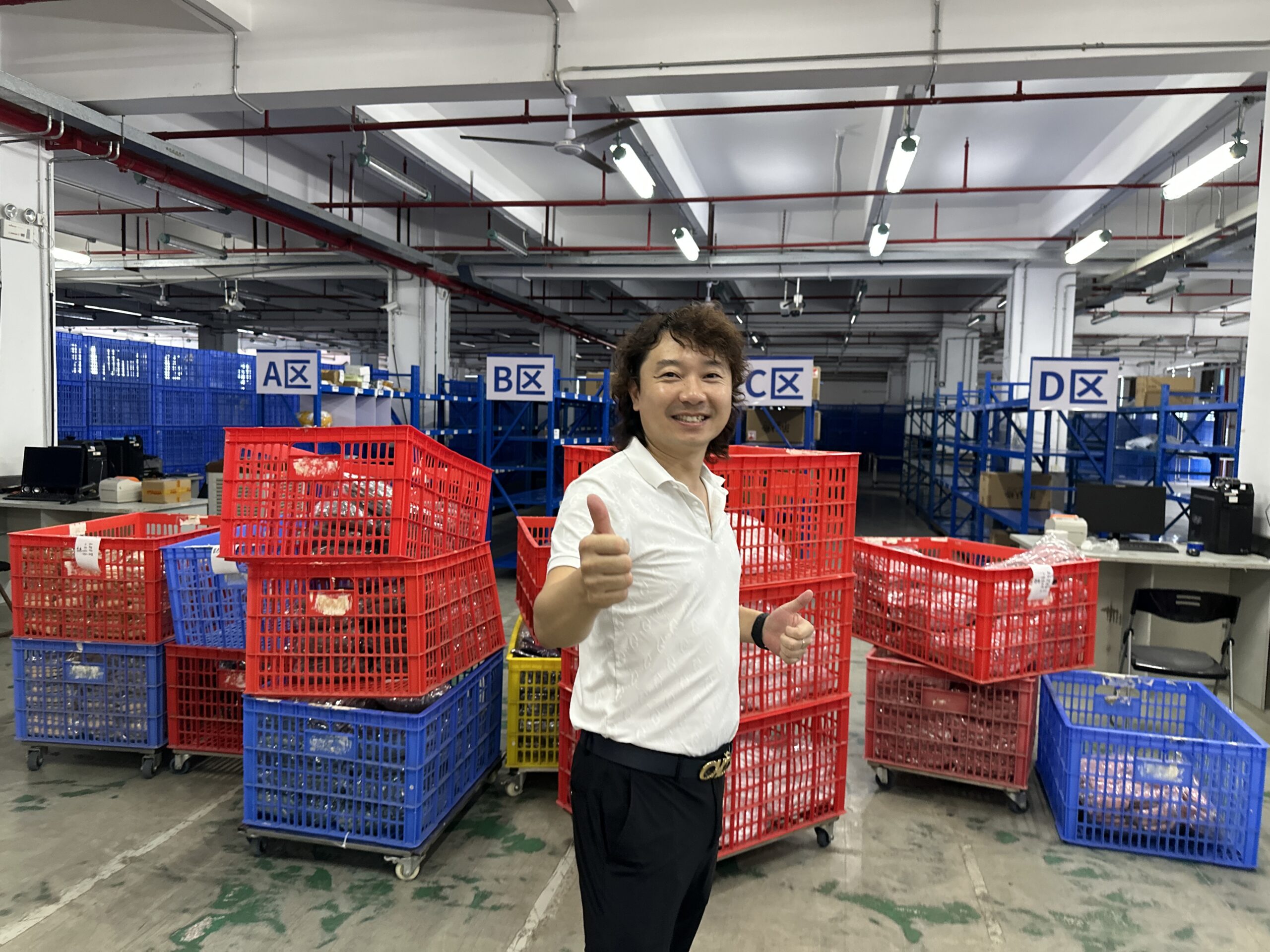
Platform model vs. dedicated agent model: the gap in QC coverage, response speed, and pricing leverage compounds with every order you process.
What CJ Actually Is (and Isn’t)
CJ is a fulfillment marketplace. You’re accessing shared infrastructure — shared suppliers, shared quality standards, shared pricing tiers. When you place an order on CJ, you’re one of thousands of requests hitting the same system.
That’s not a flaw at low volume. Zero MOQ, instant access to 1.4M+ SKUs, no setup cost — for a seller under $20K/month who’s still figuring out which products have legs, this is exactly the right infrastructure. The convenience is real and valuable.
The problem starts when you scale. Platform-wide infrastructure optimizes for breadth, not your specific store. Your 50 or 200 daily orders are a rounding error within CJ’s total throughput. No one at CJ wakes up thinking about your supply continuity.
What a Private Agent Actually Does for Your Store
When you work with a dedicated private agent, the entire operational model flips. One person — your account manager — knows your products, your quality tolerances, and your top-selling SKUs. They track your inventory velocity. When a factory runs low, they’re calling alternatives 5–7 days before the gap hits your orders.
After 8 years running operations across 4 warehouses in Shenzhen and Dongguan, I can tell you this early-warning capability is the single biggest operational difference between the two models. And it’s the hardest to quantify — until you’ve lived through your first $20,000 stockout event.
The One Thing CJ Structurally Cannot Give You
Dedicated QC on every single order. CJ uses spot-check sampling — which means a percentage of your orders ships without inspection. We have no sourced platform-wide defect rate for what that model lets through — which is not the same as saying it lets nothing through.
At ASG, every order goes through a 6-step QC process: arrival inspection, visual check, functional testing, packaging verification, label confirmation, and final review — with photos documented before anything ships. Every order. Not sampling. Every single one. The result: 0.3% defect rate.
One defective product costs 3–5× its purchase price once you factor in return shipping, replacement, and the customer trust you don’t get back. The more of your volume ships without inspection, the more of that cost you absorb every day.
| Feature |
CJ Dropshipping |
Private Agent (ASG) |
| Account management |
Shared support pool |
Dedicated account manager |
| QC model |
Spot-check sampling |
100% inspection, photo documented |
| Defect rate |
Not established — we have no sourced platform-wide defect rate |
0.3% |
| Stock alert speed |
After issue hits your orders |
5–7 days advance warning |
| Response time |
24+ hours |
Under 20 minutes |
| Factory network |
Platform supplier pool |
2,300+ verified, direct access |
| IP protection |
Shared platform data |
NDA + full supply chain isolation |
The defect rate line on the CJ side is left unfilled because we have no sourced platform-wide figure — not because platform orders arrive without defects.
2. Shipping Speed: The Numbers Side by Side
CJ Dropshipping averages 10–20 days globally via CJPacket. A dedicated private agent delivers typically 5–8 days to most markets, with US and EU express lanes hitting 4–6 days. For paid-traffic sellers, this gap isn’t just a customer satisfaction issue — every extra day in transit is another day your ad spend runs before revenue lands, directly compressing your cash flow cycle and your ability to scale ad budgets.
Shipping speed is the #1 reason sellers leave CJ. I know this because 68% of the sellers who’ve switched to ASG cited slow delivery as their primary trigger — that’s from our own 2024 client data across 386 stores. And honestly, it tracks. Once you’re running paid ads at any real volume, slow shipping stops being an inconvenience. It becomes a math problem.
CJ’s Shipping Routes: What Actually Ships in What Timeframe
CJ’s flagship shipping option is CJPacket. To the US, it typically delivers in 8–15 days. To Europe, expect 10–18 days depending on country and customs processing. There are faster options — CJ does offer express lines through DHL and FedEx — but those run $15–$40+ per package and aren’t viable for most product margins.
According to Statista’s ecommerce consumer research, 62% of online shoppers expect delivery within 5 business days. CJ’s standard shipping misses that benchmark consistently. There’s also a reliability issue — CJPacket times vary significantly based on season and carrier allocation. A route that ran 10 days in September might run 18 days in November.
Private Agent Shipping: Why the Numbers Are Consistently Better
A private agent’s speed advantage comes from two places: warehouse positioning and carrier relationships. At ASG, our 4 warehouses across Shenzhen and Dongguan sit adjacent to the main international cargo hubs for South China. Products ship on dedicated lines we’ve negotiated directly — not whatever carrier CJ’s platform allocates to your order on a given day.
Our global average is typically 5–8 days. US and EU express lanes hit 4–6 days. The 2024 median across our entire client base was 6.8 days, with a 96.8% on-time delivery rate. In our 2024 peak season, ASG processed 18,500 daily orders at peak with a 97.3% on-time rate.
One of our clients — a home goods seller in Manchester — switched from CJ in August 2023. Before the switch, her average delivery time was 12 days. After: 6 days. In the 6 months that followed, her negative review rate dropped from 8.5% to 2.3%, her repeat purchase rate jumped from 26% to 42%, and her daily order volume grew from 200 to 480. She didn’t change her products. She didn’t change her ads. She changed the fulfillment infrastructure behind them.
The Hidden Cost of Slow Shipping on Paid-Traffic Stores
Most sellers think about shipping speed as a customer satisfaction metric. It’s also a financial leverage metric — and this is the part almost nobody talks about.
Your ad pixel records a purchase — but the conversion signal is weak because the customer experience is stretched over 2+ weeks. Your ROAS calculations look thinner than they should. You throttle ad spend based on data that’s structurally distorted by fulfillment lag. The fix isn’t a better ad strategy. It’s a faster supply chain.
| Shipping Route |
CJ Dropshipping |
ASG Private Agent |
| US (standard) |
8–15 days |
5–7 days |
| EU (standard) |
10–18 days |
6–8 days |
| Australia / Canada |
12–20 days |
7–10 days |
| US / EU Express |
4–7 days (high cost) |
typically 4–6 days (standard line) |
| On-time rate (2024) |
Not published |
96.8% |
3. QC and Cost: Where the Real Money Lives
CJ Dropshipping charges $0.60–$5.00 per item in processing fees on top of product cost and shipping. At 200 daily orders averaging $1.50/item, that’s $9,000/month in handling fees alone — before a single product dollar. A private agent’s $0.50–$2.00/order all-in fee covers 100% QC inspection, custom packaging, and carrier handover with no add-ons. At ASG, our defect rate is 0.3% under 100% inspection. We have no sourced platform-wide figure to set against it, so how wide that gap runs on your orders is something you have to measure rather than look up.
Most sellers compare CJ and a private agent on product price. That’s the wrong number. Your real fulfillment cost is product + processing fees + QC failure losses + the hidden margin erosion from returns, chargebacks, and bad reviews. When you add those up, the comparison looks completely different.
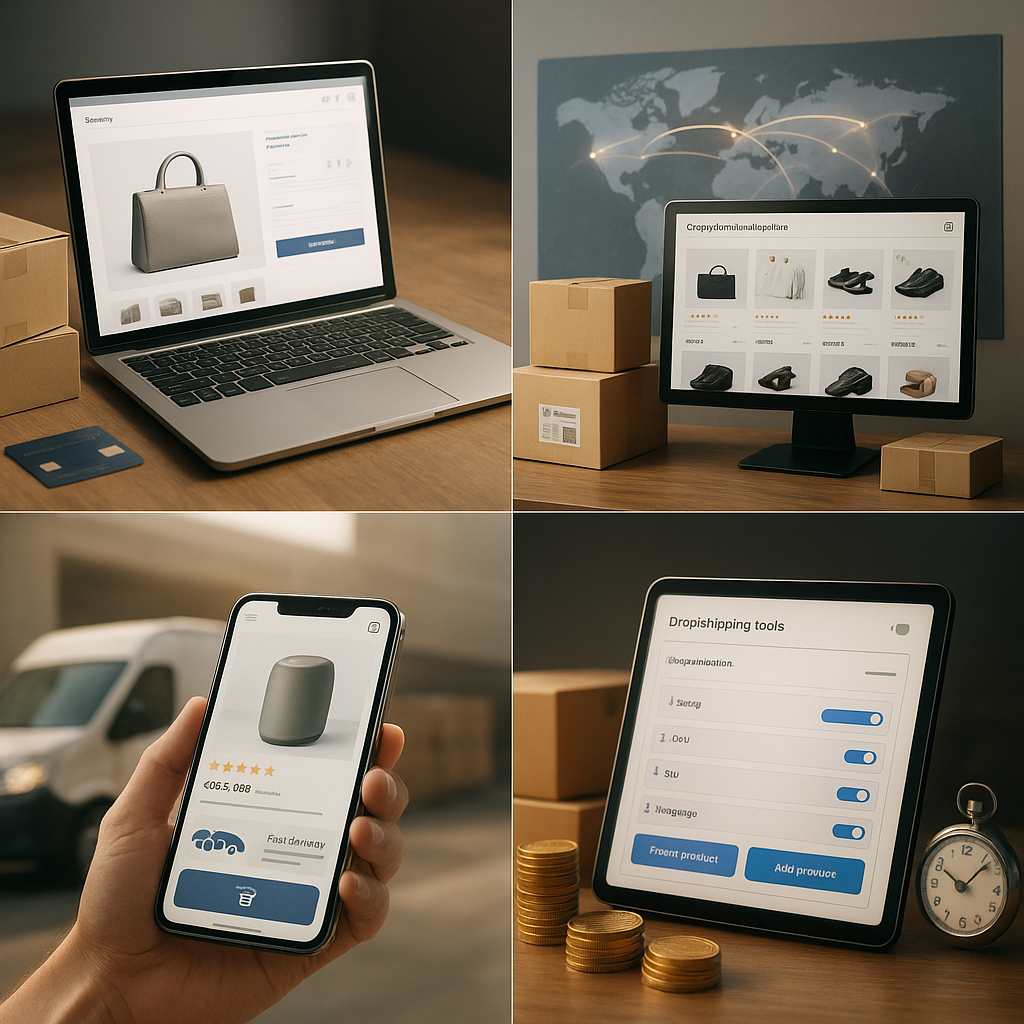
100% QC on every order — not sampling — is the operational standard that produces a 0.3% defect rate.
CJ’s Real Fee Structure (The Parts Buried in the Fine Print)
CJ charges $0.60–$5.00 per item depending on product category, order complexity, and whether additional services like custom packaging are involved. For a seller running 200 orders per day at an average processing fee of $1.50, that’s $300 per day — or roughly $9,000 per month — in CJ handling charges before you’ve paid for a single product or shipping label. See CJ Dropshipping’s official pricing page for the current fee tiers, but read the footnotes carefully.
I’ve seen sellers doing $40K/month who’d never properly mapped their CJ processing fees. When we built out the full cost model together, the number came as a genuine shock. The per-order fee sounds small. At volume, it’s not.
What Private Agent Pricing Actually Includes
A private agent’s per-order handling fee is an all-in number. At ASG, that fee covers sourcing from our 2,300+ factory network, our full 6-step QC process with photo documentation, custom packaging assembly, label printing, and handover to the carrier. No separate QC charge. No storage surprise for standard inventory. No add-on fees that appear once you scale past a volume threshold.
According to Statista’s 2024 global ecommerce returns data, the average online return rate sits at 17.6%, with poor product quality as the primary driver. Our clients typically see return rates under 2% after switching to dedicated QC. You can read more about how we structure quality control in dropshipping and why the every-order model produces fundamentally different outcomes than sampling.
The True Cost Comparison at 50, 200, and 500 Orders Per Day
| Daily Orders |
CJ Monthly Cost (handling only) |
ASG Monthly Cost (all-in handling) |
Verdict |
| 50 orders/day |
~$2,250 |
~$1,500–$3,000 |
CJ marginal edge |
| 200 orders/day |
~$9,000 |
~$9,000–$10,500 |
Dead heat — QC savings decide |
| 500 orders/day |
~$22,500 |
~$18,000–$21,000 |
Private agent wins clearly |
Each defective unit costs roughly 3–5× its product price in combined losses: original product cost, return shipping both ways, replacement product, replacement shipping, and the downstream negative review. On a $25 product, one defect costs $75–$125. Multiply that by however many defective units your current fulfillment actually lets through in a day — we have no sourced platform-wide defect rate to put in that slot, which is why the only number worth trusting here is the one you measure on your own orders. ASG’s 0.3% rate at 200 daily orders produces fewer than 1 defective unit per day.
4. The Revenue Stage Framework: Stop Asking “Which Is Better” and Ask This Instead
The right dropshipping fulfillment model depends entirely on your monthly revenue stage. Under $20K/month: use CJ — zero MOQ and no setup cost outweigh the platform’s limitations. Between $20K–$50K/month: flip the ratio — 70–80% of orders move through a private agent, 20–30% stays on CJ for testing. Above $50K/month: CJ’s platform pricing, spot-check QC, and reactive stock management create compounding margin losses. Shopify’s enterprise research shows out-of-stock events cost retailers 4.1% of annual revenue — at $50K/month, that’s $24,600/year disappearing from a single operational failure.
Nobody in this industry will give you a specific number. Everyone hedges. “It depends on your situation.” “Both have their merits.” I’m going to do the opposite — because after working with thousands of sellers across every revenue stage, the patterns are clear enough to state directly.
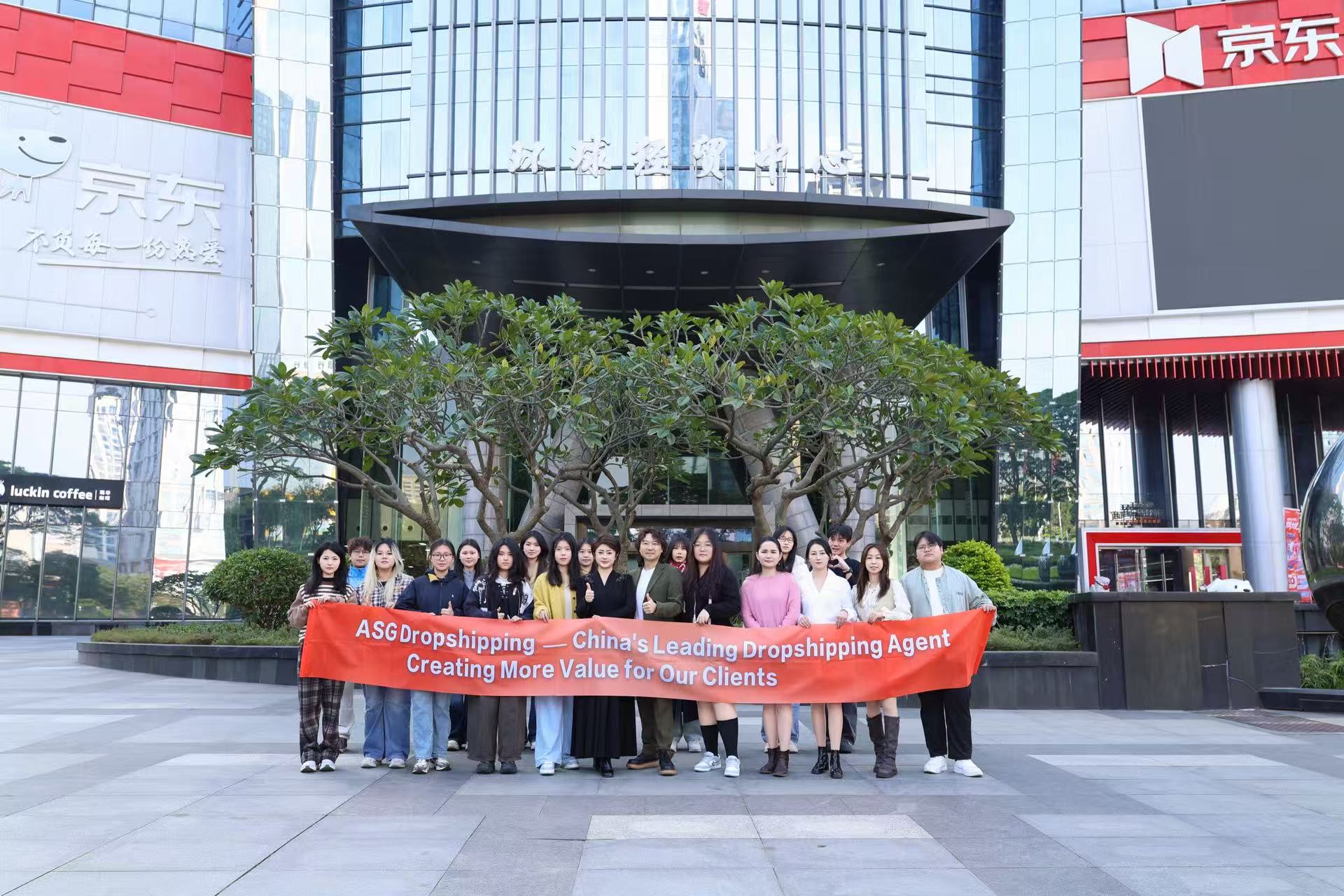
The decision isn’t about which platform is better — it’s about which infrastructure matches your current revenue stage.
✅ Stage 1: $0–$20K/Month — Stay on CJ. Here’s Why.
At this revenue level, your single biggest constraint is finding a product that actually converts — not optimizing fulfillment infrastructure. CJ solves exactly the right problem for where you are: instant access to 1.4M+ SKUs, zero MOQ, no onboarding cost, and a platform built for rapid product testing across any category.
Use CJ’s catalog aggressively. Test fast. Kill losing products in 2 weeks. Find your winner. That’s the only job at this stage. If you want a solid starting framework, our guide on how to start dropshipping walks through the product testing process in detail.
⚡ Stage 2: $20K–$50K/Month — Flip the Ratio.
This is the most important stage in your entire dropshipping career. The move here isn’t to keep the majority on CJ — it’s to flip the ratio. Once you cross $20K/month, 70–80% of your total order volume should be moving through a private agent. CJ stays active, but in a supporting role: new SKU testing, low-volume experiments, catalog exploration.
Everything that’s proven — products doing 30+ consistent daily orders — moves to your private agent immediately. Think of it this way: at $20K/month you’ve already found at least one product that works. That product deserves dedicated QC, dedicated supply continuity, and factory-direct pricing. Leaving your best-performing SKUs on CJ at this stage is leaving money on the table every single day.
At this revenue level you also hit a critical quality tipping point. When you’re doing $35K/month, a 5% return rate from QC failures isn’t an annoyance — it’s $1,750/month walking out the door before you see it. In our Dongguan and Shenzhen warehouse operations, sellers who move their top 3 SKUs to dedicated private agent fulfillment at the $25K–$35K/month stage see an average 60% reduction in quality-related returns within 90 days.
🔴 Stage 3: $50K+/Month — Why CJ Can’t Scale With You.
At $50K+ monthly revenue you’re running 300–600 orders per day. Three structural problems emerge that you can’t work around on a platform model.
First, pricing leverage disappears. CJ’s prices are platform-wide. You buy at the same tier as every other seller regardless of your volume. A private agent with 2,300+ direct factory relationships can source your top SKUs at 12–18% lower COGS. On $50K/month in product cost, 15% lower COGS is $7,500/month back in your pocket.
Second, stockouts become catastrophic. According to Shopify’s enterprise out-of-stock research, stockout events cost retailers an average of 4.1% of total annual revenue. At $50K/month, that’s $24,600/year — not including the ad spend you burn during the downtime.
Third, brand differentiation becomes impossible. Your competitors are sourcing the same products from the same CJ suppliers. The only path to defensible margin is product differentiation through private labeling, custom packaging, and supply chain exclusivity — all of which require a private agent who executes your specific standards on every order.
Case Study: Jack’s Massage Gun Business — From $38K to $67K on the Same Ad Spend
Jack runs a Shopify store selling percussion massage guns — a competitive niche with serious Q4 seasonality. By late 2023 he was doing around $38,000/month through CJ, with one hero product at $79 retail accounting for nearly 60% of total revenue.
In November 2023 — peak Q4 demand — his primary CJ supplier ran out of stock on that exact model. CJ notified him 18 hours after the stockout hit. By then he’d burned $900 in Facebook ad spend on traffic going to an out-of-stock page. The replacement supplier CJ found had an 11-day restocking lead time. His best campaign’s ROAS collapsed from 3.2x to 0.8x during the dead window. It took 3 full weeks of reduced-efficiency spend to recover algorithm momentum after inventory returned.
Total damage from that single November stockout: $22,000 in missed Q4 revenue plus $4,200 in wasted ad spend.
He reached out to ASG in January 2024. Here’s exactly what changed:
- Supply continuity: We identified 4 alternative massage gun factories within his quality and price parameters — all within our existing 2,300+ factory network. We now maintain a 10-day buffer stock in our Dongguan warehouse calibrated to his Q4 velocity, monitored weekly by his dedicated account manager. He has not had a stockout event since.
- QC upgrade: His return rate dropped from 7.3% to 1.8% within 60 days of switching to our 6-step QC process. Our QC team was catching motor assembly defects and battery cell issues that CJ’s spot-check sampling consistently missed. At $79 retail, each avoided return saved roughly $158 in combined costs.
- Cost restructuring: Our per-unit COGS came in 15% lower than his CJ cost at his volume, because we source directly from the factory tier rather than through CJ’s intermediary supplier layer.
By Q2 2024, Jack’s store was doing $67,000/month — a 76% revenue increase on the same ad spend. Not from better creatives. Not from new products. From a supply chain that stopped leaking money.
5. How to Run Both at Once: The Hybrid Playbook
The most effective fulfillment strategy for sellers doing $20K–$100K/month isn’t choosing between CJ and a private agent — it’s running both with explicit rules about which products belong where. Route 70–80% of your total order volume through a private agent for proven SKUs. Keep 20–30% on CJ for new product testing. The graduation trigger — when a product moves from CJ to private agent production — is 30+ consistent daily orders held for 14 consecutive days. Migration protocol: 30% of live orders in week 3, 70% in week 4, full steady-state split after clean performance data.
The sellers I’ve seen scale fastest aren’t the ones who made a clean break from CJ. They’re the ones who built a deliberate two-track system — and ran it with discipline. Here’s the full playbook.
Two tracks, clear rules: CJ as your R&D lab, private agent as your production line. The discipline is in knowing which products belong where.
Which Products Stay on CJ, Which Move to Private
CJ is your R&D lab. Zero onboarding cost, instant catalog access, no long-term commitment. Every new product you want to validate goes on CJ. Run traffic. If it doesn’t convert in 2 weeks, kill it. If it does, start the graduation clock.
Your private agent is your production line. Products with proven, consistent demand belong here. You get factory-direct pricing at 12–18% lower COGS, 100% QC on every order, custom brand packaging, and proactive supply continuity management. Once you cross $20K/month, this split should be heavily weighted toward your private agent — 70–80% of total order volume running through dedicated private agent fulfillment.
From our data across 5,000+ client stores, sellers who implement this structure see an average 23% improvement in gross margin within the first quarter. That comes from three places simultaneously: lower COGS on scaled SKUs, dramatically fewer returns, and eliminated stockout losses on winning products.
The Graduation Rule: When a Product Earns the Switch
Move a product to your private agent when:
- It’s generating 30+ orders per day consistently for 14+ consecutive days — enough data to confirm real, sustained demand
- Your CJ defect rate on it exceeds 2% — anything above that is actively damaging your review profile
- You want to add custom packaging, branded inserts, or a thank-you card
- You’ve identified supply continuity risk — seasonal demand spikes or single-factory dependency
Keep it on CJ when:
- Under 30 daily orders with fewer than 2 weeks of consistent data
- You’re not confident about long-term demand
- The product is a pure experiment with no brand investment behind it
The 4-Week Zero-Disruption Migration Protocol
- Week 1 — Sourcing verification: Submit your top 3–5 revenue SKUs to your private agent for sourcing. Don’t move any live volume yet. Validate pricing, factory access, and communication speed.
- Week 2 — The 50-piece test order: Place a 50-piece test order per SKU. Set QC criteria in writing before the order is placed. If QC photos covering all inspection stages don’t arrive within 72 hours — walk away, no exceptions.
- Week 3 — Parallel run: Route 30% of live orders to the private agent. Compare shipping times, QC photo quality, tracking speed, and account manager responsiveness side by side using real customer orders.
- Week 4 — Data-driven cutover: If Week 3 is clean — sub-8-day shipping, QC documentation on every order, zero errors — shift to 70% private agent, 30% CJ. Hold for one more week. If clean, move to steady state: 70–80% private agent, 20–30% CJ for testing permanently.
For a broader look at vetting your options before committing, our breakdown of the best dropshipping suppliers from China covers the evaluation criteria in detail.
Red Flags That Mean Your Private Agent Isn’t Ready
No dedicated account manager — you’re emailing a shared inbox. No one owns your account or monitors your supply risks.
“QC is managed by the supplier” — that’s not QC. That’s the supplier checking their own work. Your agent needs an in-house QC team.
Can’t name the factory sourcing your product — they’re brokering through intermediaries. Extra margin layer, less transparency.
Response time over 2 hours on a test order — if they’re slow when you’re a prospective client, scale that to when you’re established with an urgent problem.
No written SLA on processing time — verbal commitments dissolve under pressure. According to
McKinsey’s supply chain resilience research, businesses with written supplier SLAs recover from disruptions 2.4× faster than those without.
Ready to build a hybrid system that actually runs at scale? ASG handles the private agent side — 200-person team, 4 warehouses, 2,300+ factories, 20-minute response time.
Start the conversation here.
6. The Full Comparison: Every Metric That Actually Matters
CJ Dropshipping wins on catalog breadth, zero setup cost, and low-barrier access — making it the right choice for sellers under $20K/month who are still validating products. A private dropshipping agent wins on QC coverage (100% inspection on every order, a documented 0.3% defect rate), shipping speed (typically 5–8 days vs. 10–20 days), pricing leverage (12–18% lower COGS at volume), supply continuity, and IP protection. The decision isn’t about which platform is objectively better — it’s about which infrastructure matches your current revenue stage.
Here’s everything side by side. No hedging. If a metric favors CJ, I’ve said so. If it favors a private agent, I’ve said that too.
| Metric |
CJ Dropshipping |
Private Agent (ASG) |
Winner |
| Setup cost |
$0 |
Onboarding time |
CJ |
| MOQ |
1 unit |
1 unit |
Tie |
| Catalog size |
1.4M+ SKUs |
Sourced on demand |
CJ |
| QC model |
Spot-check sampling |
100% every order, photo documented |
Private agent |
| Defect rate |
Not established — we have no sourced platform-wide figure |
0.3% |
Not comparable |
| Global shipping |
10–20 days |
typically 5–8 days |
Private agent |
| US / EU express |
8–15 days |
typically 4–6 days |
Private agent |
| Processing fee |
$0.60–$5.00/item |
$0.50–$2.00/order (all-in) |
Private agent |
| COGS at volume |
Platform pricing |
12–18% lower (factory direct) |
Private agent |
| Account manager |
Shared pool |
Dedicated, 1 person |
Private agent |
| Response time |
24+ hours |
Under 20 minutes |
Private agent |
| Stock monitoring |
Reactive (after issue hits) |
Proactive (5–7 days ahead) |
Private agent |
| IP protection |
Shared platform data |
NDA + full supply chain isolation |
Private agent |
| Brand packaging |
Available (extra cost) |
Included for brand clients |
Private agent |
| Best revenue stage |
Under $20K/month |
$20K+/month |
Depends on stage |
The defect rate row carries no verdict because the CJ side of it is unknown to us — we have no sourced platform-wide defect rate, which is not the same thing as saying platform orders arrive without defects.
The pattern in that table is clear. CJ wins on access and simplicity — exactly what matters when you’re starting out and testing products. Private agents win on the operational metrics that drive long-term margin — exactly what matters once you’ve found something worth scaling. According to Statista’s global ecommerce benchmarks, fulfillment speed and product quality are the top two drivers of repeat purchase rate across all ecommerce categories — both improve dramatically when scaled products move to dedicated private agent fulfillment.
Final Thoughts
CJ Dropshipping isn’t a bad platform. It’s the right tool used at the wrong stage of business if you’re still running everything through it at $50K/month.
The framework is simple: test on CJ, scale with a private agent, run both in parallel once you know which products have real legs. Keep CJ as your R&D lab — permanently. Move your proven winners to dedicated private agent fulfillment where they get the QC, the pricing, and the supply continuity they deserve. Above $20K/month, that split should be 70–80% private agent from the start — not a gradual experiment.
The question was never “which one is better.” It was always “which one is right for where I am right now.” Now you have a specific answer with specific revenue numbers attached to it.
Pick your stage. Make the move. The math will follow.
FAQs
Is CJ Dropshipping actually a private agent?
No. CJ Dropshipping is a marketplace-model fulfillment platform, not a dedicated private agent. When you use CJ, you’re accessing a shared supplier pool alongside tens of thousands of other sellers — with no dedicated account manager for your store, no factory-direct sourcing negotiations, and spot-check QC running at platform-wide scale rather than to your specifications. A true private agent assigns you one dedicated account manager, sources from a vetted factory network, and executes 100% QC inspection on every order with photo documentation. CJ does assign contact persons, but those contacts manage dozens of accounts simultaneously — they’re not monitoring your supply chain.
When should I switch from CJ to a private agent?
The optimal switch point is $20K/month in revenue — and once you cross that threshold, 70–80% of your order volume should be moving through a private agent, not the other way around. Below $20K, CJ’s zero-barrier infrastructure outweighs the advantages. Above $20K, your proven products deserve dedicated QC, factory-direct pricing, and supply continuity management. The specific product-level trigger: 30+ consistent daily orders held for 14+ consecutive days. For more on how shipping from China changes fundamentally with dedicated private agent fulfillment, that guide covers the logistics side in detail.
How much does a private dropshipping agent charge?
Most China-based private agents charge $0.50–$2.00 per order in handling fees, plus actual shipping costs. That all-in fee covers sourcing, 100% QC inspection with photo documentation, custom packaging assembly, label printing, and handover to the carrier — no separate line items. At ASG, there’s no subscription fee and no storage surprise for standard inventory. The total landed cost typically matches or beats CJ at 150–200 daily orders once you factor in QC-related return savings. At 500+ daily orders, the private agent economics are clearly superior across every cost category.
What is the difference between CJ Dropshipping and a sourcing agent?
CJ Dropshipping is a platform where you select products from an existing catalog at platform-wide pricing — you’re limited to what’s already listed, and pricing is non-negotiable regardless of your volume. A China sourcing agent finds products from any factory based on your exact specifications, negotiates pricing directly at the factory tier, manages QC to your standards on every order, and handles fulfillment as a dedicated partner for your store specifically. Sourcing agents offer more product flexibility, meaningfully better pricing at volume through direct factory access, and tighter quality control because they’re accountable to you — not to a platform optimizing across thousands of sellers simultaneously.
Can I use CJ and a private agent at the same time?
Yes — and once you cross $20K/month, running both simultaneously is exactly the right strategy. The split I recommend: 70–80% of your total order volume through a private agent for proven SKUs, 20–30% on CJ for new product testing and catalog discovery. Use CJ as your permanent R&D lab — zero commitment, instant access, fast validation cycles. Move products to your private agent the moment they hit the graduation threshold: 30+ consistent daily orders for 14+ days. The two platforms serve fundamentally different functions within the same operation, and the sellers who treat them that way see the best long-term outcomes.
How do I find a reliable private dropshipping agent?
Start with a 50-piece test order before committing any live volume. A reliable private agent delivers QC photo documentation within 72 hours covering all inspection stages — arrival check, visual inspection, functional test, packaging verification, label confirmation, and final review. They assign you a dedicated account manager (not a shared inbox), can name the specific factory sourcing your product, and respond to questions within 20 minutes during business hours. The non-negotiable red flags: QC “managed by the supplier,” response times over 2 hours on a test order, inability to name your factory, and no written processing-time SLA. Our full breakdown of the best dropshipping suppliers from China covers the vetting framework in detail.
Is CJ Dropshipping good for beginners?
Yes — CJ is genuinely well-suited for sellers under $20K/month. Zero MOQ, no setup costs, a 1.4M+ SKU catalog, and reasonable English-language support make it the lowest-friction entry point for new sellers testing products and learning how fulfillment operations work. The limitations become material at volume: spot-check QC instead of inspection on every order, reactive stock management that flags issues after they’ve already hit your orders, and platform-wide pricing with no negotiation leverage. Start on CJ, find your winning product, and revisit your fulfillment infrastructure when you’re consistently above $20K/month.
What happens to my IP when I use a private agent?
CJ Dropshipping’s platform infrastructure is shared — your bestselling product data, supplier relationships, and sales velocity patterns exist within a platform that serves tens of thousands of other sellers. The risk of supply chain exposure is real. A reputable private agent operates with full isolation. At ASG, client IP protection includes written NDA agreements for VIP accounts, neutral packaging that conceals your supply chain source, brand packaging options that route all customer attention to your brand rather than any manufacturer, and complete information barriers between clients. Your supplier relationships, sourcing paths, and sales velocity data are never visible to other sellers — we’re not a marketplace.
About the Author — Janson, CEO of ASG Dropshipping
I’m the Founder and CEO of ASG Dropshipping — a China-based fulfillment agent with a 200-person team, 4 warehouses in Shenzhen and Dongguan, and 2,300+ verified factory partners. I’ve spent 8 years building supply chains for 5,000+ global ecommerce sellers, processing 5M+ orders across 200+ countries. I also lecture on cross-border ecommerce at three universities in China. Questions about your supply chain setup? Reach me at janson@asgdropshipping.com.